| | More fire between Iran and Israel tests the ceasefire and the Trump-Netanyahu relationship, Ukraine ͏ ͏ ͏ ͏ ͏ ͏ |
| |  | Flagship |  |
| |
|
The World Today | 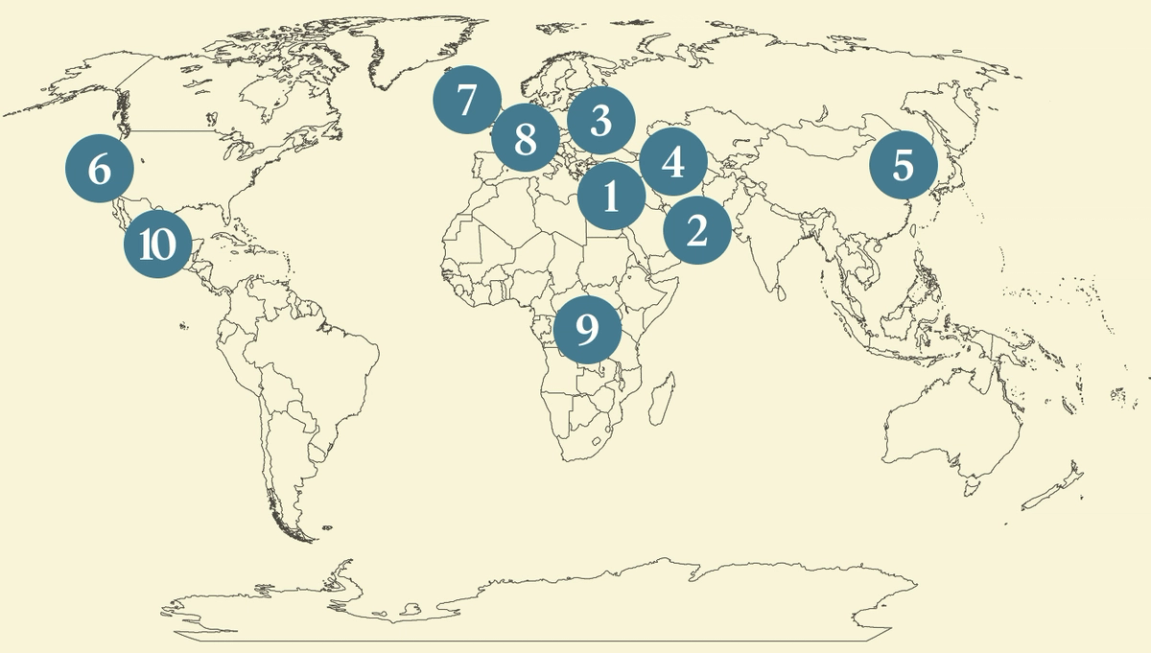 - Iran, Israel exchange fire
- Airlines’ jet fuel crisis
- Ukraine’s growing ambition
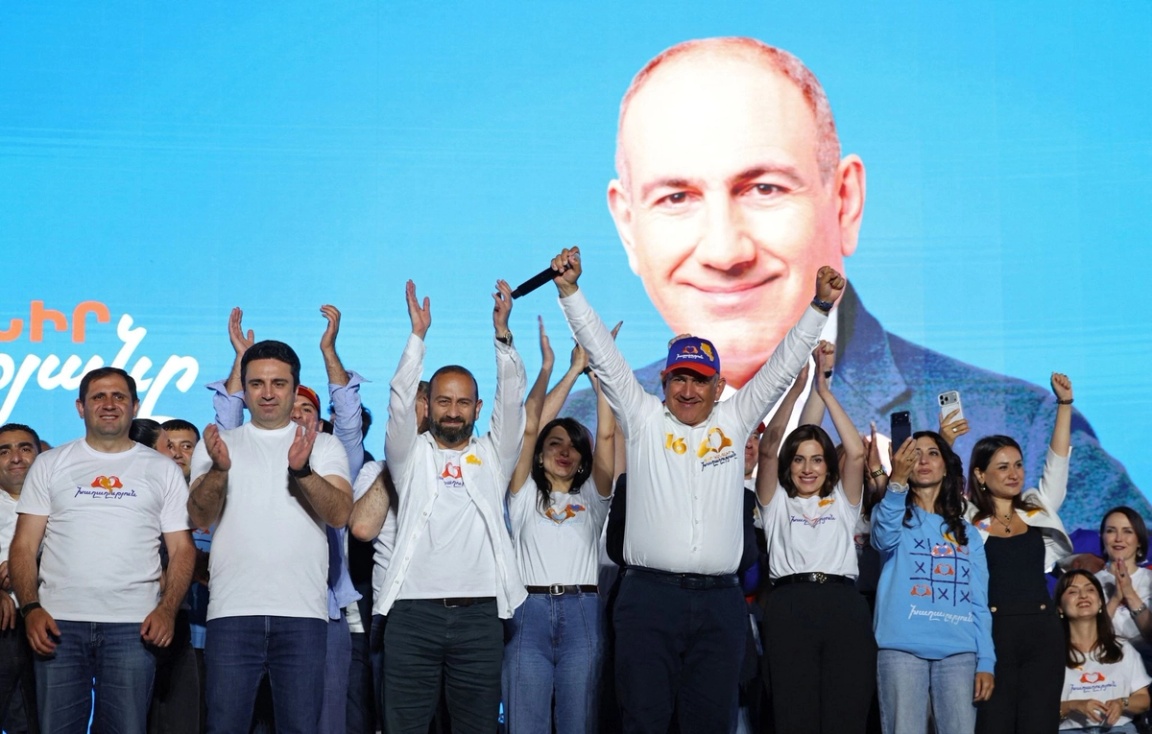
- Pro-EU victory in Armenia
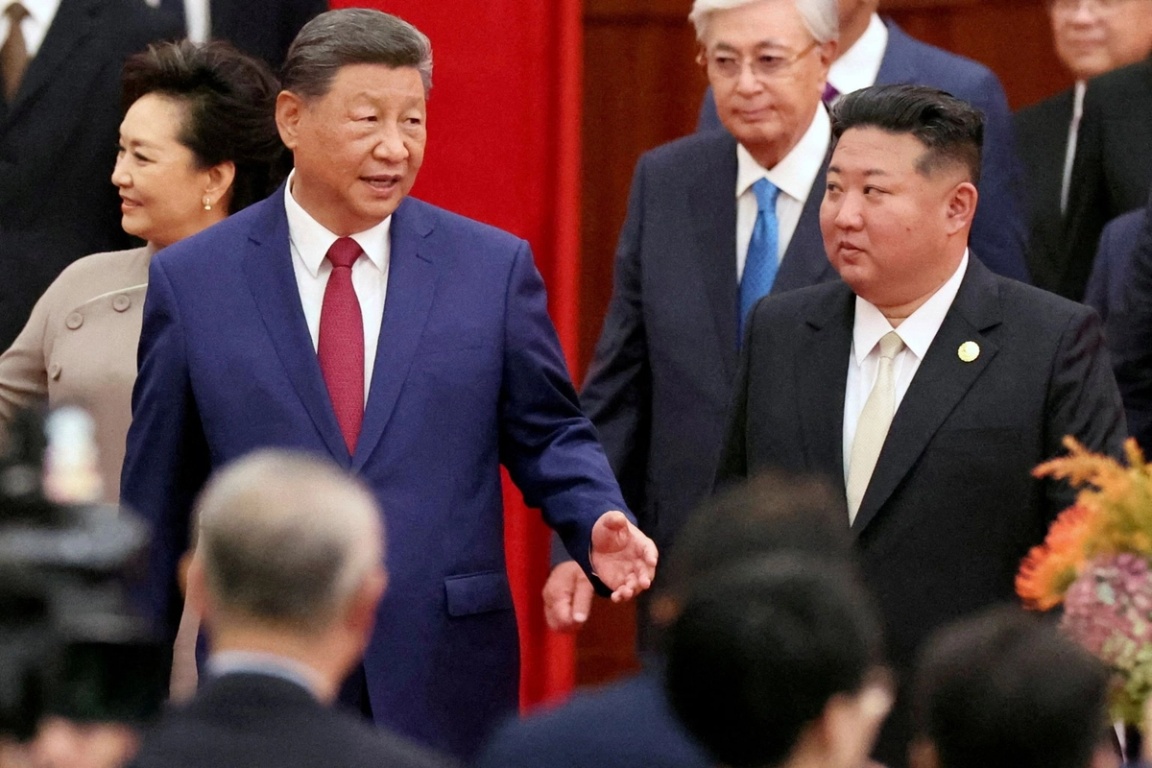
- Xi looks to win over Kim
- AI’s double-edged sword
- Data center backlash
- The era of ‘hyperpolitics’
- New fund to fight Ebola
- Iran’s World Cup challenge
 The London Review of Substacks, and a book following in the footsteps of a great American wanderer. |
|
Mideast strikes test ceasefire |
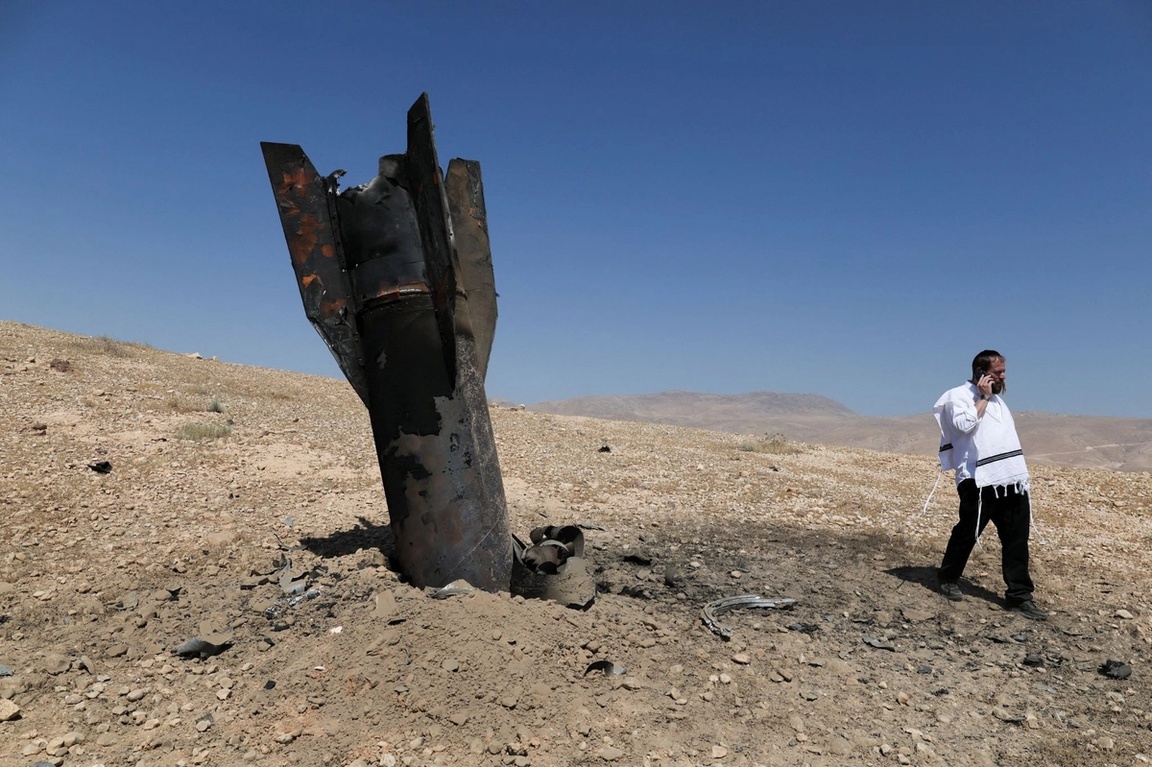 Ammar Awad/Reuters Ammar Awad/ReutersIran and Israel exchanged their most intense strikes in months, further straining an already shaky ceasefire as well as the US-Israeli relationship. Oil prices jumped 5% and stocks fell on the news. US President Donald Trump had been trying to lower the temperature, telling the Financial Times that Israeli Prime Minister Benjamin Netanyahu would ultimately accept a Washington-Tehran truce. Netanyahu’s apparent refusal underlines tension between the allies: US intelligence is concerned about Israeli spying on American officials, The Wall Street Journal reported. Israel is also increasingly isolated elsewhere. Public opinion towards it has sharply worsened in the last year, with majorities in most countries polled having unfavorable views towards it, and confidence in Netanyahu has plummeted. |
|
Iran war fuel impacts grow |
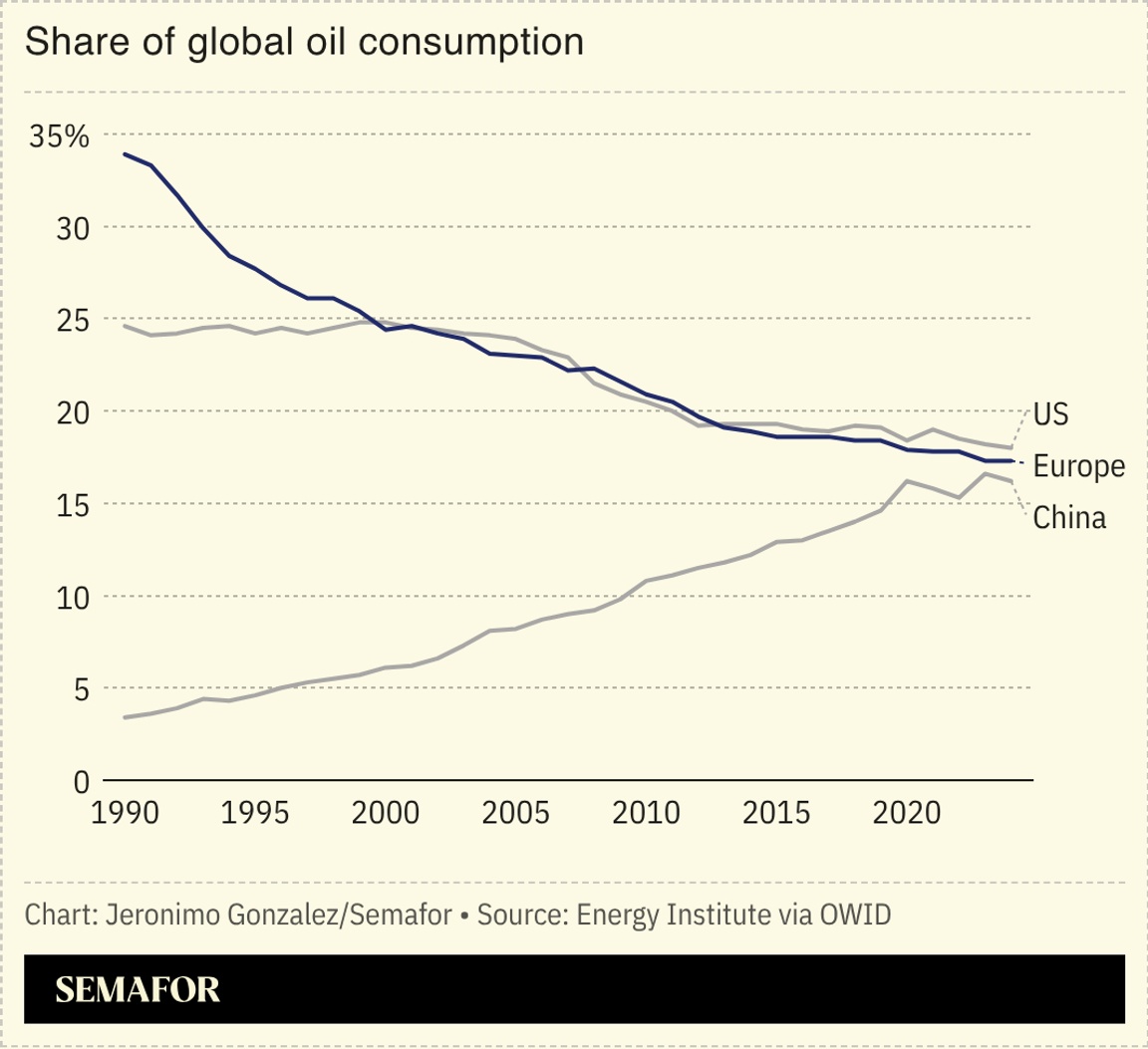 Europeans are driving less and the airline industry is facing a $100 billion fuel hit as the Iran war’s energy impacts expand. Eurozone petrol sales fell 3.5% year-on-year in April, the first drop in almost two years; the UK saw even greater declines. Airlines, meanwhile, warned that margins and profits will halve this year, with the sector especially vulnerable because aircraft makers are behind on deliveries, meaning firms are relying on older, more fuel-hungry planes. British Airways said that air fares will likely rise again if fuel prices stay high, while an industry body noted that global profits per passenger were down to $4.50 and said that some airlines will likely follow the budget carrier Spirit Airlines out of business. |
|
Ukraine’s growing ambitions |
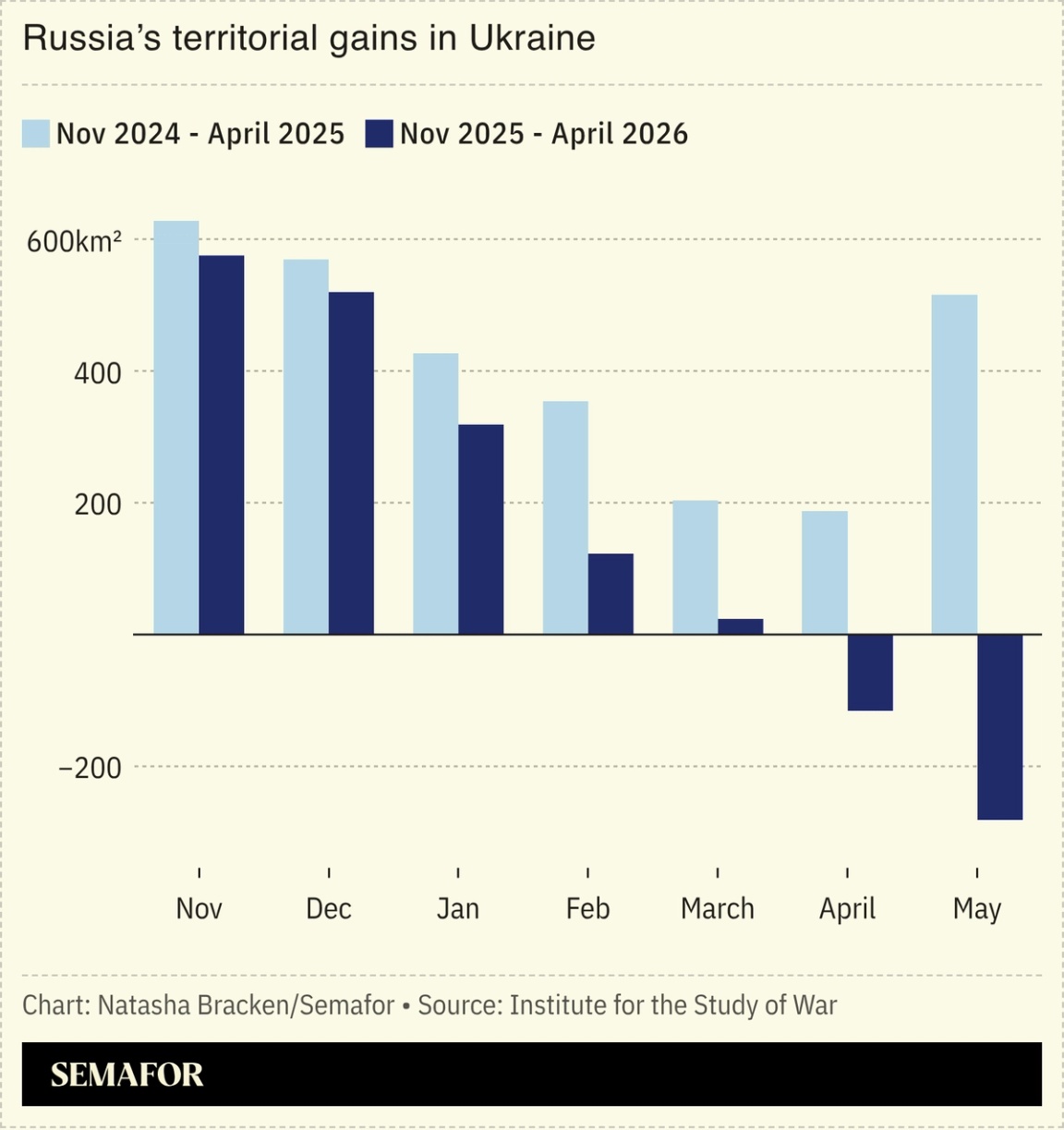 Ukrainian drones struck St Petersburg for the second time in a week, a showcase of Kyiv’s growing confidence and capabilities. Kyiv’s attacks are getting more precise — thanks to the real-time use of commercial satellite imagery, The Wall Street Journal reported — and more ambitious in scope. Ukraine may soon have more backing. Its biggest European allies this weekend set out conditions for peace with Moscow, which had rejected Ukraine’s earlier call for a truce, while NATO countries are weighing a €70 billion military aid package. With US support all but halting, European countries have stepped up, allocating €2 billion a month in the first four months of this year. |
|
AI’s business opportunities |
 Dado Ruvic/Illustration/Reuters Dado Ruvic/Illustration/ReutersAI may be limiting early-career job opportunities, but it is also driving innovation and entrepreneurship, analysts argued. Apollo’s chief economist noted that the number of solo-founder startups formed has skyrocketed since 2023, suggesting that AI tools are “making it dramatically easier for individuals to launch businesses.” Young people in China, meanwhile, are fighting over a relatively small number of jobs, The Wire China noted, but the owners of small businesses are able to expand their offering by using AI tools to do what would once have required large teams. Even apparently non-technological industries such as farming are changing: Driverless tractors, crop-monitoring drones, and precision laser weeders are among the AI systems boosting yields, The New York Times reported. |
|
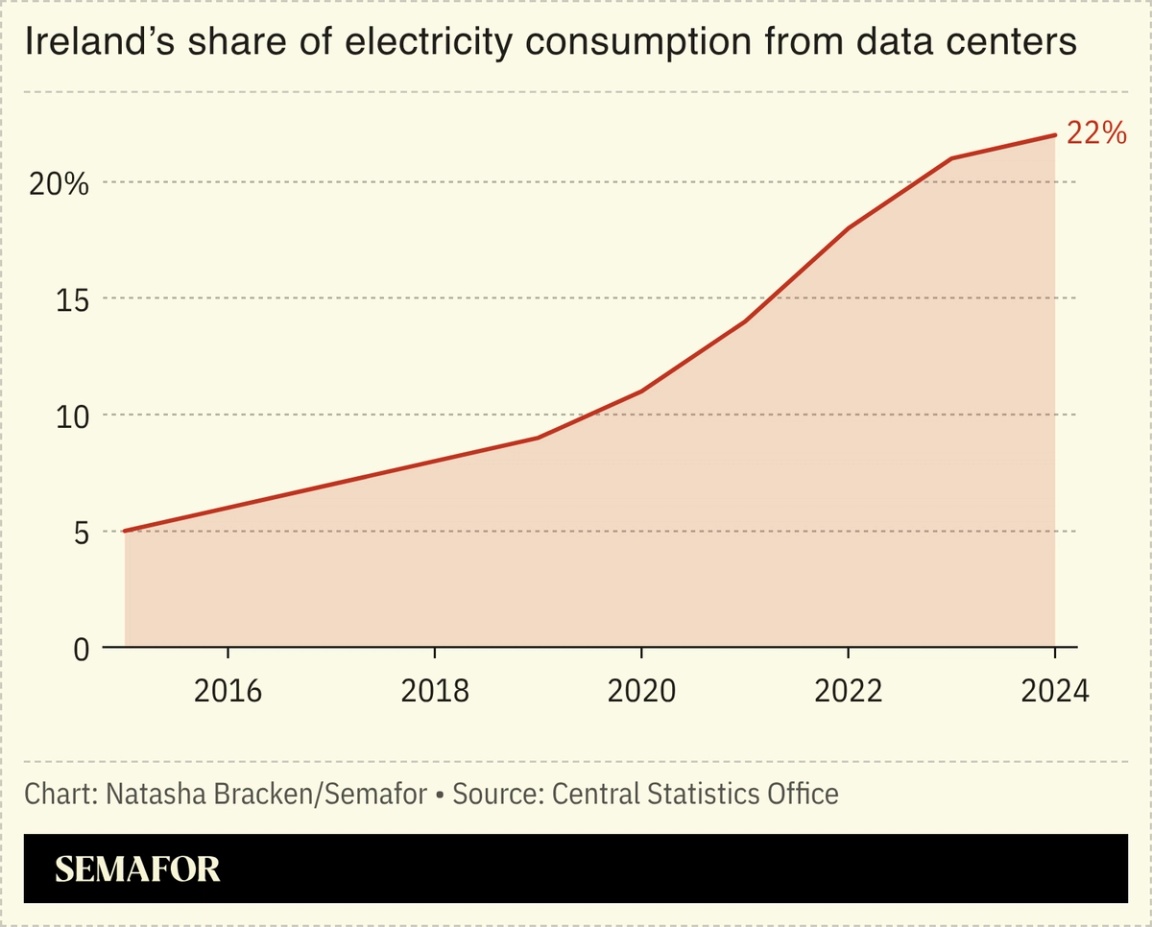
Data center backlash grows |
|
The West’s age of ‘hyperpolitics’ |
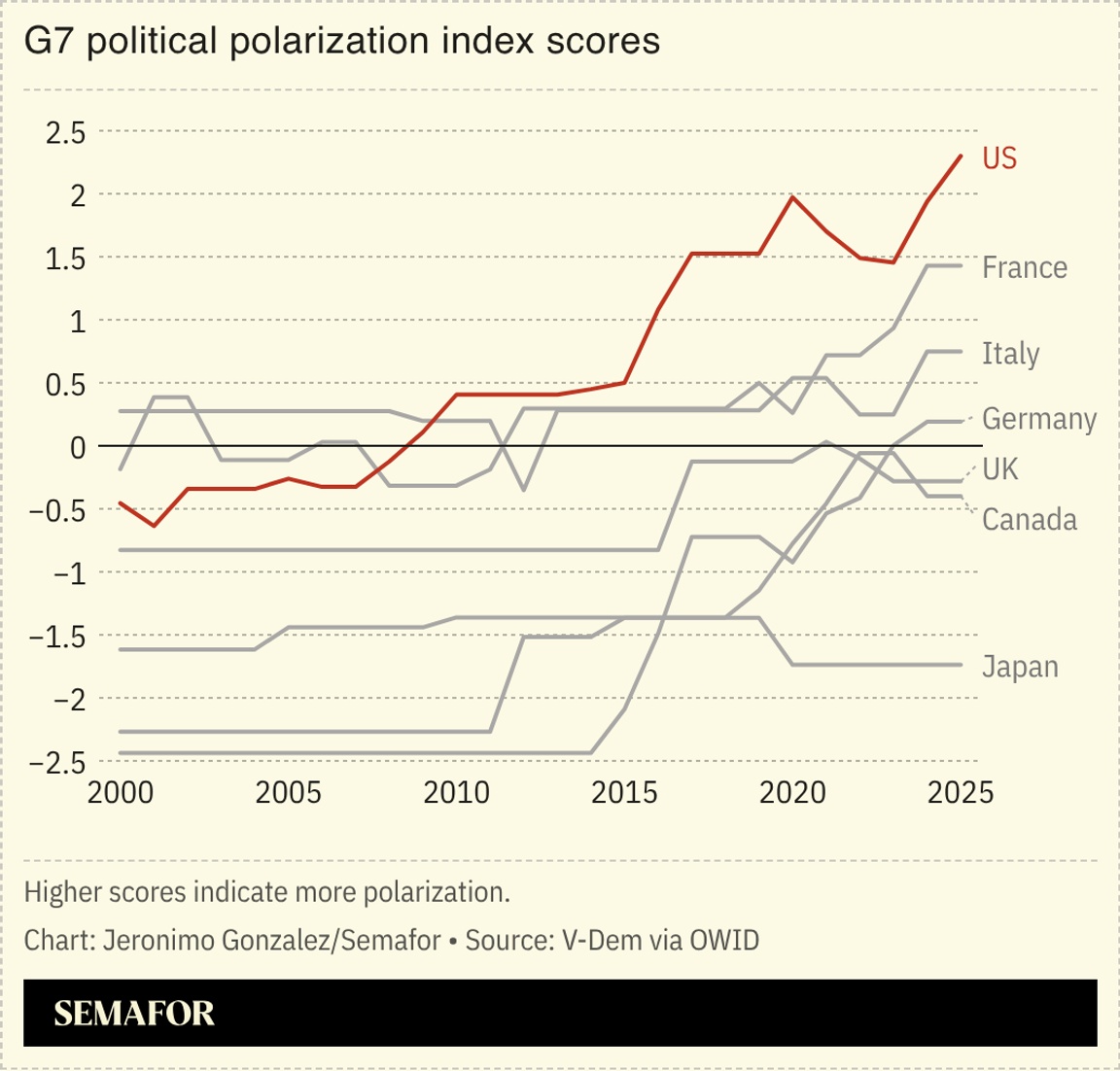 The West is in an age of “hyperpolitics” in which polarization has surged but institutions are incapable of delivering change, a leading researcher argued. Unlike in prior periods of political tension, the Oxford academic Anton Jäger said, people today are able to easily get involved in debates thanks to social media, but do not do so via a party, union, or other group: They “politicize without institutionalizing,” Jäger noted on the European Council on Foreign Relations podcast. That has resulted in a “mania” in contemporary politics in which voters’ demands are ever-easier to express, but because of a lack of durable support or attention, parties and leaders cannot enact long-term change, resulting in a “perfect recipe for frustration.” |
|
WHO readies $500M Ebola fight |
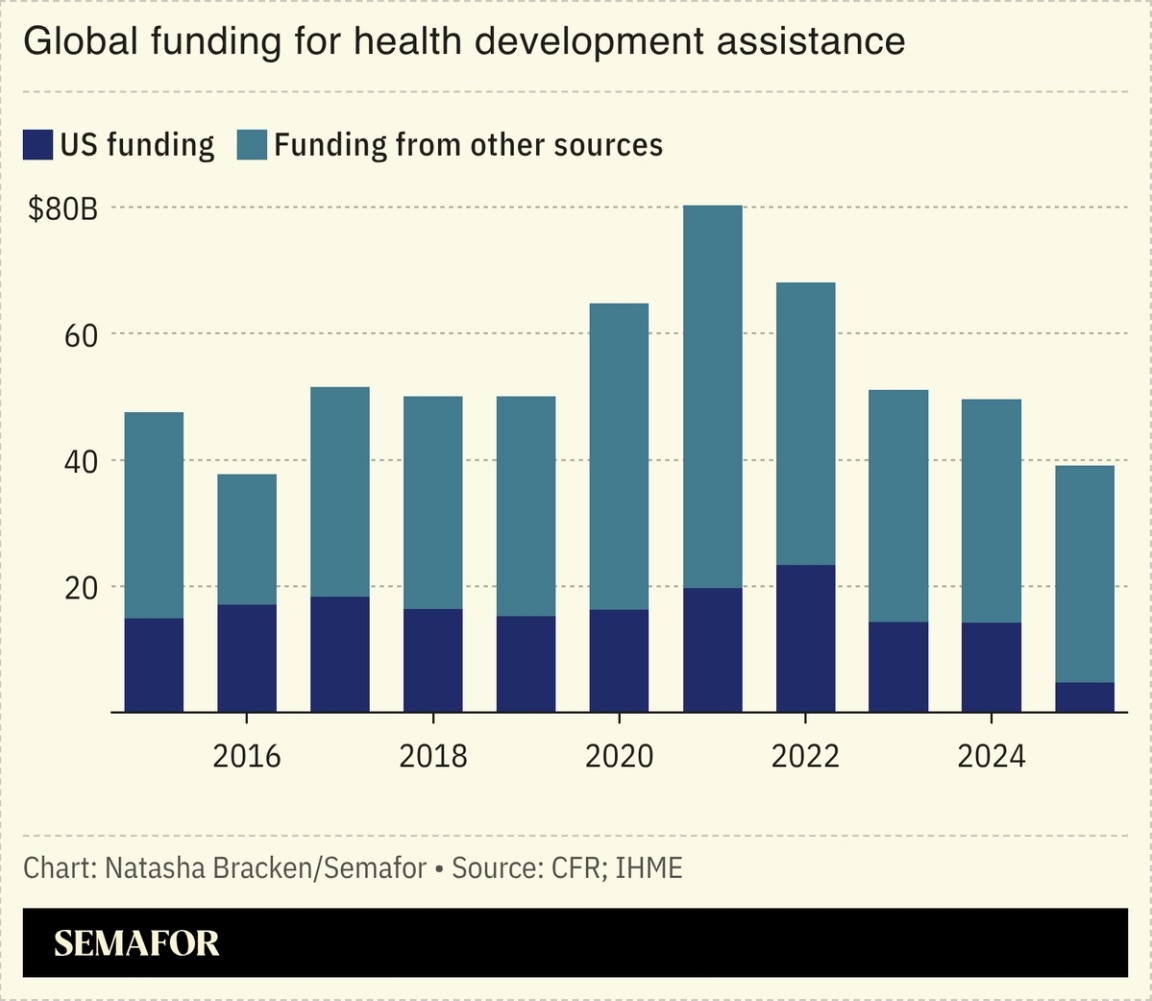 The World Health Organization launched a $500 million plan to curb the spread of Ebola in Africa, though questions remained over its capacity to secure the financing. The campaign came with confirmed cases in the Democratic Republic of Congo topping 500; officials there have struggled to trace exposed contacts and to keep patients in care facilities. Misinformation and roiling regional conflicts have compounded the challenge for authorities, with rangers from the Virunga National Park, Africa’s oldest, being recruited to fight the disease too. Meanwhile modelling from the US Centers for Disease Control and Prevention showed the spread on a “dangerous trajectory” which could make it the worst Ebola outbreak on record. |
|
Iran’s World Cup challenge |
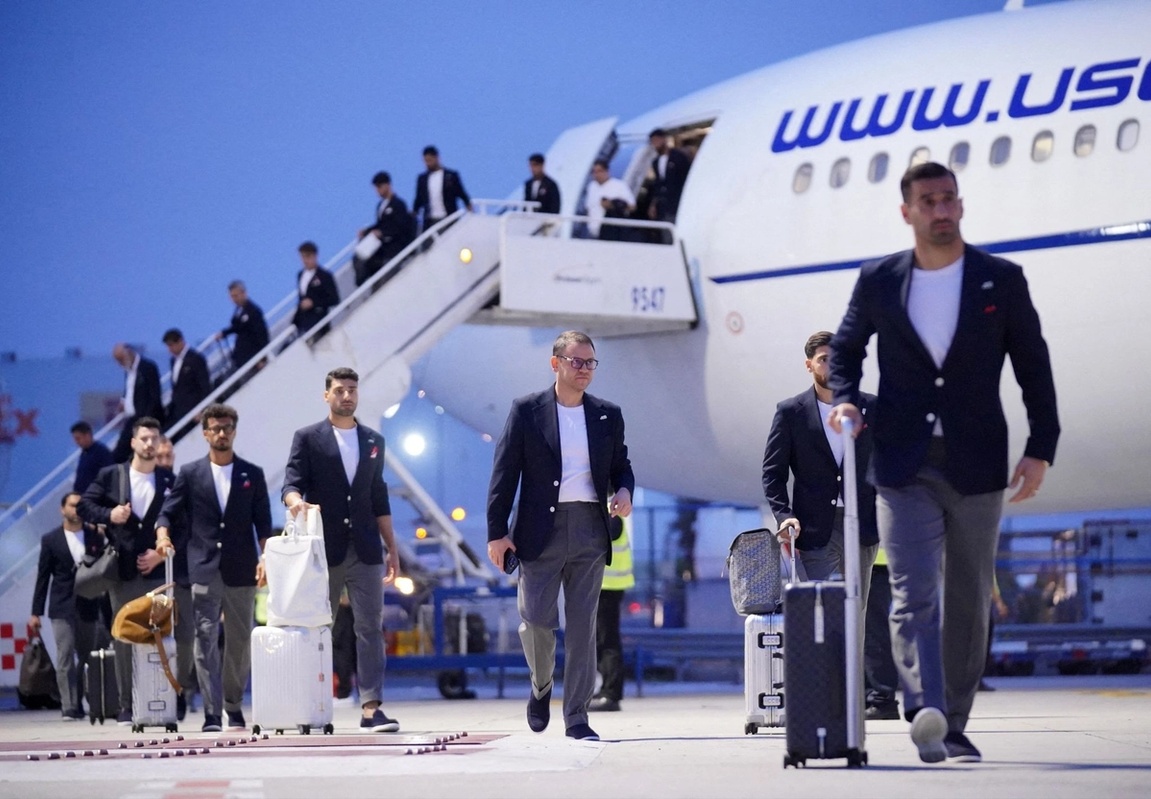 Victor Medina/Reuters Victor Medina/ReutersIran’s soccer team finally arrived in Mexico, where it will be based for the men’s World Cup despite playing group matches in the US. When Iran makes its debut in Los Angeles, it’ll mark the first time in tournament history that a host nation will be receiving a country it is at war with. The visitors face huge challenges: Support staff were reportedly denied visas, and the team must apparently arrive and depart from the US the same day. The restrictions set “a dangerous precedent for politicizing the global sport,” the geopolitics analyst Bobby Ghosh wrote in Foreign Policy, and have created a “lose-lose” for Iran’s athletes, who “are just there to play soccer,” an Iran expert told Reuters. |
|
 - The UN nuclear watchdog’s 35-nation board of governors holds a quarterly meeting in Vienna.
- Apple begins its annual Worldwide Developers Conference in Cupertino, California.
- The Asia Clean Energy Forum begins at the Asian Development Bank’s headquarters in Manila.
|
|
 Disaster area The US left has “gotten much worse over the last decade,” both in ideology and governance, argues the economics and politics writer Noah Smith. But despite that, “the choice of which party Americans should support has never been clearer.” President Donald Trump’s second term “has unleashed a dizzying array of measures seemingly tailor-made to weaken the [US],” whether through Trump’s own caprice, the administration’s capture by terminally online extremists, or simple corruption. It is, Smith says, “a ‘DDOS’ [distributed denial of service] strategy — rhetorically attacking so many opponents at such blinding speed … that the news can’t keep track of them all.” The Iran war — launched without provocation, and which the US is so far losing despite its vastly greater military capacity — “would have been a presidency-ending disaster” for his predecessors, as would the insider trading and misuse of presidential power: “Trump is simply using the powers of the presidency to extract billions of dollars from stock owners and taxpayers.” But instead of blowing up his administration, “the stories crowd each other out of the headlines, and everyone just sort of gets overloaded and starts tuning out the news.” The Seven Habits of Highly Effective Altruism The effective altruism movement tries to donate charitable money where it will do the most good: for instance, focusing on cheap health interventions in developing countries rather than expensive research in rich ones. But the movement was also heavily involved in AI. Anthropic and OpenAI, in particular, were part-founded with EA money and EA ideals. That means that those companies are part-owned by philanthropic organizations, and — thus — those philanthropic organizations are now insanely rich. The Gates Foundation gives out about $9 billion a year in grants. Given some conservative assumptions, the OpenAI and Anthropic philanthropic assets could pay out around $50 billion a year, Stripe’s head of climate Nan Ransohoff estimated. That is vastly more than the effective-altruism ecosystem can currently absorb, Ransohoff says: “We need a Silicon Valley for public goods,” a group of “high-ambition, talent-dense organizations designed to solve important public problems with the speed, intensity, and execution of a top technology startup.” Finding the places where this new surge of money will do good, and finding the talent and developing the institutions that can direct it, will require “hundreds, if not thousands, of philanthropic startups and founders. And then we’re still short an Alphabet-worth of employees to power them.” Animal spirits The UK will soon change its banknotes, and for the first time they will not have historical figures such as Winston Churchill or Christopher Wren, but native animals, and the public can vote for which animal. (Go team basking shark!) “Bank notes are a little window into a country’s soul,” writes the conservative commentator Ed West, nostalgically looking back to his own childhood featuring Isaac Newton on the pound note and the Duke of Wellington on a fiver, and they track the evolving self-image of a country. “States with weak or fractured identities,” he says, “tend to feature animals and natural objects.” For instance: Sri Lanka, “scarred by inter-ethnic hatred,” has wildlife on its notes; any individual human would be too divisive. Northern Ireland, likewise, mostly has animals, or inoffensive late citizens such as the footballer George Best or the inventor of the tractor. Bosnia’s row over the banknotes went on for so long that they had to issue emergency coupons. The EU could not even agree on real landmarks, so illustrated the euro with imaginary buildings. Until recently, most Britons agreed on a few national heroes, but now “even Churchill [draws] comment,” and there are rows over a shortage of women and ethnic minorities. The bottlenose dolphin and the pine marten are the inoffensive choice. — Tom Chivers |
|
 American Rambler: Walking the Trail of Johnny Appleseed by Isaac Fitzgerald. Johnny Appleseed is a figure of American legend, a sort of itinerant preacher, walking barefoot and scattering seeds. But he was a real person — a 19th-century preacher named John Chapman, and in reality he was a horticulturalist and entrepreneur who travelled on foot through states spreading modern methods of cultivation. Fitzgerald’s journey (by car, not foot) in his footsteps is “a humorous narrative with moments of brilliance that can make you chuckle,” according to NPR, with the author’s own missteps and failings laid bare. Buy American Rambler from your local bookstore. |
|
| |