| | US President Donald Trump announces a peace deal with Iran, the White House limits access to Mythos ͏ ͏ ͏ ͏ ͏ ͏ |
| |  NEW YORK CITY NEW YORK CITY |  BEIJING BEIJING |  TOKYO TOKYO |
 | Flagship |  |
| |
|
The World Today | 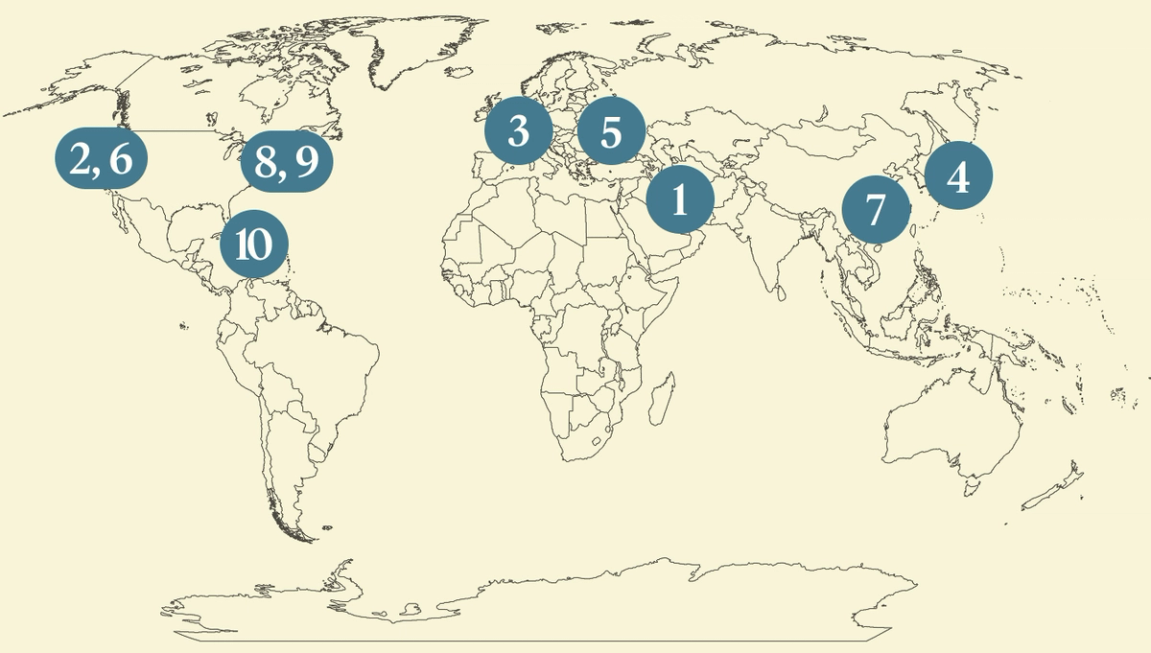 - Trump announces Iran deal
- WH limits Mythos access
- EU push for tech sovereignty
- Japan boosts ties with UK
- Kyiv’s defense clout grows
- Big Tech vs. billionaire tax
- China’s ‘silver economy’ soars
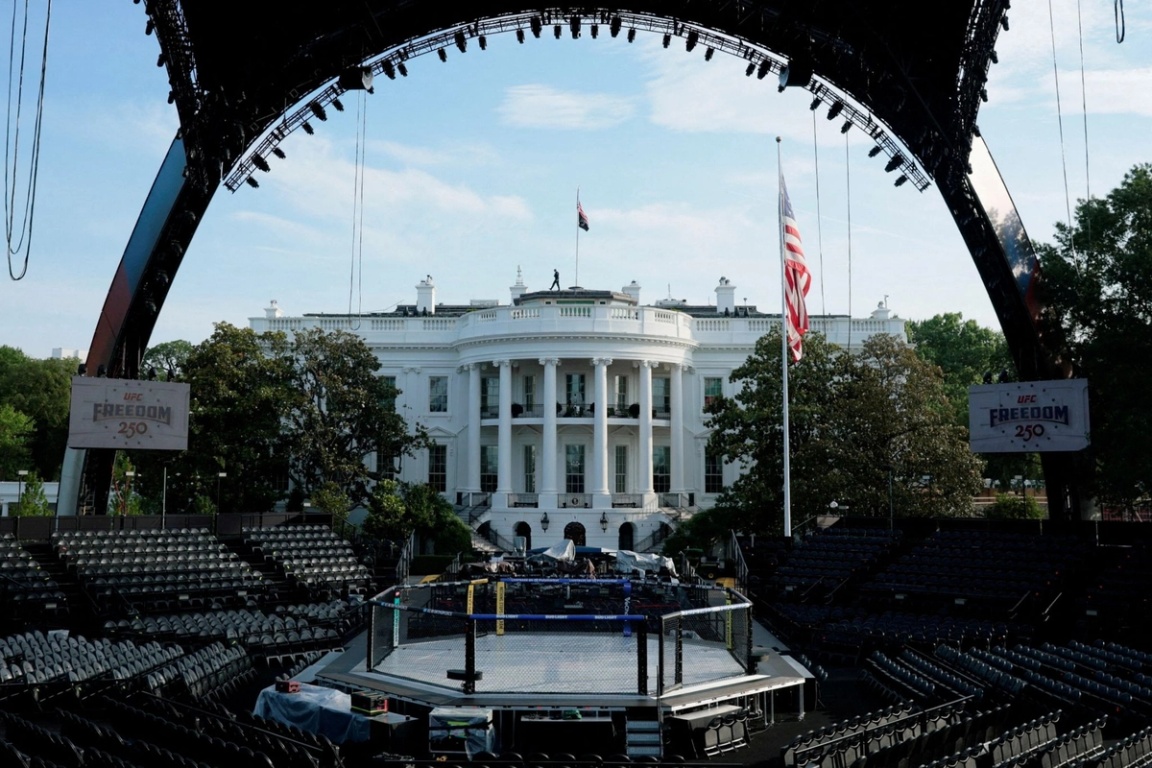
- Trump’s UFC birthday fight
- A historic Knicks win
- FIFA rejects Haiti jerseys
 A new book focuses on Iran as a “short-term society.” |
|
Trump announces peace deal with Iran |
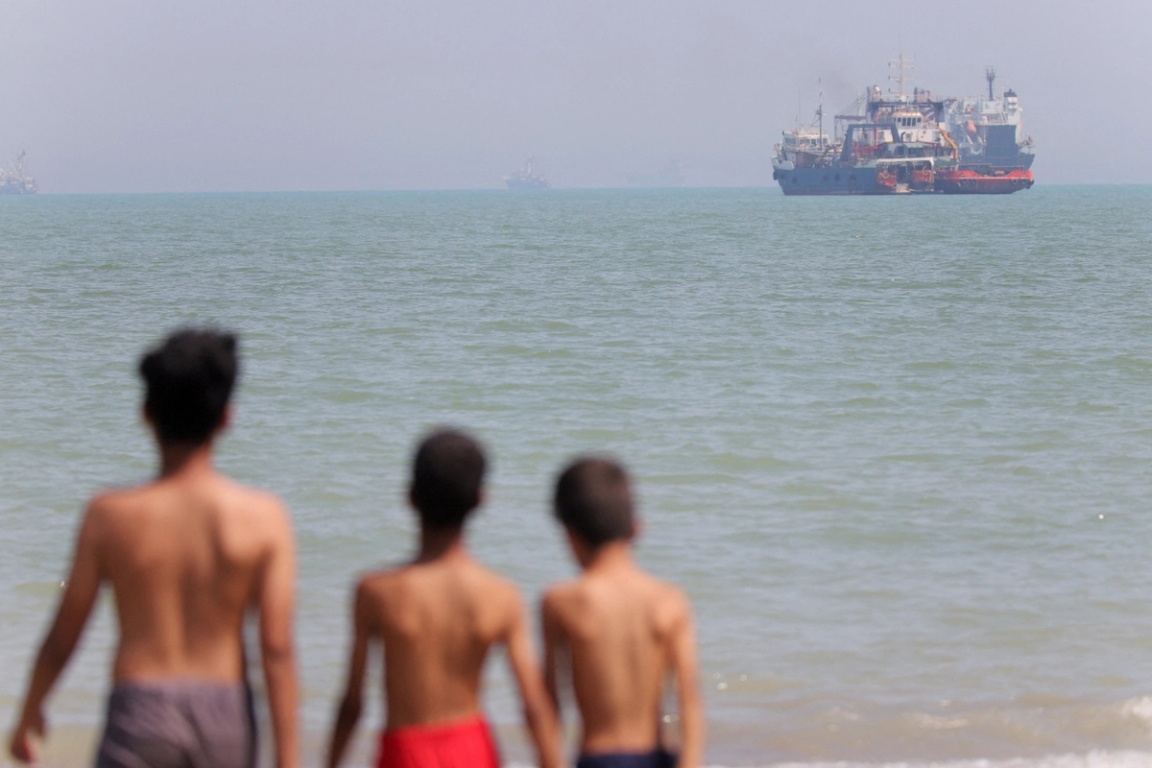 Vessels near Bandar Abbas, Iran. Amirhosein Khorgooi/ISNA/WANA via Reuters Vessels near Bandar Abbas, Iran. Amirhosein Khorgooi/ISNA/WANA via ReutersPresident Donald Trump on Sunday announced that the US and Iran had finalized a deal to extend their ceasefire and reopen the Strait of Hormuz. Pakistan said the agreement would be signed on Friday, and while there was no immediate confirmation from Tehran, Trump struck an optimistic note, saying, “Ships of the World, start your engines. Let the oil flow!” Israel’s strike on Beirut on Sunday morning had threatened to derail Trump’s timeline, and further negotiations to end the war could be complicated by the conflict between Israel and Hezbollah. Another thorn in Trump’s side is the new head of Iran’s powerful Revolutionary Guards who is shaping Tehran’s hardline tactics in negotiations with Washington, The Wall Street Journal reported. |
|
US limits Mythos over China concerns |
 Jessica Koscielniak/Reuters Jessica Koscielniak/ReutersThe White House imposed export controls on Anthropic’s most advanced AI model partly over suspicions that a China-linked group had accessed it, Semafor’s Reed Albergotti reported. The Trump administration on Friday directed the AI startup to limit access to Mythos and its consumer version, Fable 5, to US citizens, prompting Anthropic to revoke all access to both models, given the broad sweep of foreign governments, companies, and individuals that fall under the rule. Beijing’s potential access to Mythos could pose huge security risks to the US, and China could attempt to reverse-engineer and copy the model, Albergotti noted. Some AI experts argued, however, that it was unprecedented for the US government to move this aggressively against one of its leading companies. |
|
EU ramps up calls for tech sovereignty |
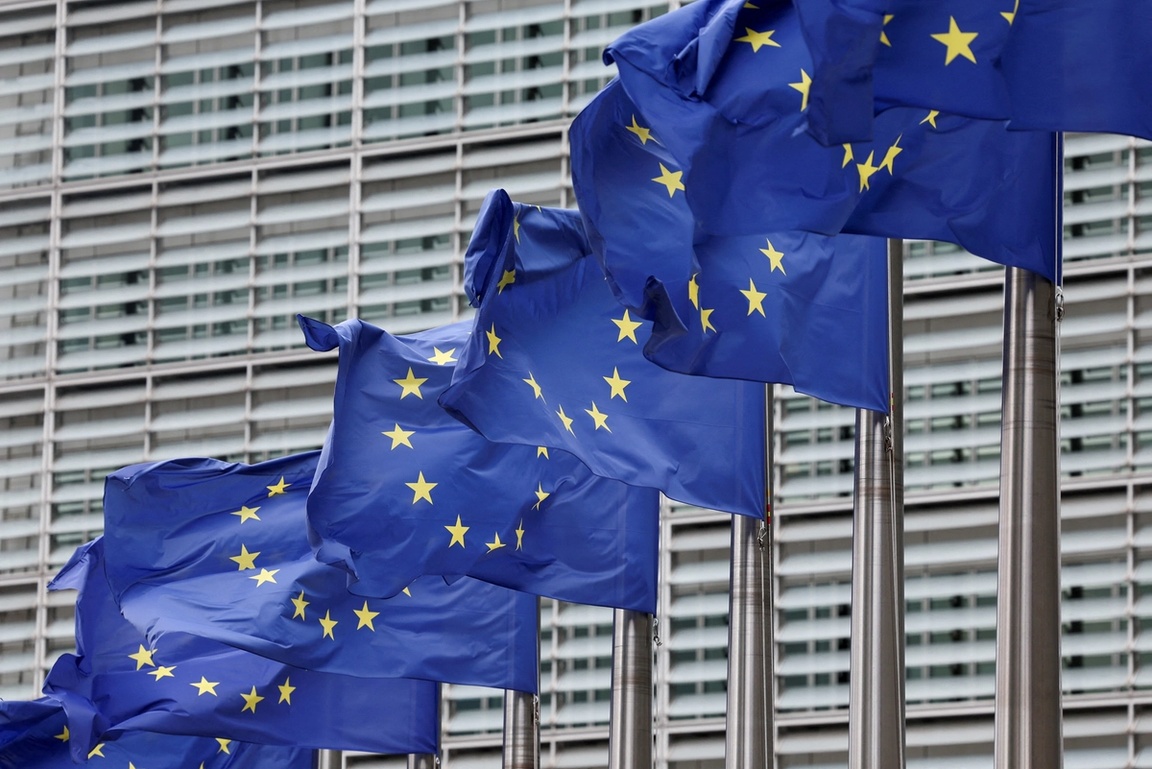 Yves Herman/Reuters Yves Herman/ReutersThe US government’s move to suspend foreign access to Anthropic’s powerful AI models injected fresh urgency into Europe’s plans for tech sovereignty. Washington’s “use of a ‘kill switch,’ long seen as a hypothetical threat, is a wake-up call,” Politico wrote, exposing Europe’s dependence on the US’ cutting-edge AI models. Several nations are advancing efforts toward digital independence and are also teaming up to counter Washington’s and Beijing’s tightening grips over the technology. The sudden US restrictions unified European leaders in calling for the development of the continent’s own frontier AI models: Nations that don’t “will always depend… on the choices of other powers,” a prominent French far-right leader said. The issue will likely loom over this week’s G7 summit in France. |
|
Japan deepens defense ties with Europe |
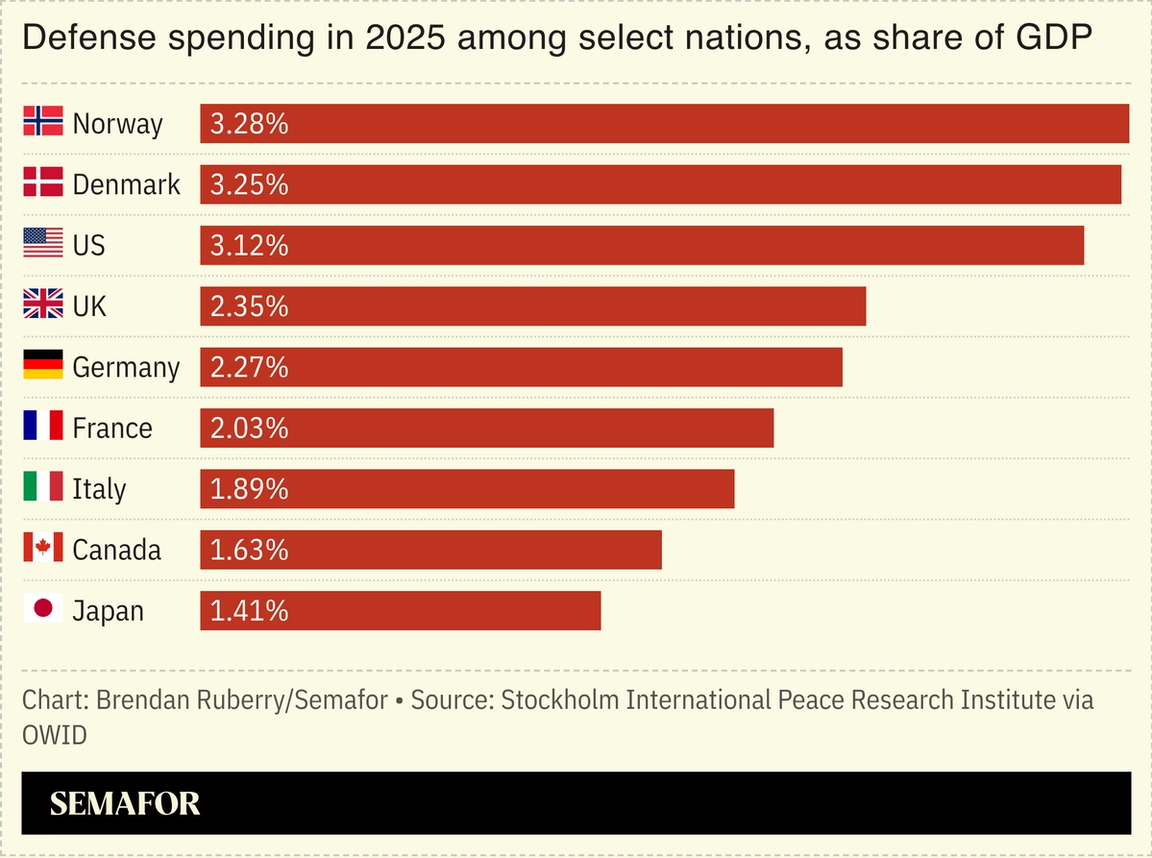 Japan and Europe are deepening defense ties amid growing unease over Washington’s security commitments at a time of Russian aggression and China’s surging power. Japan and the UK have reached the level of a “near-alliance,” Japan’s prime minister said after meeting her British counterpart Sunday, pointing to their renewed commitment to a new fighter jet program. Tokyo is also teaming up with Berlin as they race to rebuild their militaries to reduce reliance on what they view as an increasingly volatile US. This week’s G7 summit will likely see them further strengthen relations, as more countries look beyond Washington for military alliances, The New York Times wrote: “There is this justifiable fear that the United States might sell them out,” an academic said. |
|
Ukraine’s defense clout grows |
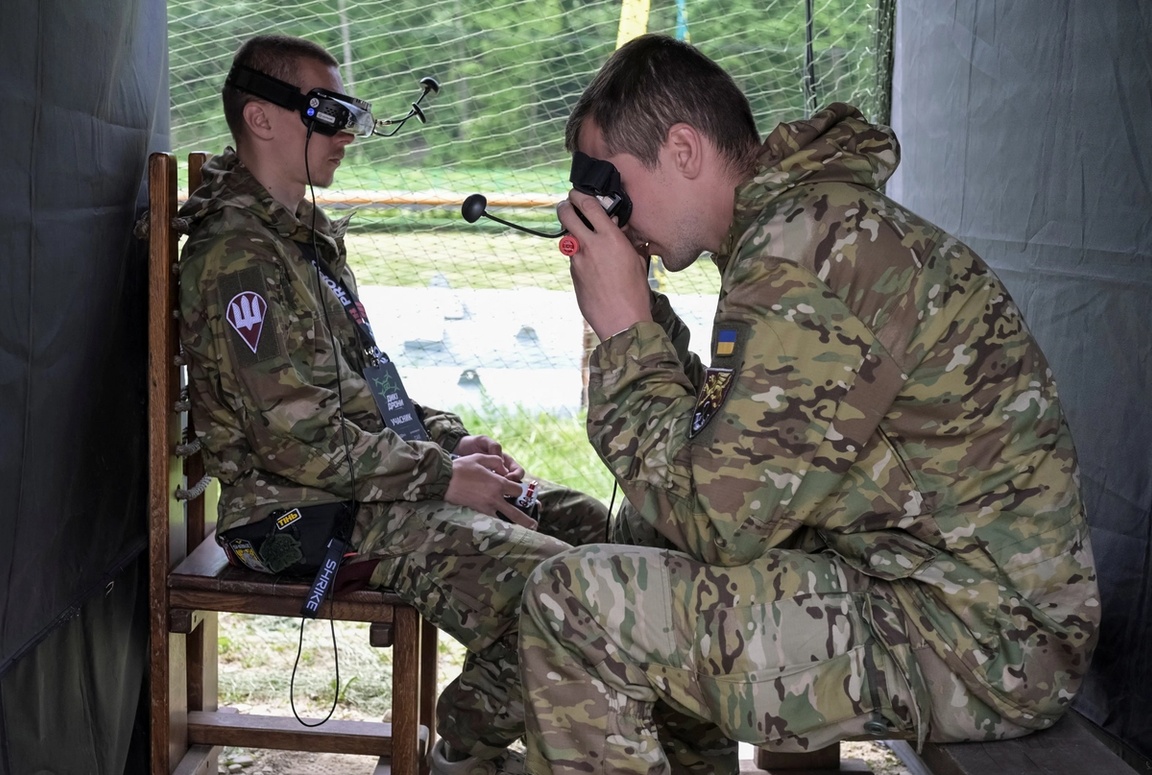 Stringer/Reuters Stringer/ReutersA German arms company is in talks to build Ukraine’s Flamingo cruise missile, a sign of Kyiv’s growing clout in the defense industry as NATO members seek its expertise. The cruise missile has been used in attacks on Russian industry more than 100 miles from the frontline. The rise of Ukraine as a military R&D powerhouse in Europe — it is also a source of cutting-edge anti-air missiles, as well as both drones and drone interceptors — is timely. Berlin is scrambling to find alternatives to US-made Tomahawk missiles after President Donald Trump canceled plans to deploy them; the US will also significantly reduce the aircraft and warships it makes available for NATO operations in Europe, The New York Times reported. |
|
Wealthy Californians plot to halt wealth tax |
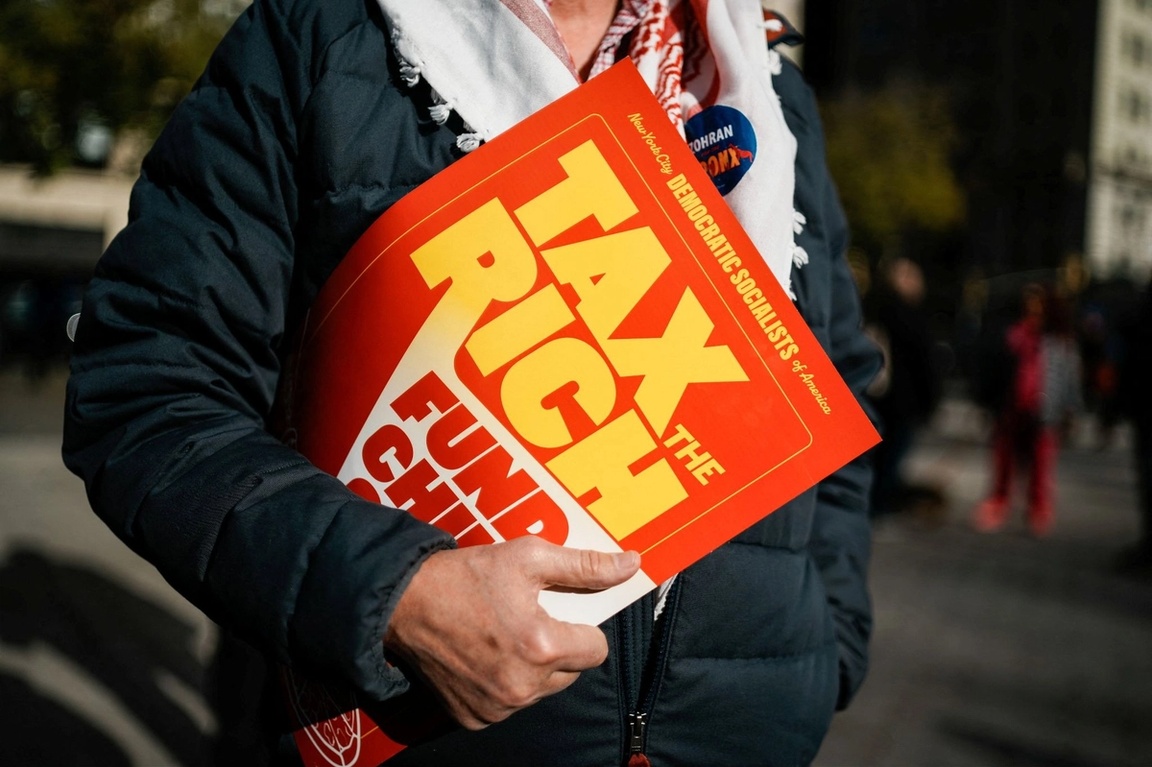 Eduardo Munoz/Reuters Eduardo Munoz/ReutersCalifornia’s tech elite are aggressively — and secretly — mobilizing to defeat a state ballot measure that would tax 5% of their total wealth. In a private Signal chat, tech titans and billionaires, including Google co-founder Sergey Brin and venture capitalist Marc Andreessen, plotted to halt the one-time levy. One idea floated was to stop the company being used to collect signatures by simply buying it, The San Francisco Standard reported, reflecting the “unorthodox, expensive, and increasingly desperate” efforts adopted by a “newly activated network of ultrawealthy citizens [that] is poised to change California politics.” Private capital giant Apollo is set to site its second headquarters in Austin, Texas, continuing a trend of firms expanding into states with low tax rates. |
|
China’s ‘silver economy’ booms |
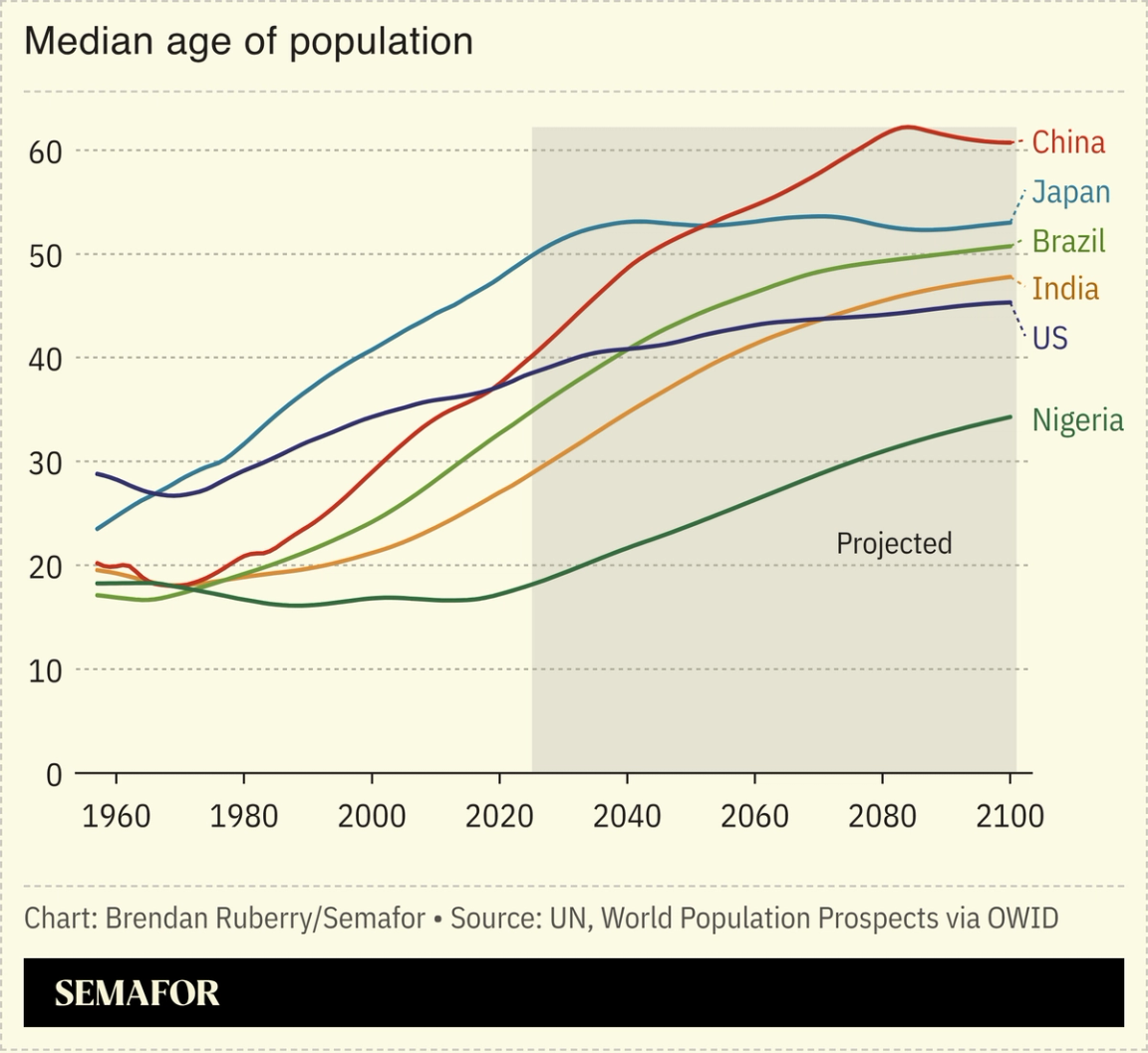 China’s “silver economy” is soaring as its population ages and its birth rate plummets. A trade show in Shanghai showcased exoskeleton walking aids and other goods tailored to the 400 million people in China who will be 65 or older by the middle of the next decade. Rising costs of living and the legacy of Beijing’s one-child policy have brought China’s fertility rate down to one birth per woman, below the 2.1 replacement rate. Beijing’s efforts to boost birth rates have largely been unsuccessful. The demographic crisis, however, has bolstered the elder-care market: “We are a big brand in the infant formula category… but with newborn babies declining sharply we stepped into the senior category,” one executive told the Financial Times. |
|
 The most powerful people in media are gathering in Cannes this month, and we’re on the ground to cover it all. Starting June 22, Semafor’s Ben Smith and Max Tani will hop between panels, parties, and yachts to bring you the essential guide to marketing and media’s most consequential event. Whether you’re jetting to Cannes or just want to stay in the loop, subscribe to our pop-up newsletter, Semafor Cannes. |
|
Trump’s 80th birthday spectacle |
|
New York Knicks’ historic win |
|
FIFA forces Haiti to change jerseys |
 Haiti’s Dominique Simon. Jeff Romance — Imagn Images via Reuters Haiti’s Dominique Simon. Jeff Romance — Imagn Images via ReutersFIFA made Haiti change its soccer team’s jerseys for the men’s World Cup, saying that an image of revolutionaries raising the country’s flag constituted a political message. The image depicted a scene of victory from the Haitian Revolution, during which enslaved Africans overthrew their French colonizers in 1803. It’s not the first time soccer’s governing bodies have taken umbrage against things that, to the nations involved, symbolize unity: Following Russia’s complaints, UEFA asked Ukraine to change its Euro 2020 kit, which included the slogan “Glory to our heroes.” FIFA was accused of breaching its own political neutrality stance in December when awarding the inaugural FIFA Peace Prize to Donald Trump, The Athletic noted. |
|
 - Diplomacy: The G7 summit begins in France, and Myanmar’s president arrives in China for a state visit (Monday). Japan’s emperor begins a state visit to the Netherlands (Wednesday).
- Key reports: The IEA publishes its monthly Oil Market Report (Wednesday) and The Conference Board publishes its US leading economic index (Thursday).
- Monetary policy: The Bank of Japan is expected to raise interest rates 25 basis points (Tuesday), and the Bank of England is set to make an interest rate announcement (Thursday), with most economists anticipating a rate hold.
- Political milestones: China’s leader Xi Jinping celebrates his 73rd birthday (Monday) and the Obama Presidential Center opens to the public (Friday).
- Elections: Potential Labour Party leader and aspiring UK Prime Minister Andy Burnham faces a by-election to reenter Parliament (Thursday), and Colombia holds its presidential run-off (June 21).
- Sports: The FIFA men’s World Cup continues, with France facing Senegal and defending champions Argentina competing against Algeria (Tuesday); Portugal will face DR Congo and England plays Croatia (Wednesday). Having soundly beaten Paraguay, the US looks to continue its momentum against Australia (Friday), also coming off of a win against Turkey. The US Open golf tournament begins in Southampton, New York, (Thursday) and will run until Sunday.
|
|
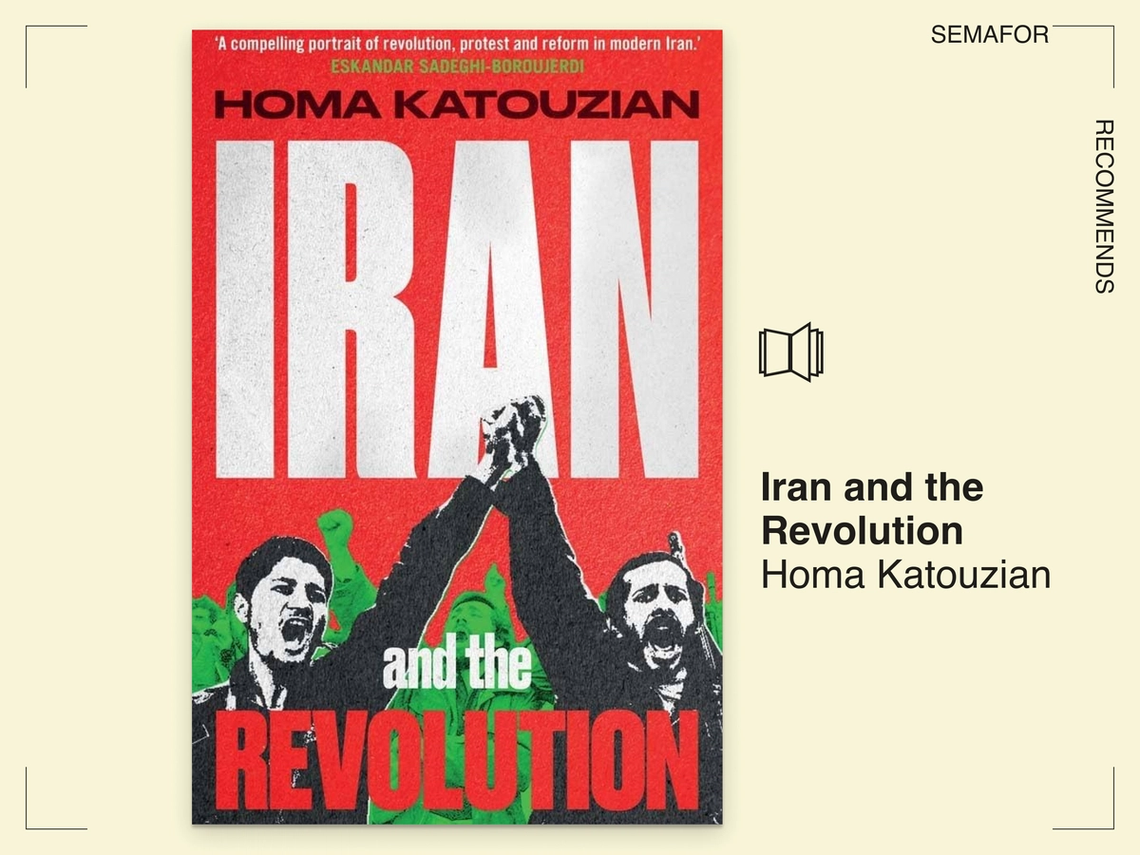 Iran and the Revolution, by Homa Katouzian. This new history focuses on the idea of Iran as a “short-term society,” in which change tends to be temporary. Though both shahs succeeded in building new roads, universities, and industries, they failed to build strong public institutions that would guarantee the survival of the order they erected. The Islamic Republic has deeper roots, Katouzian argues, but like the shahs, it “governs across a widening gap between rulers and ruled,” the Financial Times wrote, and “without a trusted relationship between state and society, that brittleness can always give way to further protest.” Buy Iran and the Revolution from your local bookstore. |
|
| |