| | China and the US spar over AI, US plans new widespread tariffs, car sales surge in Europe driven by ͏ ͏ ͏ ͏ ͏ ͏ |
| |  | Flagship |  |
| |
|
The World Today | 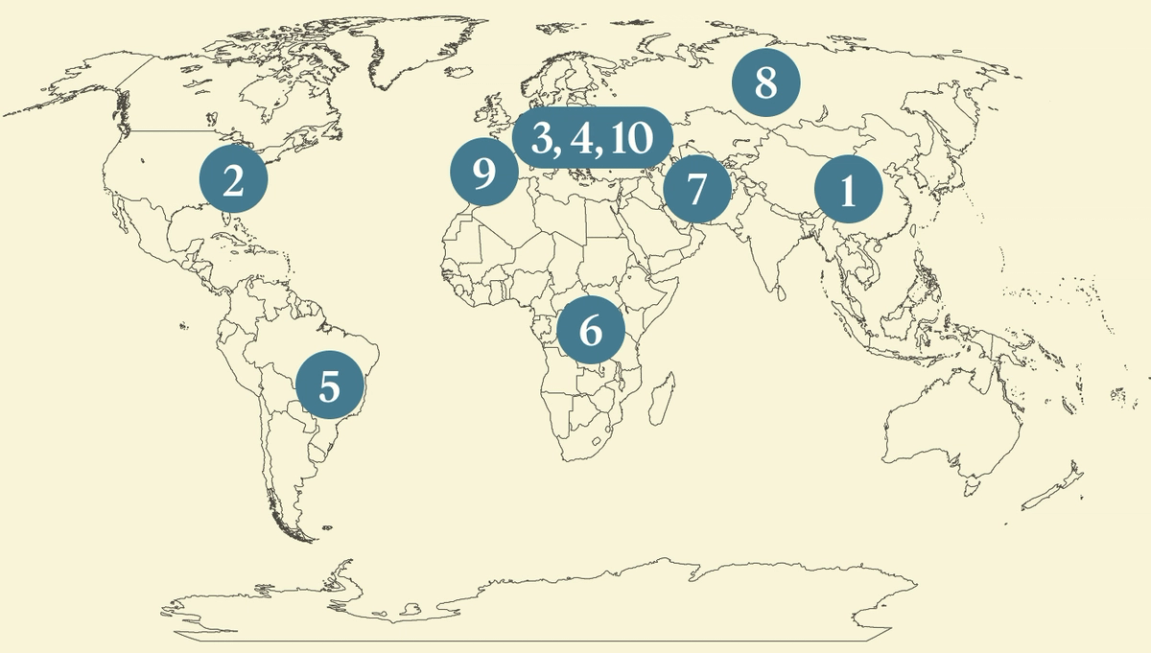 - China-US AI rivalry grows
- Trump plans new tariffs
- Google faces huge EU fine
- China’s Europe EV sales
- Brazil pledges tariff relief
- Call for intra-Africa trade
- Iran escalation concerns
- Russia imports Indian fuel
- Europe facing drought
- Hitler birthplace recast
 A book about just doing things. |
|
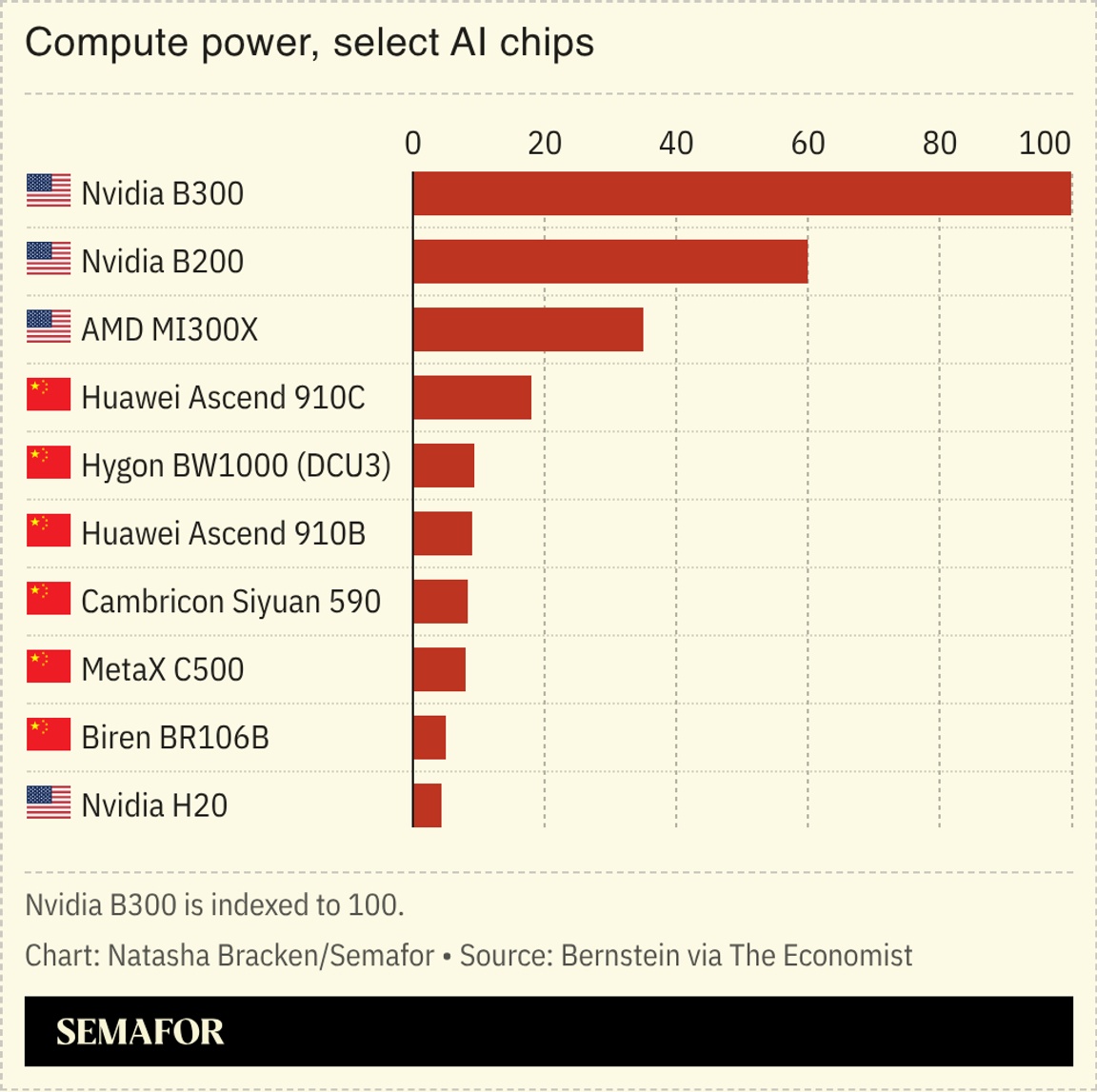
China and US spar over AI |
|
US plans new tariff regime |
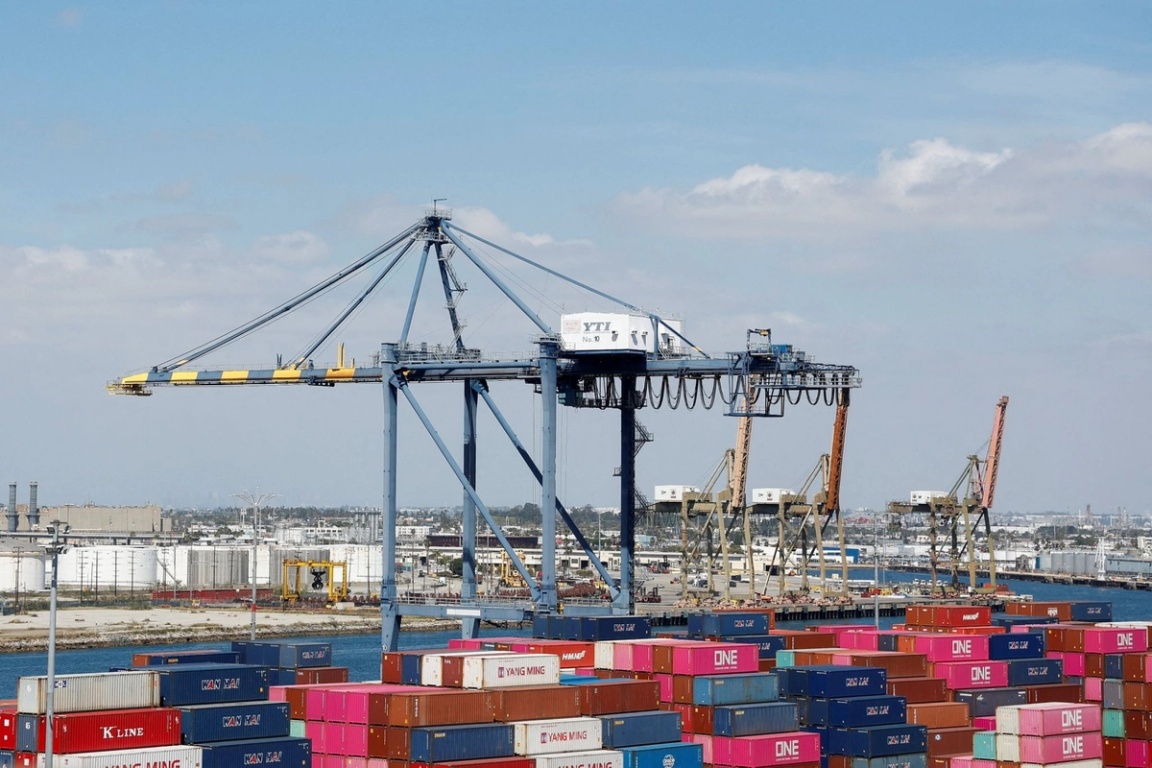 Caroline Brehman/Reuters Caroline Brehman/ReutersThe White House is readying a raft of new global tariffs after previous levies were struck down by US courts. Since then, the Trump administration has imposed 10% duties on trading partners, but they were limited to 150 days without Congressional approval; a successor regime is expected this week. The new proposals, including 50% tariffs on Canada, are based on allegations of unfair trade practices and are unlikely to be overturned, an Atlantic Council analyst wrote in The New York Times. They could also be a major revenue stream for Washington that future politicians will be unwilling to dismantle: The protectionist bent “will last well beyond this presidency,” Josh Lipsky argued. |
|
Google faces record EU fine |
 Steve Marcus/File Photo/Reuters Steve Marcus/File Photo/ReutersThe EU is reportedly preparing to hit Google with a record fine for breaching antitrust laws, potentially putting Brussels on a collision course with Washington. The bloc accuses the search giant of illegally using its market dominance to favor its own services. Officials are expected to publish a decision shortly: Handelsblatt reported the fine could be as high as €1 billion. But the timing is awkward, with US President Donald Trump expected to unveil new tariffs soon. The EU and US agreed a 15% cap on levies last year, but a swingeing fine on a major American firm could spark retaliation. Brussels is facing “one of the trickiest transatlantic balancing acts in months,” Politico said. |
|
China drives surge in Europe car sales |
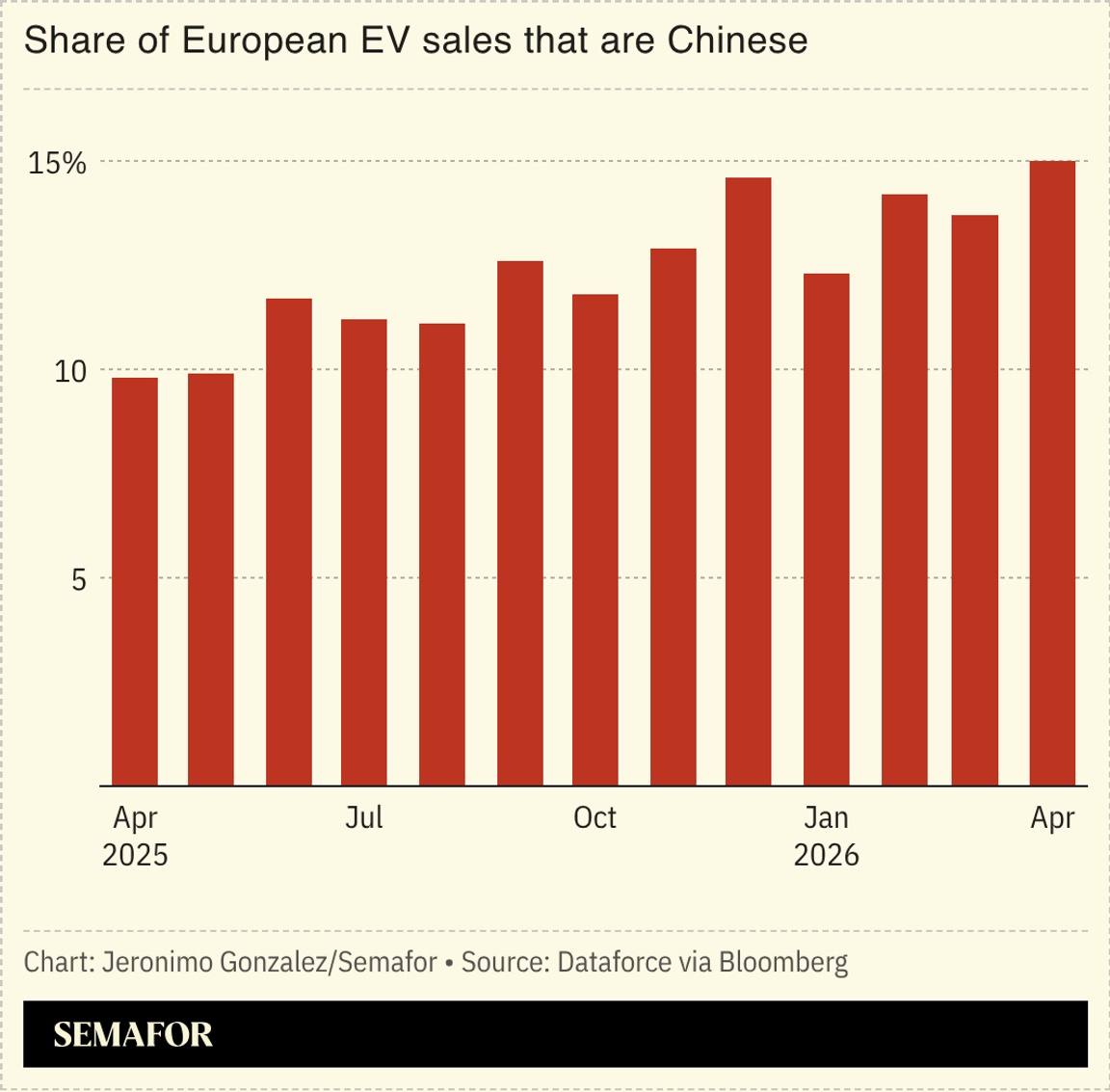 Car sales in Europe grew at the fastest pace in years last month, driven by an influx of cheap Chinese EVs that threatens to hollow out the continent’s manufacturing capacity. BYD and SAIC sales in the UK jumped by a third year-on-year, with competition from Chinese brands forcing European manufacturers to slash prices and offer incentives in a bid to keep up, Bloomberg Intelligence said last month. While senior EU officials have called for more protections for the bloc’s car industries, Chinese cars continue to flood the market, driven by overcapacity in the Asian nation as its domestic market craters. “China’s assault on Europe’s car market has barely begun,” the Financial Times said. |
|
Brazil promises $3.7B tariff relief |
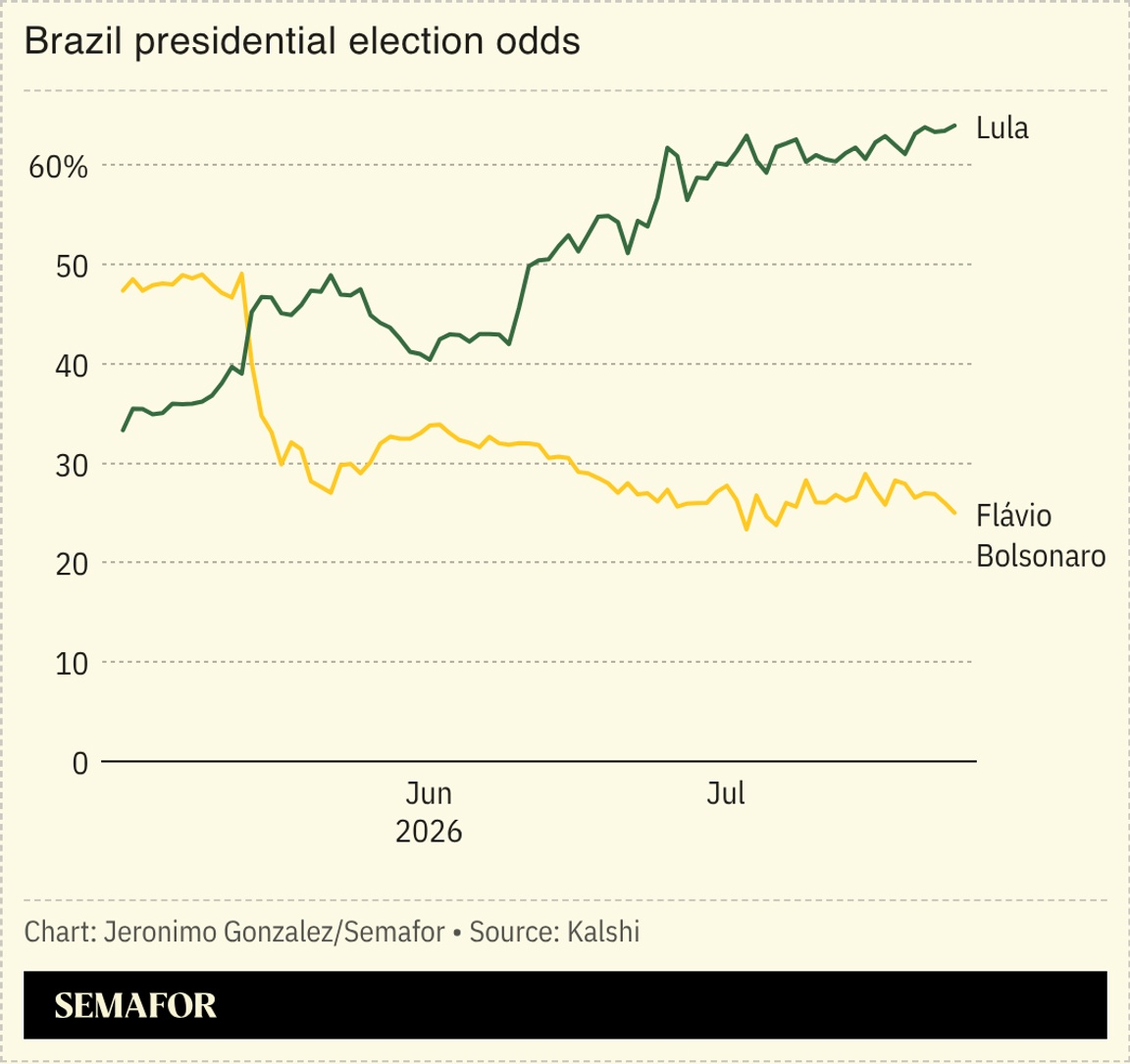 Brazil approved $3.7 billion in financing for companies hit by US President Donald Trump’s 25% tariff on some exports. The levies represent a fresh challenge for Brazilian presidential hopeful Flávio Bolsonaro: A new poll showed that 51% of Brazilians blame him and his family — including his father, a former president and Trump ally — for pressuring Washington into imposing the tariffs as a way to weaken Brazil’s incumbent leader. And six in 10 believe the Bolsonaro clan no longer has the clout to convince Trump to reverse them, leaving Flávio to face the brunt of the Brazilian electorate; his odds in October presidential elections have plummeted since the tariffs were announced. |
|
Intra-African trade key to growth |
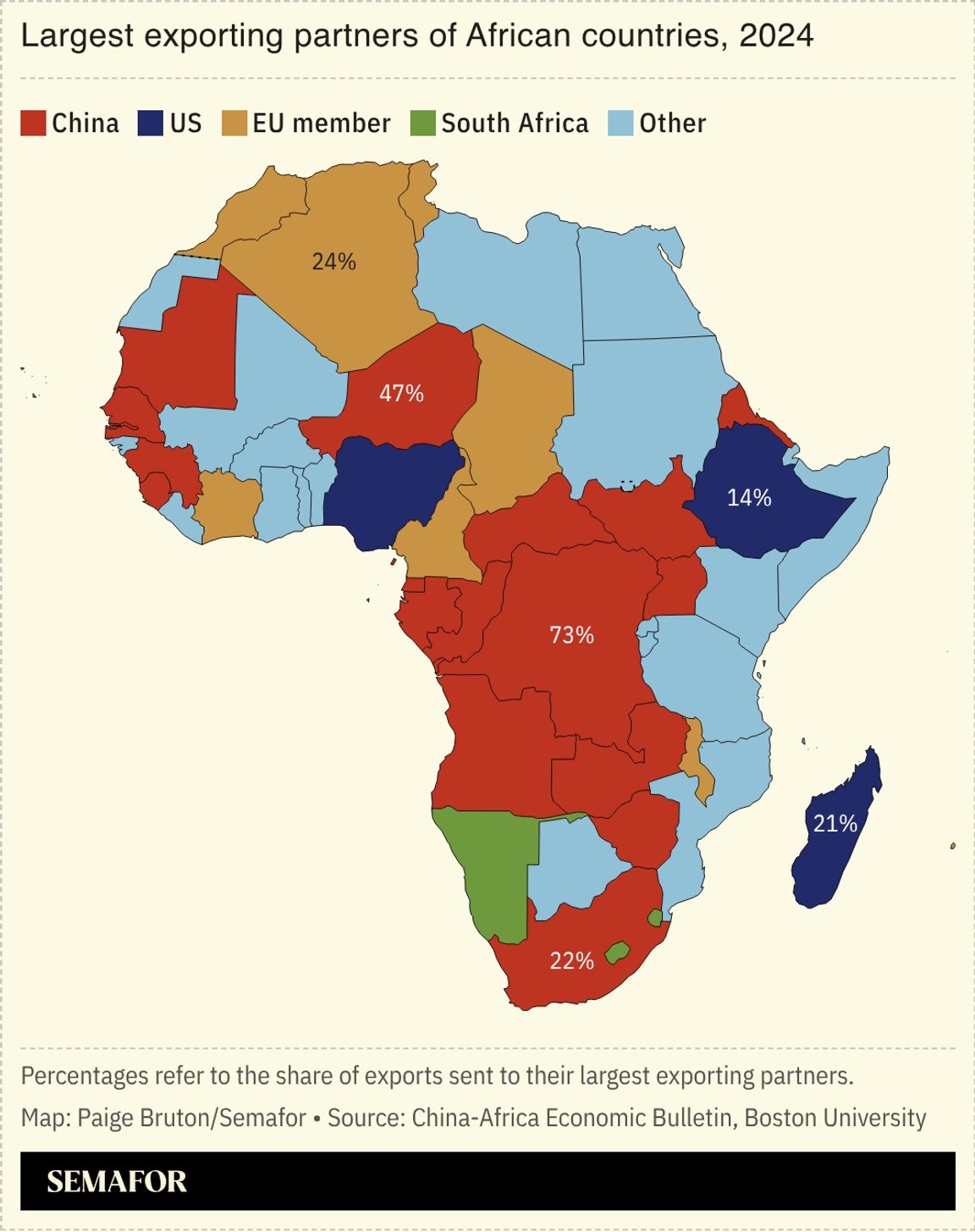 African nations must concentrate on strengthening intra-African trade in order to build their economies, rather than focusing on the legacy of colonialism, a prominent analyst argued in the Financial Times. Though many in the continent see a 19th-century Berlin conference as the original sin preventing greater African integration, Bright Simons said the most important impediments are more recent: Most nations have failed to commit to the 2019 African Continental Free Trade Area, so intra-African trade made up barely 20% of total exports in 2024. His argument is timely, as the continent grapples with Washington’s harsh tariffs. “The borders are a fact,” Simons wrote. “The failure to build constituencies for integration within them is a choice.” |
|
Mideast conflict expansion risk |
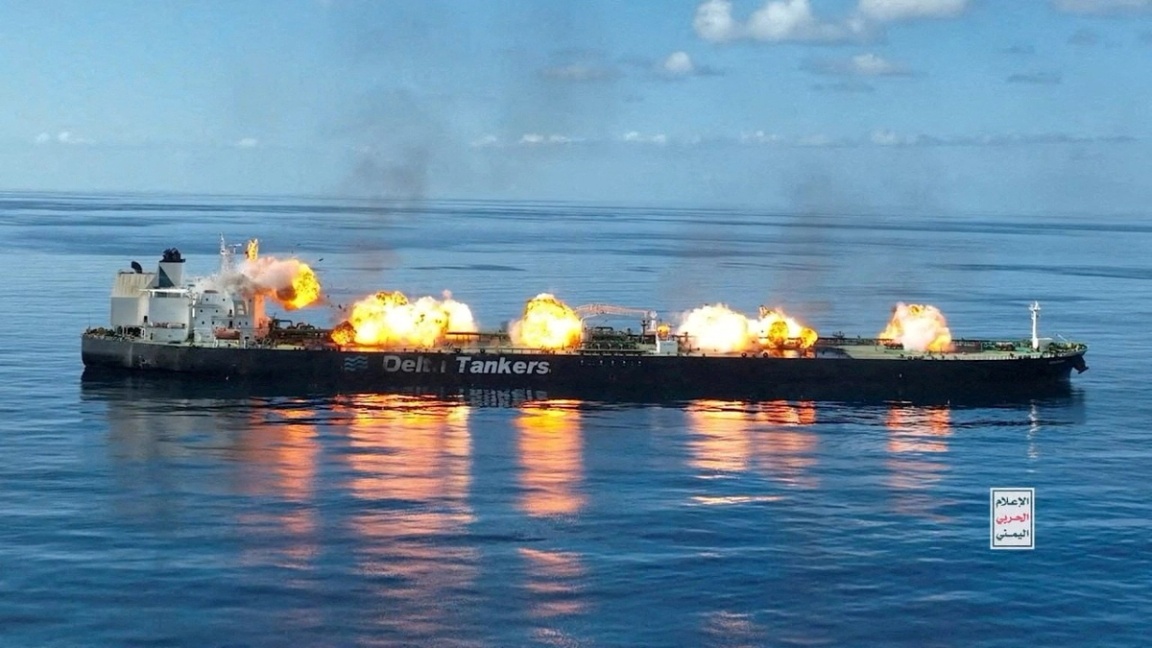 A Houthi attack on an oil tanker in the Red Sea earlier this month. Houthi Military Media/Handout via Reuters. A Houthi attack on an oil tanker in the Red Sea earlier this month. Houthi Military Media/Handout via Reuters.Attacks on tankers in the Red Sea and US bases in the Gulf raised fears the Middle East conflict could intensify. Two Saudi ships were struck by Houthi militants, after the Iran-backed group warned it would blockade the Bab el-Mandeb Strait, through which about 10% of global trade passes. Washington has reportedly moved more troops and ordnance to the Gulf as President Donald Trump considers stepping up hostilities in the wake of Iranian attacks that killed three US soldiers. The accuracy and sophistication of Iranian strikes on CIA facilities raised questions about Russian involvement, Reuters reported. The fighting and pressure on shipping pushed Brent crude prices above $98 for the first time since early June. |
|
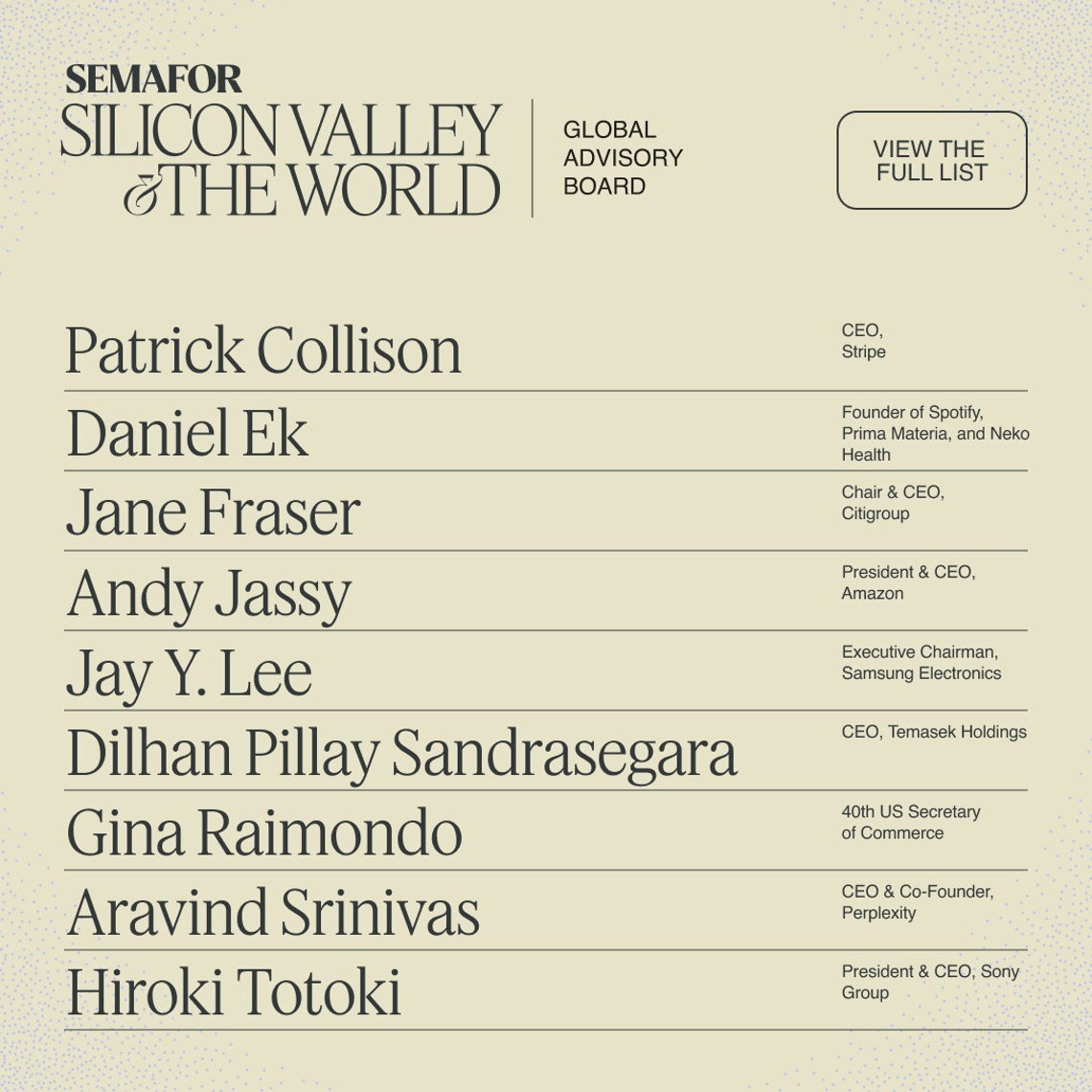 Semafor has announced the expanded Global Advisory Board for Silicon Valley & The World — a first-of-its-kind, multi-year initiative bringing together the leaders building transformative technologies with the policymakers shaping how they are deployed. With more than 40 global figures joining the board — including Patrick Collison, Daniel Ek, Jane Fraser, Andy Jassy, Jay Y. Lee, Dilhan Pillay Sandrasegara, Gina Raimondo, Aravind Srinivas, and Hiroki Totoki, alongside co-chairs Jensen Huang, Divesh Makan, Satya Nadella, Ruth Porat, and Lisa Su — this group reflects the full spectrum of power driving the AI economy. Designed to move the conversation beyond debate, the platform will bring together more than 350 founders, CEOs, investors, and policymakers in November, uniting the leaders with the ability to fund, scale, and implement new ideas. |
|
Crippled Russia imports fuel |
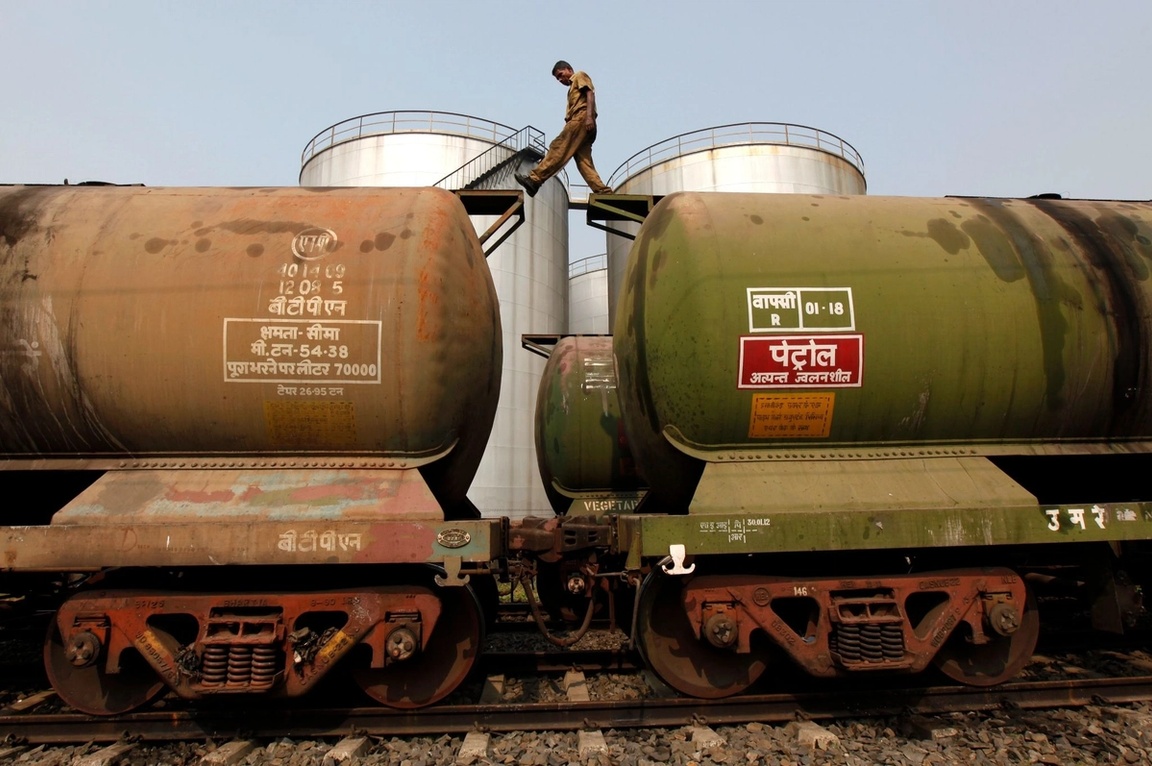 Rupak De Chowdhuri/Reuters Rupak De Chowdhuri/ReutersRussia will receive a shipment of fuel from India, as Ukrainian drone strikes on refineries heap challenges on its economy. The strikes have caused Russia’s worst fuel crisis in the post-Soviet era and have led to rationing: Though Russia is among the world’s largest oil producers, its refining capacity is down 40% and output cannot keep up with domestic demand. Ukrainian drones have also hit e-commerce warehouses, which Kyiv says sell dual-use goods such as walkie-talkies and drone components. Russia’s economy remained relatively robust for years despite the war and sanctions, but is now under pressure and consumer sentiment is catching up: Polling finds that Russians are now more pessimistic than optimistic about economic prospects. |
|
Europe gripped by drought |
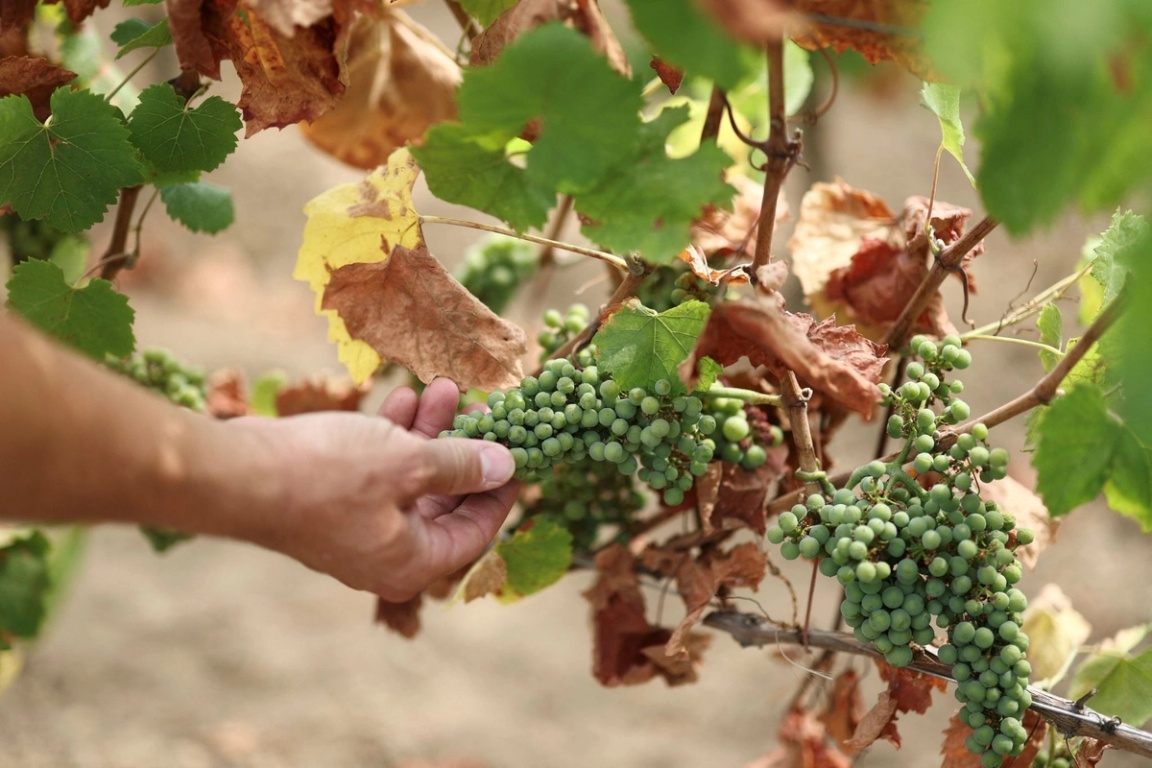 Stephane Mahe/Reuters Stephane Mahe/ReutersEurope’s climate-change-driven heatwaves have caused a continent-wide drought. Major river systems across Europe, including the Rhine and Danube, have seen water levels fall. Low rainfall has impacted some regions, but scientists say heat is the real driver: High temperatures accelerate water loss, both because warm water evaporates faster and because warm air can hold more moisture, meaning river beds dry faster. Low river levels have hit cargo shipping, agricultural harvests, and hydropower; some countries have banned non-essential water use such as residential gardening. Researchers said climate change had made droughts more likely and more severe: In Wales, rivers are approaching all-time lows, killing fish and other wildlife. |
|
Hitler’s birthplace transformed |
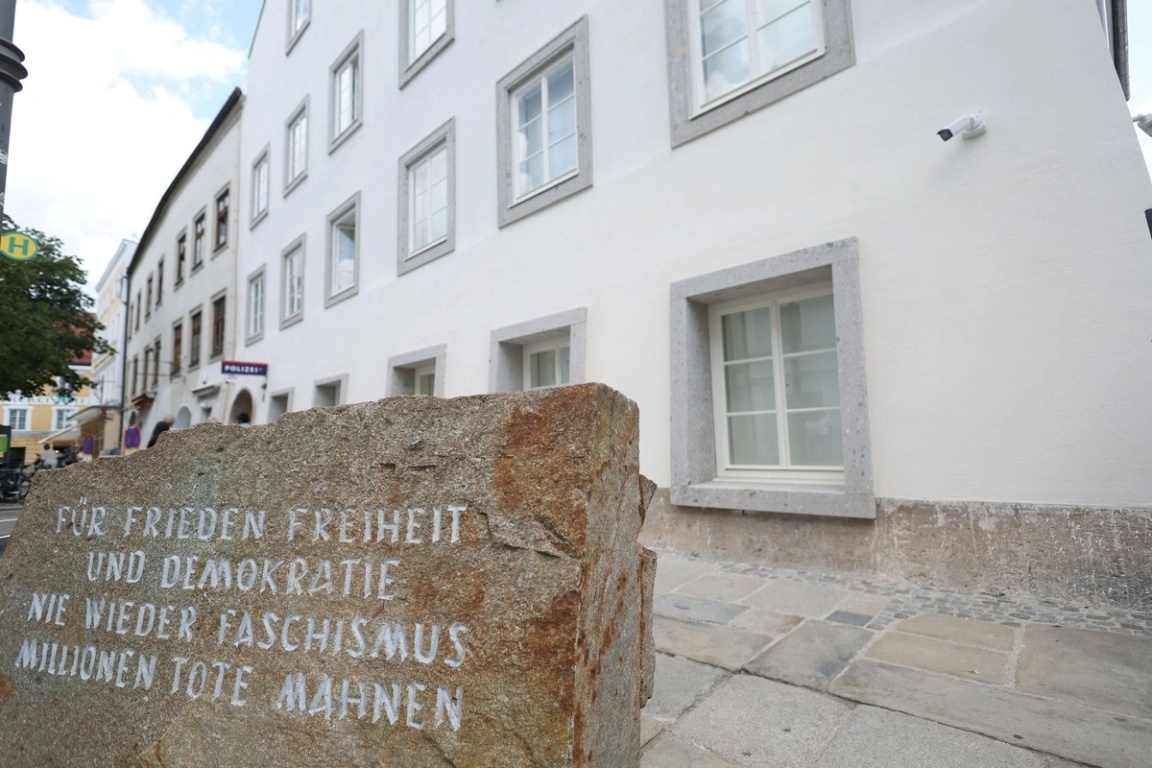 A stone memorializing the millions of deaths during the Holocaust outside the newly converted police station. Gintare Karpaviciute/Reuters. A stone memorializing the millions of deaths during the Holocaust outside the newly converted police station. Gintare Karpaviciute/Reuters.Austria opened a police station in the house where Adolf Hitler was born, a move Vienna hopes will prevent it from serving as a pilgrimage site for neo-Nazis as antisemitism grows across Europe. Anti-Jewish hate crimes were already on the rise even before the Oct. 7, 2023 attacks by Hamas, and the Gaza war that followed. The surge in recent years has been particularly worrying in Europe: In May, the German government issued a report warning that “the threat to Jewish life is worse than at any time since the Holocaust,” while France recorded 1,320 antisemitic attacks last year alone. |
|
 - US-Mexican trade talks resume, following Washington’s decision not to renew the USMCA trade pact.
- US Secretary of State Marco Rubio is due to meet with his Russian counterpart, Sergey Lavrov, in Manila.
- The Commonwealth Games open in Glasgow.
|
|
| |