| | Nicolás Maduro pleads not guilty in a US court, American oil majors face hurdles in returning to Ven͏ ͏ ͏ ͏ ͏ ͏ |
| |  NAKURU NAKURU | BANGKOK |  TAIPEI CITY TAIPEI CITY |
 | Flagship |  |
| |
|
The World Today | 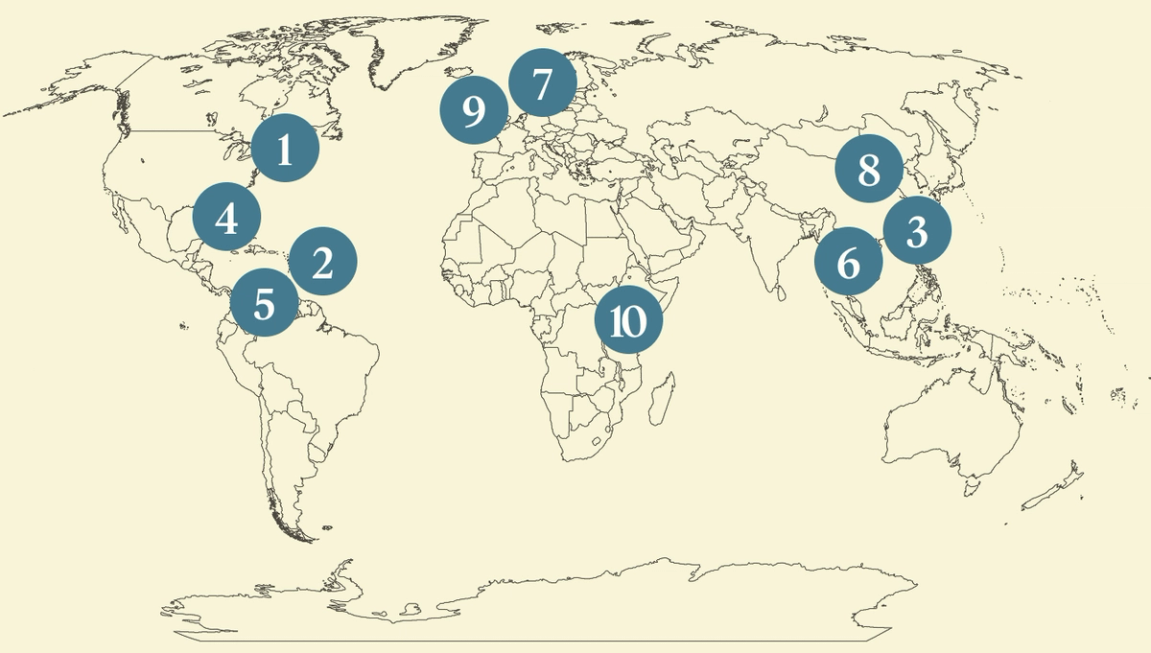 - Maduro pleads not guilty
- Hurdles to oil majors’ return
- China, Taiwan eye Caracas
- Rubio’s growing portfolio
- Trump the internationalist
- Many K-shaped economies
- Novo debuts weight loss pill
- Pricey lab monkeys in China
- UK seeks EU alignment
- Water levels in Kenya rise
 A record-breaking tuna. |
|
 Jane Rosenberg/Reuters Jane Rosenberg/ReutersNicolás Maduro pleaded not guilty to US drugs and weapons charges on Monday and insisted he is still president of Venezuela after being captured by American forces over the weekend. The arraignment in New York set off what will likely be a long court process shaped by highly unusual circumstances. In Venezuela, Maduro’s former No. 2 Delcy Rodríguez was sworn in as interim president, after calling for “cooperation” with Washington. Rodríguez, whom the White House sees as a capable partner on economic issues, will face the challenge of fielding US demands without being perceived by Maduro loyalists as too conciliatory to Washington. The uncertainty has led ordinary Venezuelans to hunker down and stock up on basic supplies. |
|
Hurdles to US oil return to Venezuela |
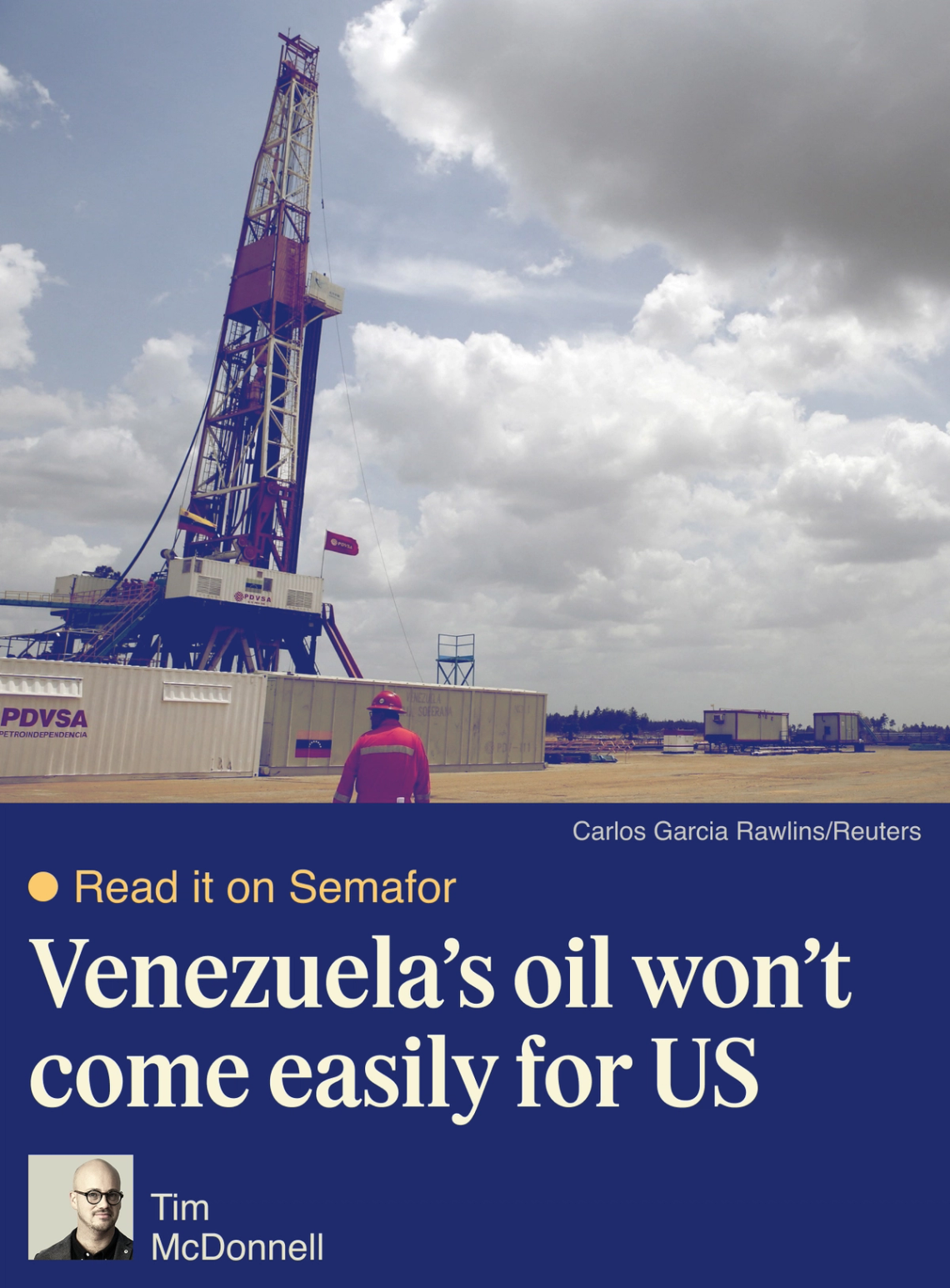
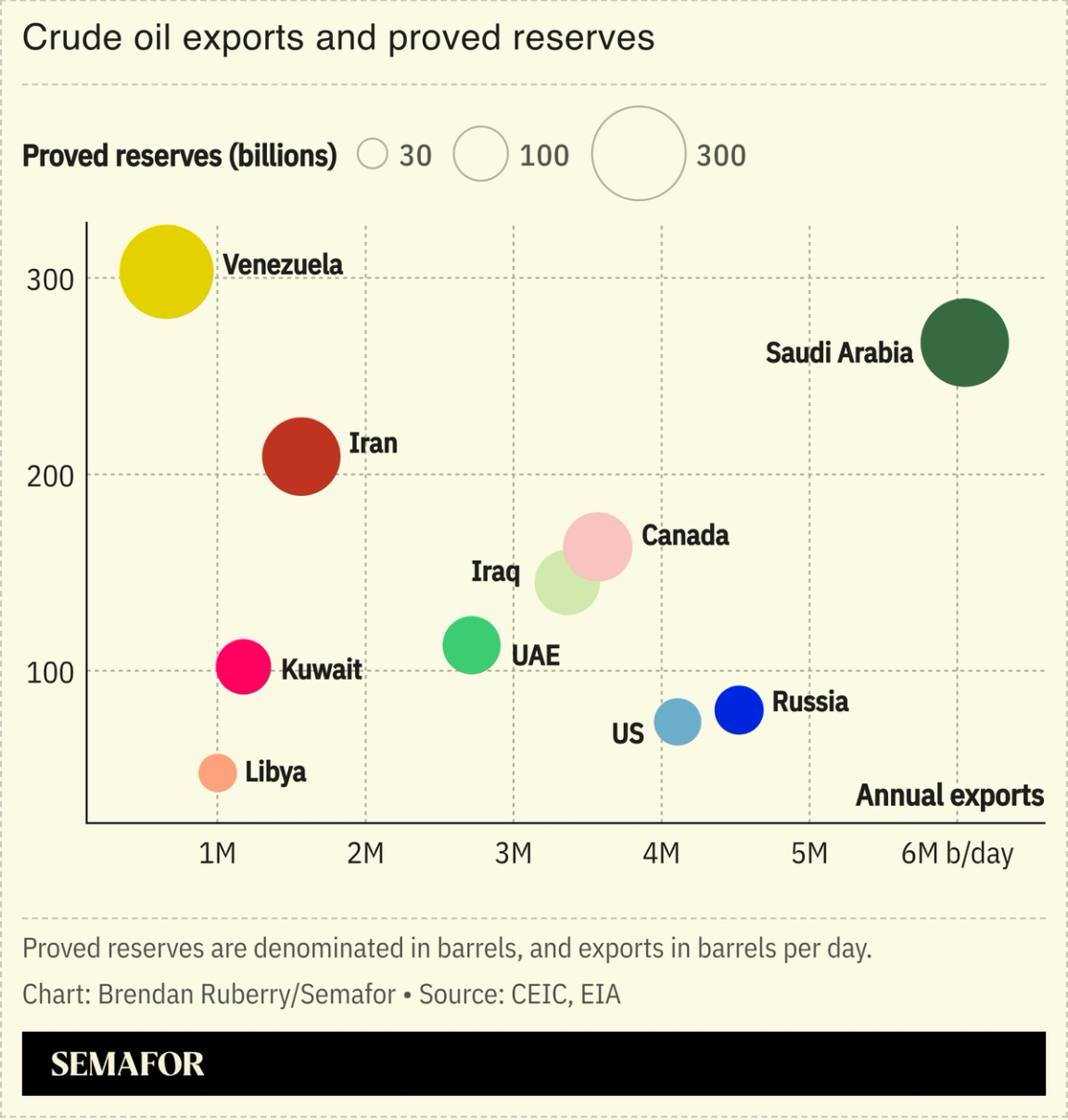 The US government is pushing the country’s oil majors to swiftly return to Venezuela, though industry insiders see obstacles to new investment in the country. Venezuela has rich crude reserves but low exports, and US energy stocks rose Monday on the long-term opportunity there. But before American producers return, they’ll want a path to recovering billions expropriated by Caracas in a nationalization push two decades ago, analysts said. Washington plans to use its oil blockade around Venezuela to force change there, but that may also prove difficult; at least 16 sanctioned tankers are attempting to evade the embargo. Some investors are heeding US President Donald Trump’s call: A former Chevron executive said he is raising $2 billion for Venezuelan oil projects. |
|
How China views Caracas raid |
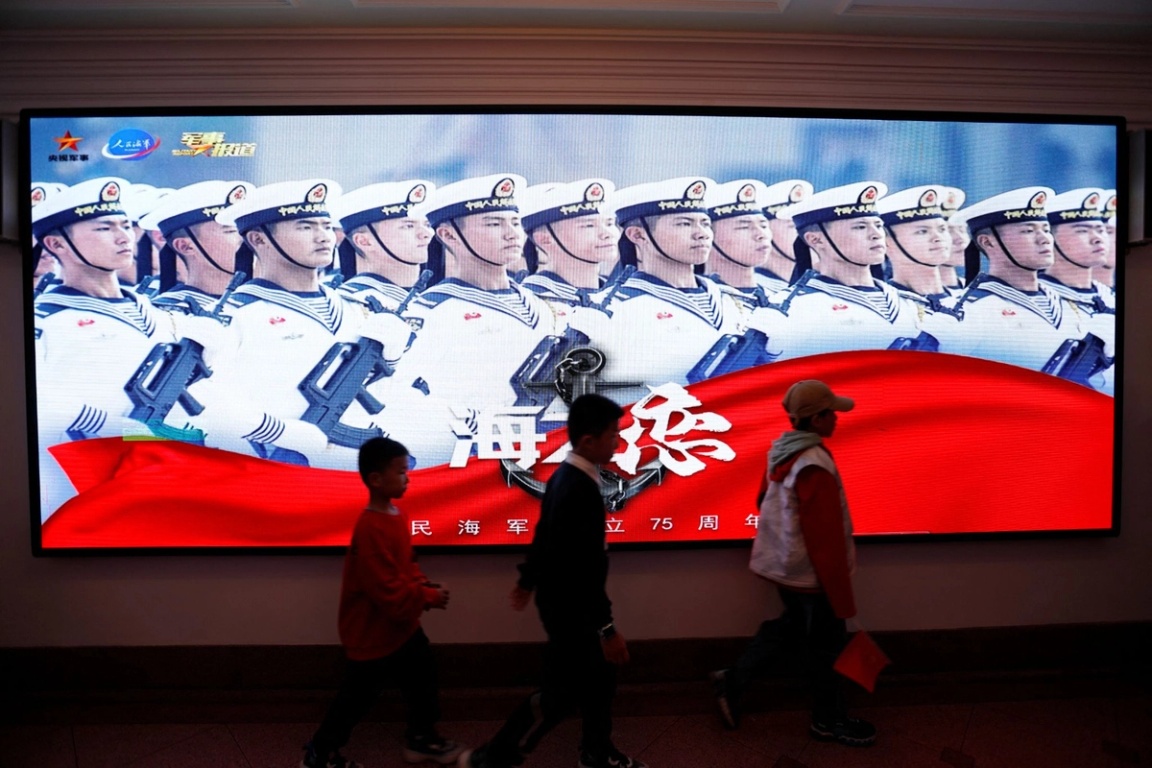 Florence Lo/Reuters Florence Lo/ReutersExperts debated whether US action against Venezuela will embolden China in its pursuit of Taiwan. Beijing may see a Taiwan invasion as easier for the world to swallow if global norms shift toward “tolerating more problematic behavior,” a Carnegie Endowment fellow argued. Nicolás Maduro’s capture will also “vindicate” Beijing in its pursuit of a military and tech buildup, a veteran China reporter wrote. But others pointed out that for Beijing, the issue of Taiwan — which it sees as a breakaway province — is domestic, and not a matter subject to international law or precedent. Some in Taipei see Maduro’s capture as a deterrent against Chinese aggression, given that it showcased US military might against a country equipped with Chinese weapons. |
|
Rubio’s portfolio grows larger |
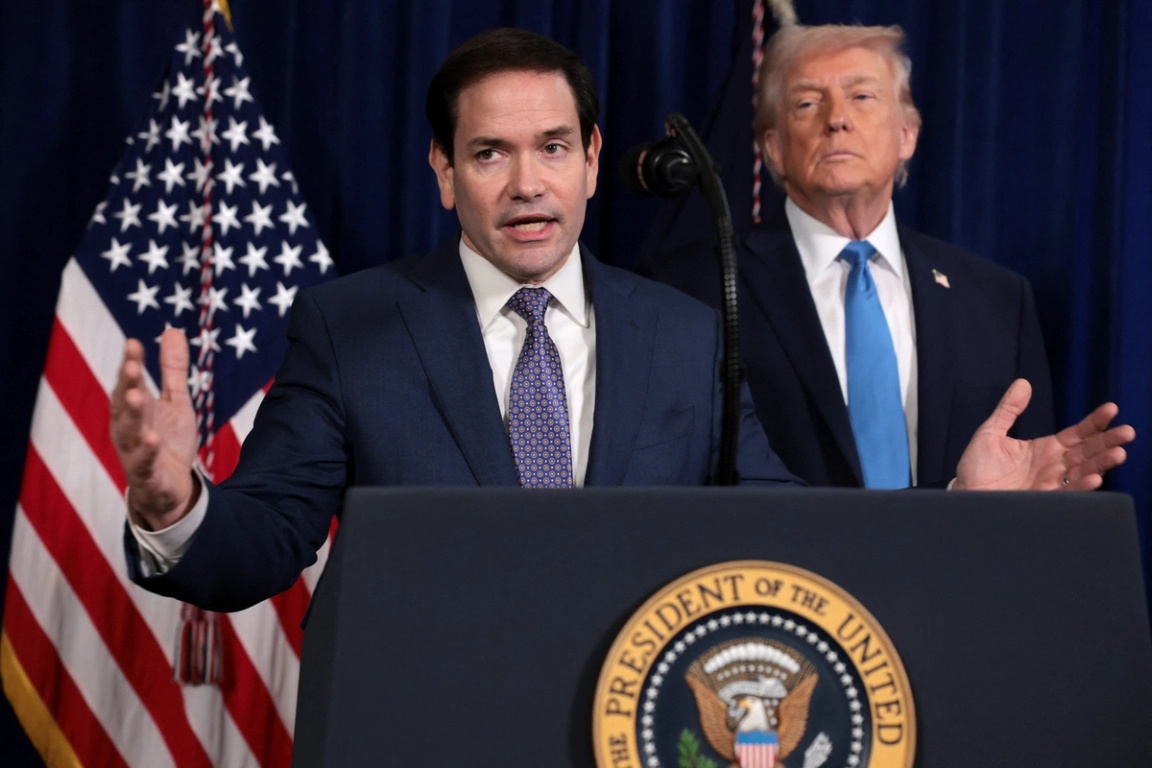 Jonathan Ernst/Reuters Jonathan Ernst/ReutersUS Secretary of State Marco Rubio emerged as the driving force behind the ouster of Venezuelan leader Nicolás Maduro, underscoring his growing portfolio and prominence within the Trump administration. Once the subject of a potential assassination plot by Venezuelan security forces, Rubio built much of his political career denouncing Maduro’s regime, and he is “the mastermind” of the Caracas operation, a Venezuelan Republican strategist told Politico. Rubio — who is already national security adviser, archivist, and USAID administrator — is now “the Viceroy of Venezuela,” The Washington Post wrote, facing the daunting task of determining the country’s post-Maduro future. Rubio is so busy that the White House is weighing giving adviser Stephen Miller a larger role in Venezuela operations. |
|
Reassessing Trump’s foreign policy |
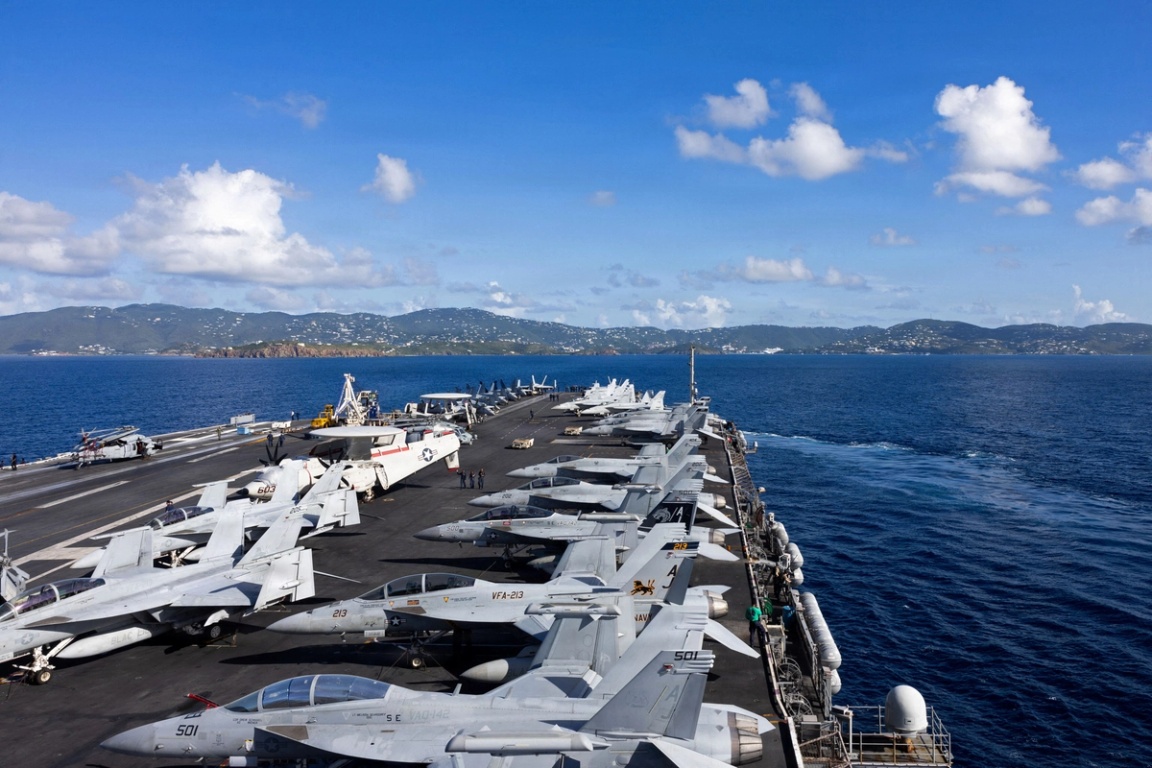 Seaman Abigail Reyes/US Navy/Handout via Reuters Seaman Abigail Reyes/US Navy/Handout via ReutersGeopolitical commentators worked to make sense of why national security experts misjudged US President Donald Trump’s approach to Venezuela. Trump once vowed not to drag the US into open-ended nation-building efforts, and many did not expect his militaristic pursuit of regime change in Venezuela. But when it comes to Trump’s foreign policy, “too many… assume coherence where there is division, chaos when there is improvisation, and restraint where there is only selectivity,” War On The Rocks wrote. “Trump doesn’t like war but he loves acts of war,” a journalist wrote, pointing to his penchant for the swift, spectacular operation to capture Nicolás Maduro. Trump “has revealed himself to be a highly assertive internationalist rather than an isolationist,” a researcher argued. |
|
Multiple K-shapes in global economy |
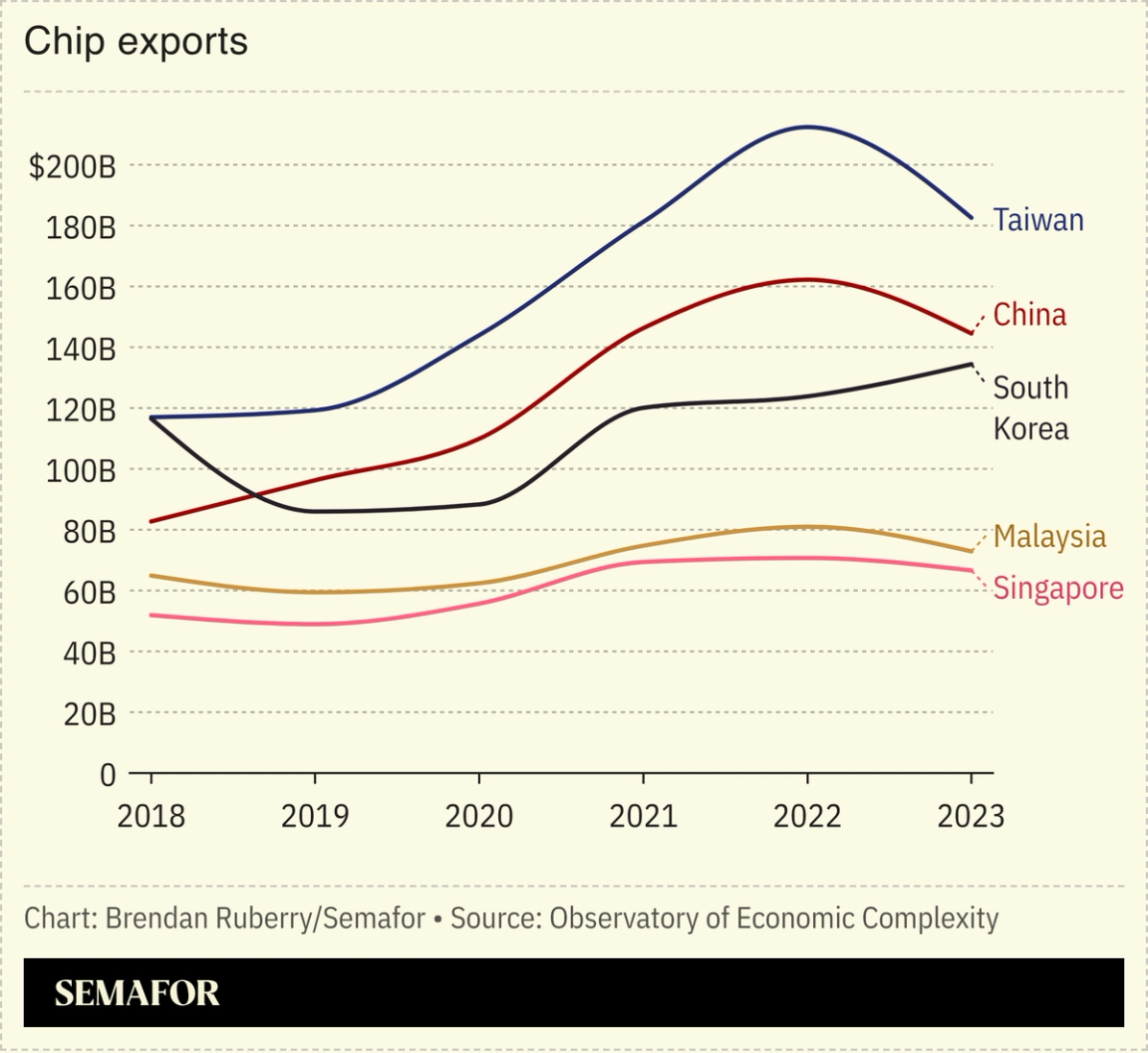 The AI boom is birthing winners and losers across the global economy, creating multiple “K-shaped” expansions, HSBC experts argued. The most commonly referenced divergence is seen in the US economy: Strong tech stocks are boosting wealth and spending among wealthier Americans, while lower-income households feel more pressure. But AI is also spurring a divide in corporate investment. Tech spending has “punched well above its weight” compared to sectors like basic machinery, the bank noted in a 2026 economic preview report. Third, Asian economies in particular are benefiting from strong AI-related exports, like chips and circuit boards, while their domestic economies grapple with weak consumption. “If AI does not continue to drive exports, then growth could disappoint in Asia.” |
|
Novo launches weight loss pill |
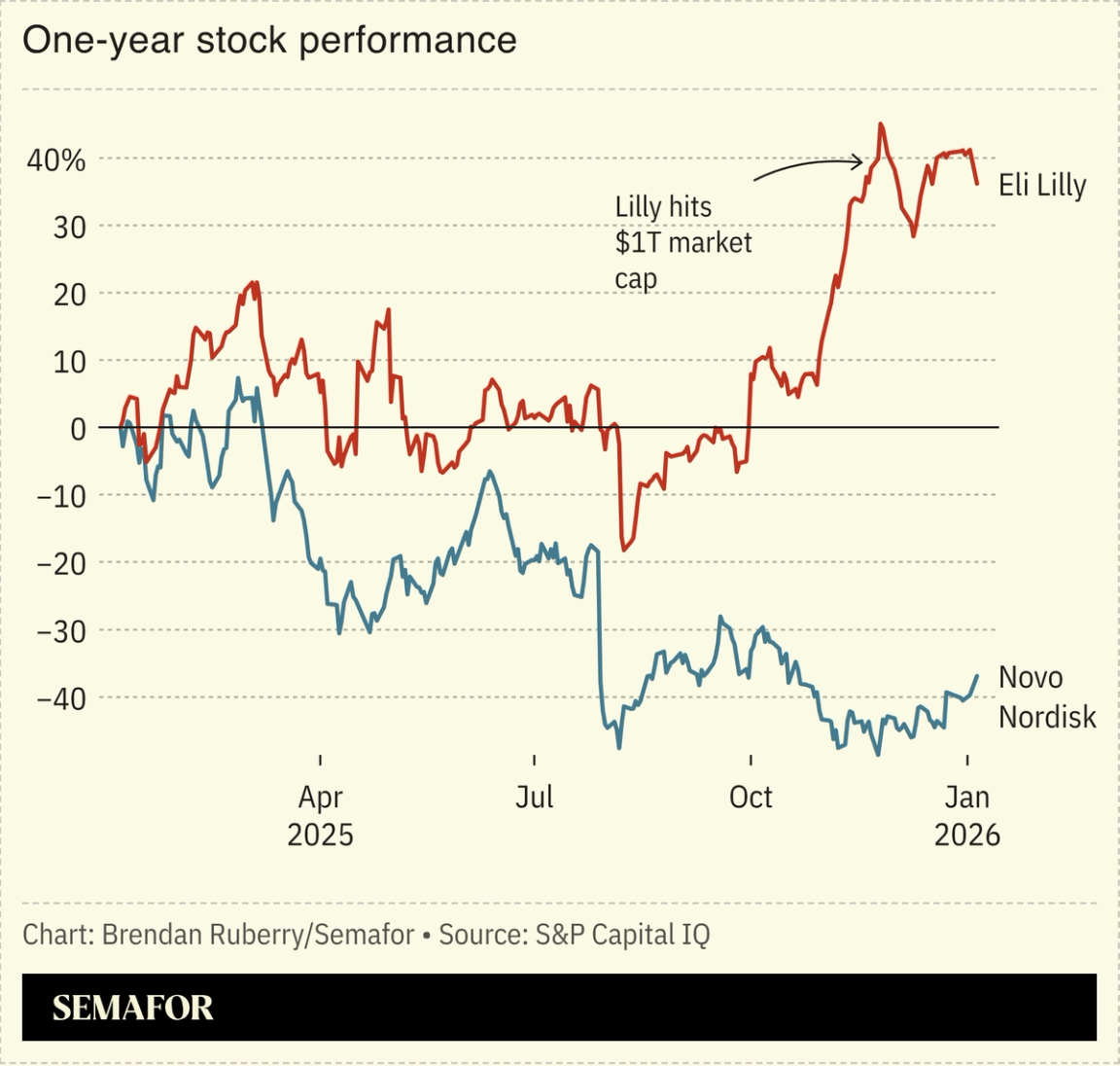 Novo Nordisk launched the pill version of its popular GLP-1 weight loss drug Wegovy in the US on Monday, marking a new era in obesity treatment. The debut of the medication, the first of its kind, is set to accelerate a price war, given that it is priced significantly lower than the jab-based versions. The Danish pharmaceutical giant, which also makes Ozempic, had a rough 2025 as it lost ground to American rival Eli Lilly, but it is banking on the weight loss pill to regain its advantage. Oral medications are “the next battleground” for the two companies, CNBC wrote; Lilly is still working on its own pill variant. |
|
Lab monkey prices surge in China |
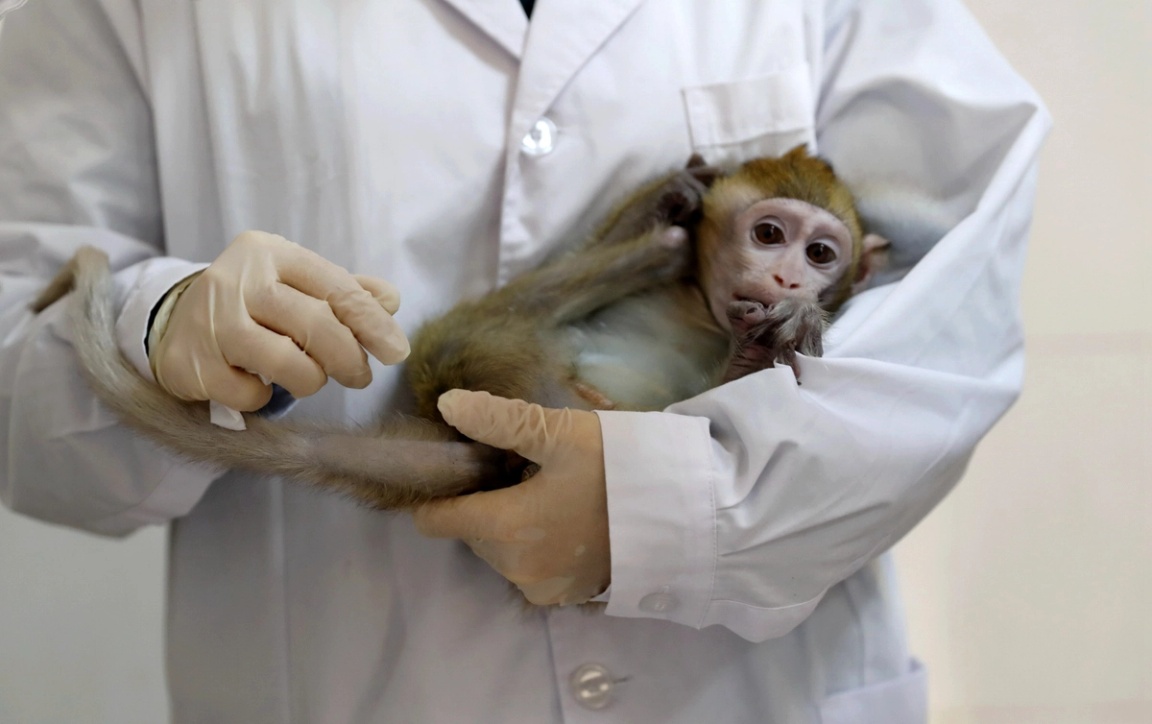 China Daily via Reuters China Daily via ReutersThe price of lab monkeys in China surged to a five-year high, delaying some drug trials, as the country’s biotech boom runs into resource constraints. The primates are raised for at least four years before being used in trials, and breeders did not increase their populations during an investment downturn in 2023. But Chinese companies inked a record number of licensing deals with foreign drugmakers in 2025 — worth more than $123 billion — accelerating research, meaning “monkey supplies are limited” a UBS analyst told the Financial Times. Global investors are now more trusting of data from Chinese clinical trials, Reuters wrote, but geopolitics could come in the way: US lawmakers recently passed new rules targeting Chinese biotech firms. |
|
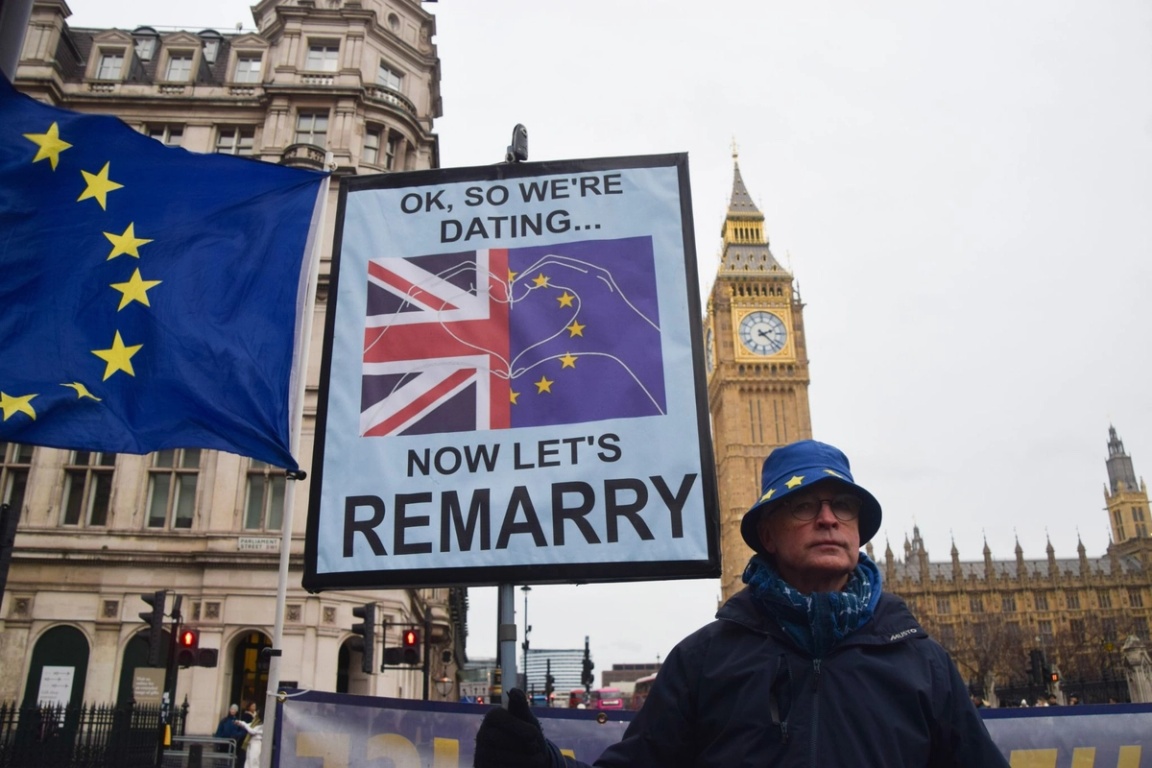 Vuk Valcic/SOPA Images/LightRocket via Getty Images Vuk Valcic/SOPA Images/LightRocket via Getty ImagesUK Prime Minister Keir Starmer has pivoted toward restoring the country’s ties to the EU. In a major speech Saturday, he called for “closer alignment” with the bloc’s single market, which Britain quit after Brexit, and said it was in the “national interest” to have a closer relationship. Migration was a major driver of the Brexit vote, but the number of non-EU arrivals surged after Britain left, reducing the salience of EU migration, and trade barriers have hurt the British economy. Accordingly, polls suggest a majority would back rejoining the single market even if it meant a return to freedom of movement with EU countries, and most think Brexit was a mistake and a failure. |
|
Water levels rising in Kenya |
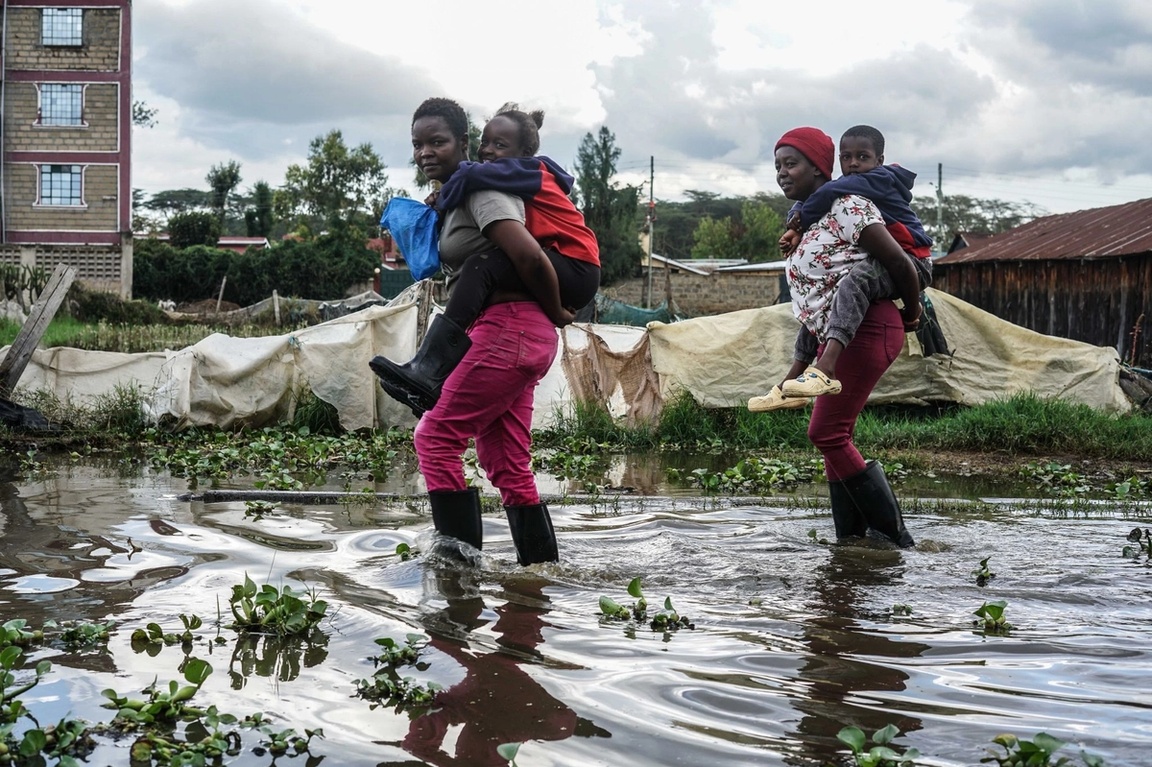 James Wakibia/SOPA Images/LightRocket via Getty Images James Wakibia/SOPA Images/LightRocket via Getty ImagesWater levels in Kenyan lakes have been rising, displacing tens of thousands and devastating agriculture. While climate change causes desertification elsewhere, shifting rainfall patterns — among other factors — have caused Lakes Baringo, Nakuru, Naivasha, and Turkana in the Rift Valley to rise for 15 years. Across East Africa, lake areas have increased by 27,730 square miles since 2011, resulting in 75,000 losing their homes. In Baringo, a settlement remains submerged since the water levels rose suddenly in 2021, and around Naivasha, local farms have been swallowed. The lakes have risen in the past, The Associated Press reported, but “that’s little consolation for [displaced people who] now cannot go home without risking confrontations with hippopotamuses.” |
|
 Jan. 6: - US-mediated discussions between Syria and Israel resume in Paris.
- Leaders of the pro-Ukraine “coalition of the willing” member states meet with Ukrainian President Volodymyr Zelenskyy in Paris.
- The US marks five years since the deadly Jan. 6, 2021 Capitol riots.
|
|
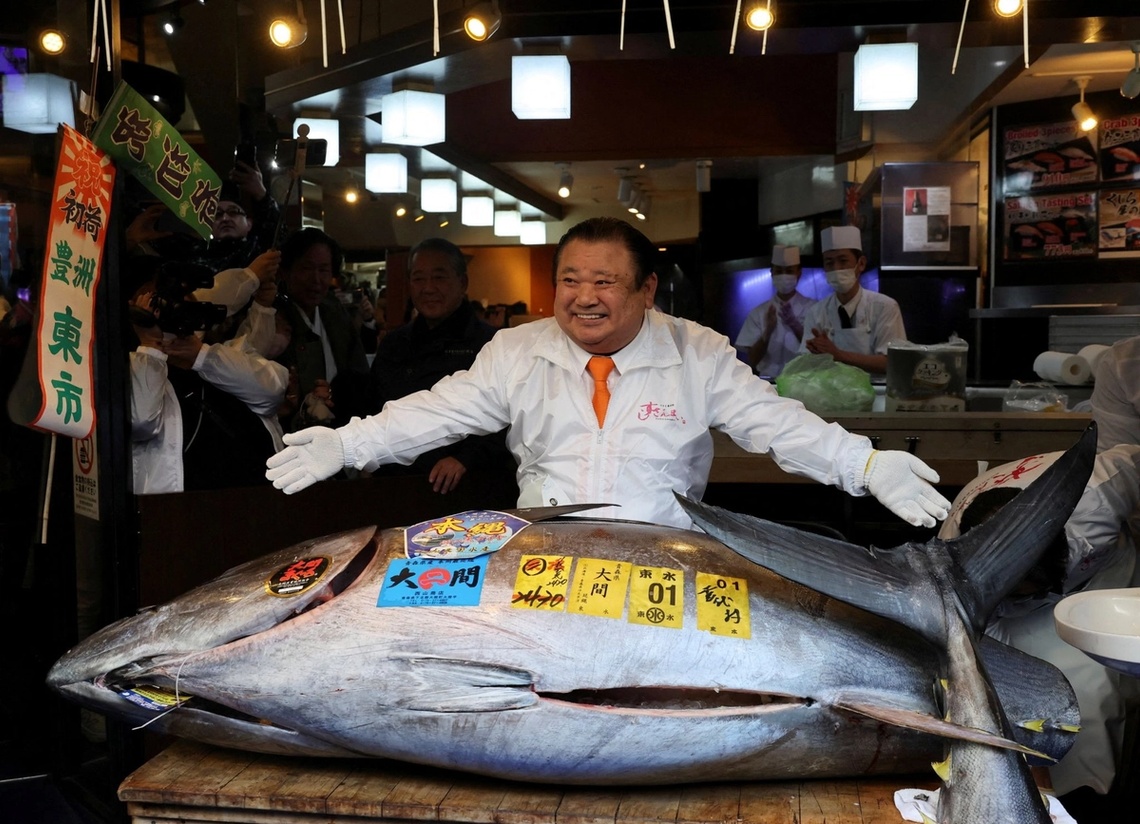 Kim Kyung-Hoon/Reuters Kim Kyung-Hoon/ReutersA 535-pound tuna sold for $3.24 million at Tokyo’s Toyosu fish market on Monday, setting a new record. The fish was caught off Oma, a town in Japan’s north renowned for its tuna production, and purchased by Kiyoshi Kimura, the owner of the popular Sushizanmai restaurant chain. Despite the fish’s extraordinary provenance, Kimura plans to sell the tuna at the chain’s usual price so that “people all over Japan can enjoy a bite of it and feel revitalized,” he said. The “tuna king” also told reporters that his winning bid, which broke the record he previously set in 2019, came in higher than expected. “But when I see a good-looking tuna, I cannot resist.” |
|
| |