| | Washington steps up pressure on Greenland, Venezuela offers oil to the US, and Bollywood embraces AI͏ ͏ ͏ ͏ ͏ ͏ |
| |  | Flagship |  |
| |
|
The World Today | 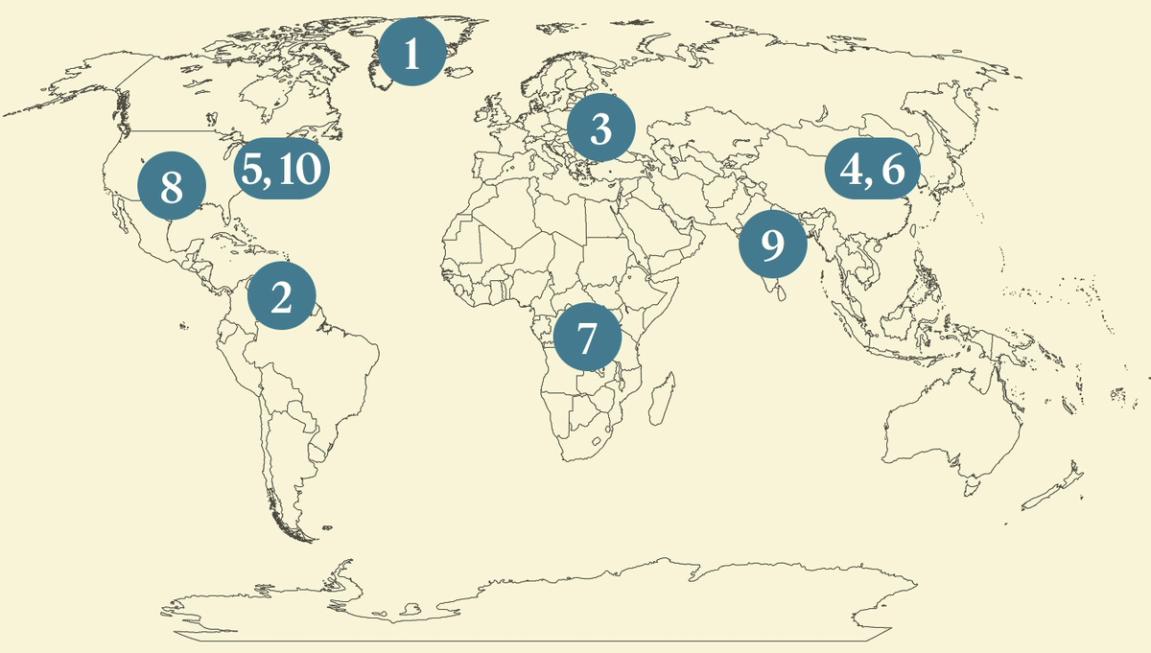 - US ups Greenland threats
- Venezuela offers oil to US
- EU pledges troops for Kyiv
- A return to multipolarity
- Trump targets midterms
- China’s fiscal stimulus
- Copper surge boosts Africa
- Grok nudity sparks backlash
- Bollywood’s AI drive
- Niche brands on rise
 A bleak but mesmerizing film from the late Hungarian director Béla Tarr. |
|
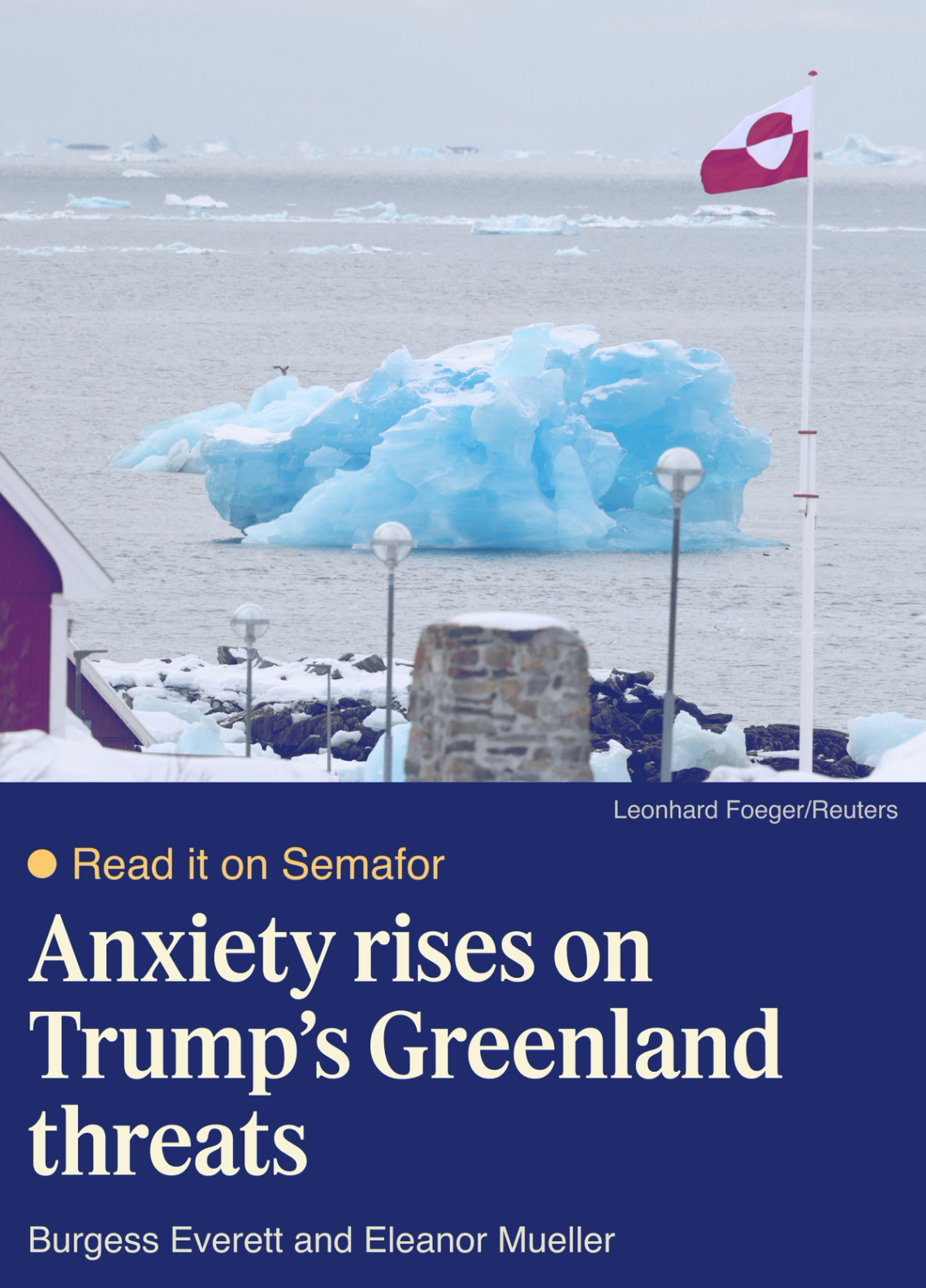
US seeks to buy — or take — Greenland |
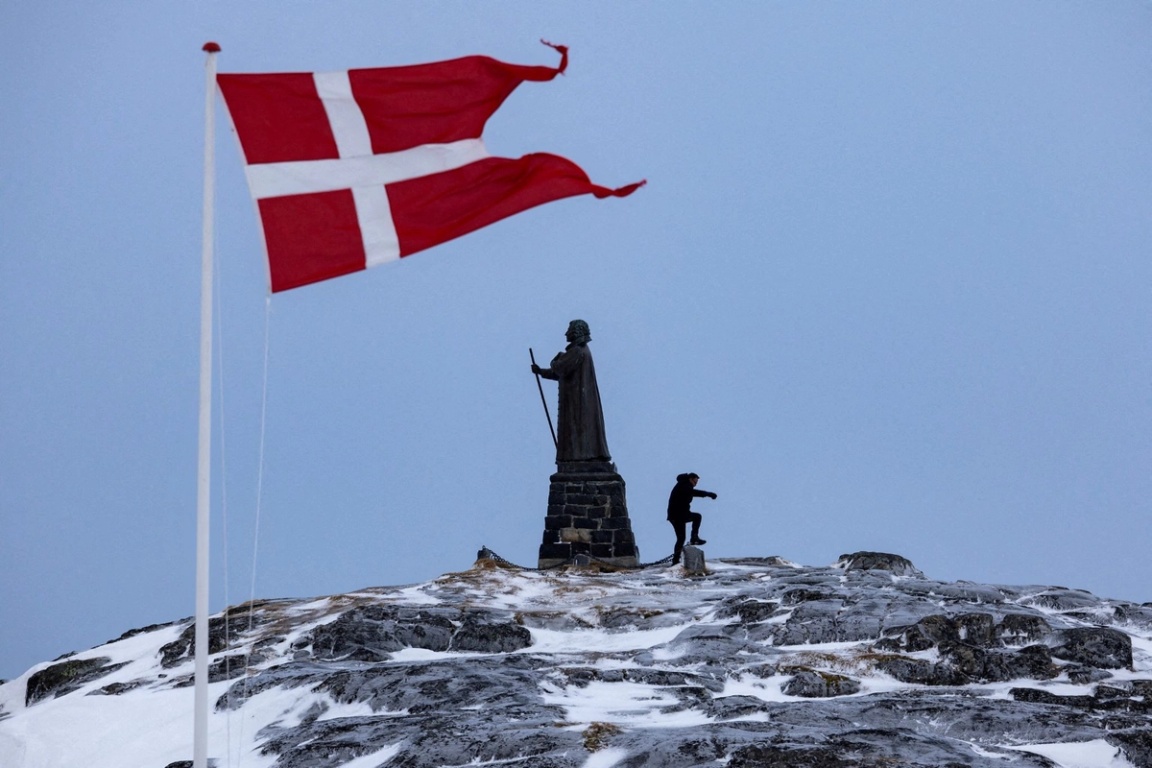 Marko Djurica/File Photo/Reuters Marko Djurica/File Photo/ReutersUS leaders stepped up pressure to annex Greenland, raising the prospect of using financial or military means to take control of the Danish territory. The various remarks by the White House press secretary and the US secretary of state, as well as several lawmakers, came after European leaders voiced solidarity with Copenhagen, which has sought to repel US demands. Washington’s campaign, on the heels of its shock ousting of Venezuela’s leader, illustrates a stark geopolitical shift: Where once the US was at least the rhetorical backer of a liberal, rules-based international order, the world is now one “that is governed by strength, that is governed by force, that is governed by power,” a senior Trump administration aide told CNN. |
|
Venezuela agrees to give oil to US |
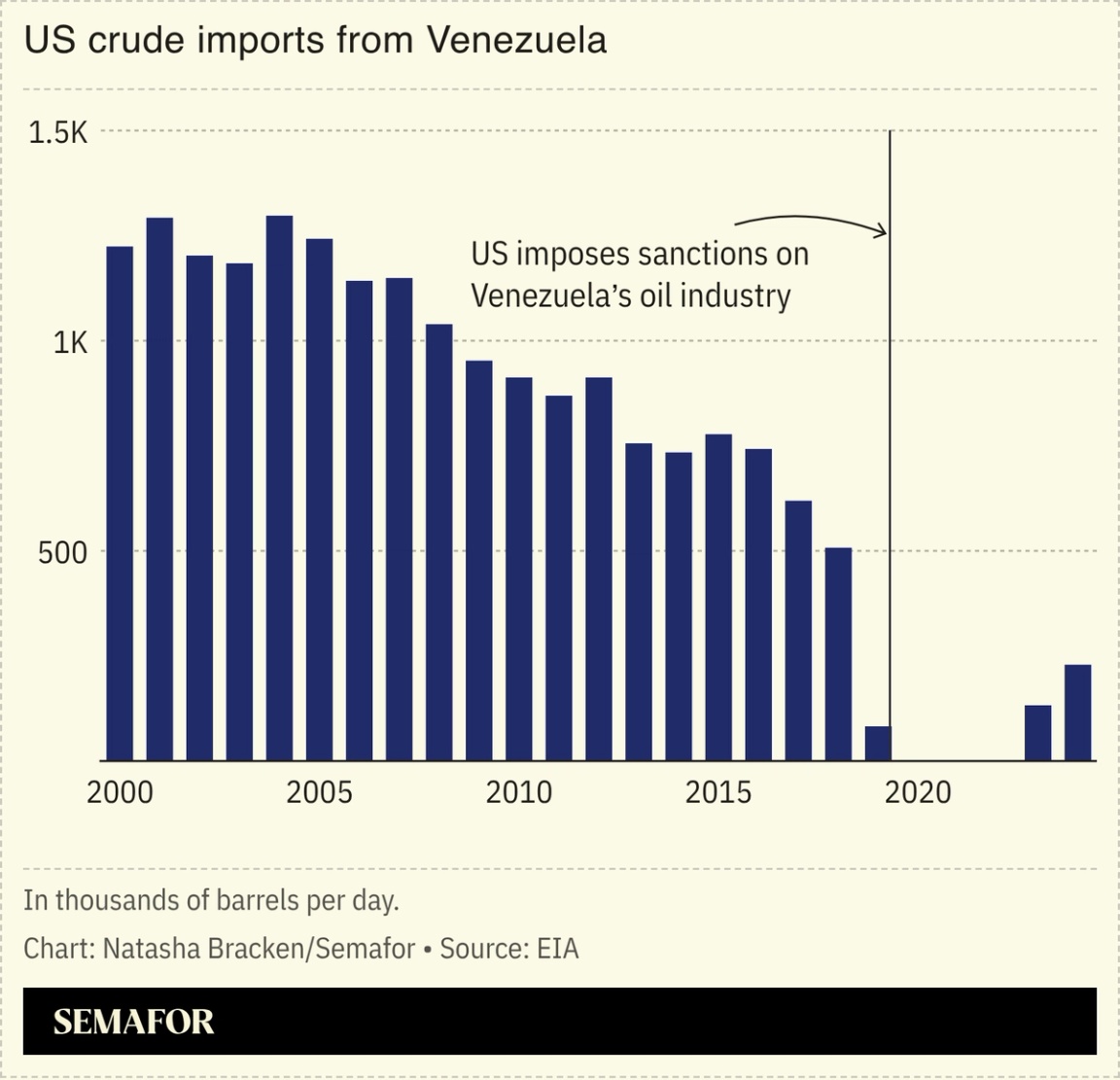 US President Donald Trump said Venezuela will hand over up to 50 million barrels of oil, the latest sign of the new leadership in Caracas seeking to assuage the White House. Venezuela’s government has criticized the Trump administration after the US captured its leader Nicolás Maduro to stand trial on narco-trafficking charges, yet has also taken conciliatory steps: Along with the oil-sale deal, the country’s new president Delcy Rodríguez is open to granting US companies rights to explore Venezuela’s oil fields. But Rodríguez faces pressure from a regime that has long opposed the US and which is mostly still intact. “She’s sandwiched between US firepower and Venezuelan firepower,” one expert told The Wall Street Journal. “She can’t kowtow too much.” |
|
European troops for Ukraine peace |
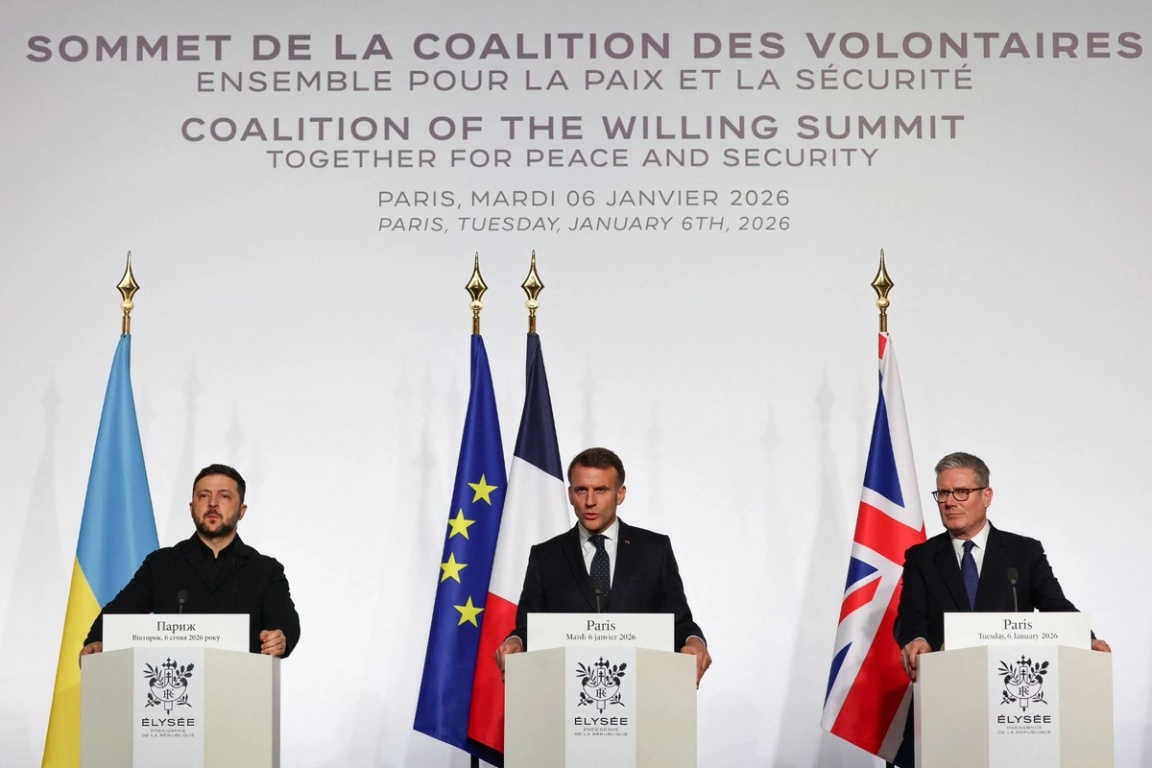 Ludovic Marin/Pool via Reuters Ludovic Marin/Pool via ReutersEuropean powers agreed to put boots on the ground to defend Ukraine as part of a proposed peace deal. Britain and France would establish military bases in Ukraine, while the US offered satellite and drone monitoring to detect any ceasefire breaches. European leaders touted the pledge as a diplomatic breakthrough, and framed Washington’s willingness to participate as a significant convergence of US and EU positions after months of tensions. But progress may be limited: Moscow has already rejected the idea of European troops on Ukrainian soil, and the agreement says a response “may include” military action, rather than promising it. “It’s Article 5 lite, not Article 5-like,” Euractiv said, referring to the NATO guarantee of mutual defense. |
|
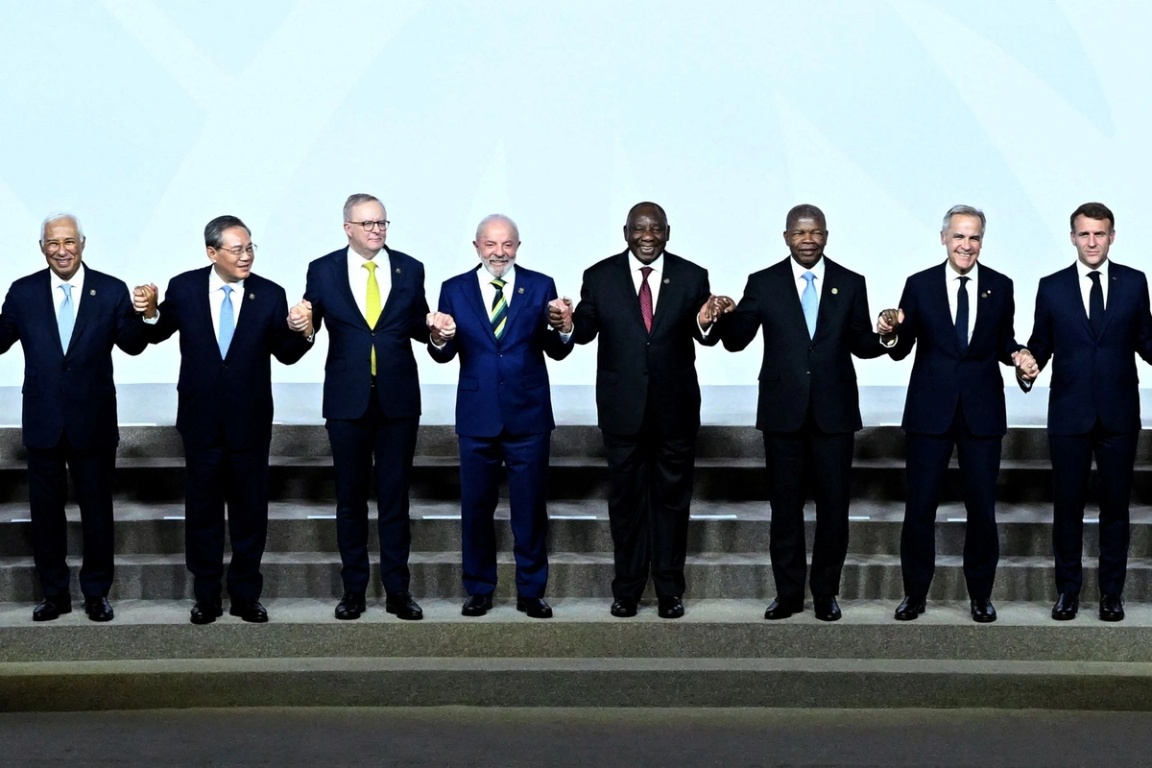 Leon Neal/Pool via Reuters Leon Neal/Pool via ReutersThe world is increasingly multipolar, meaning that the best historical analogy for our current time is 1913, rather than the Cold War, a leading historian argued. Odd Arne Westad, a specialist in Asian history, told the Foreign Affairs podcast that the rise of China has driven comparisons with the post-World War II US rivalry with the USSR. But, he said, the Soviet Union deliberately self-isolated, making it easy for the US to cut it out of the process of globalization. Pre-World War I, though, Britain was the preeminent but not dominant power, and its rivals were challenging it on trade and diplomacy, as well as in military might and imperial ambitions, much as China is challenging the US now. |
|
Trump tackles affordability |
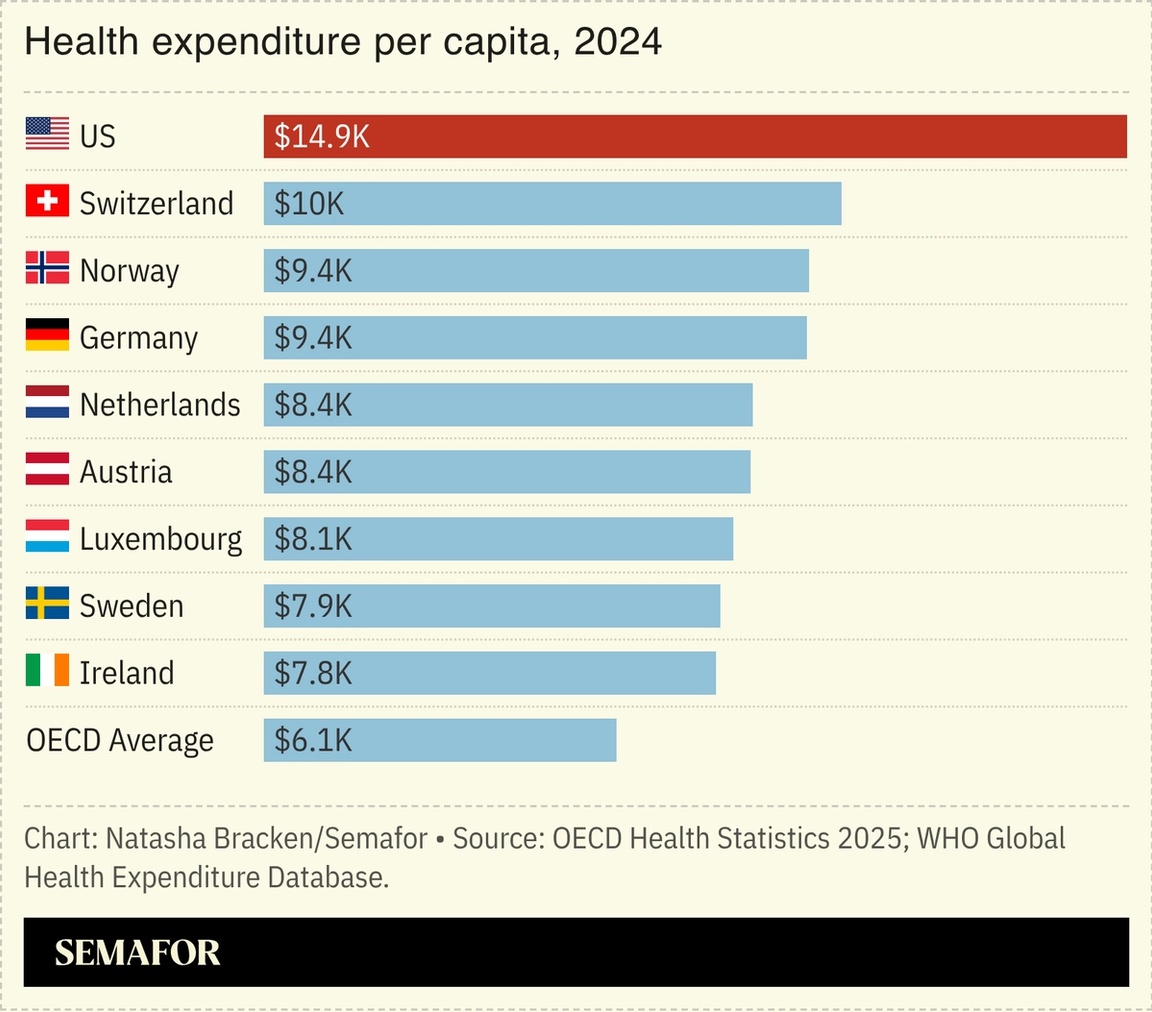 US President Donald Trump urged Republicans to tackle rising health care costs while Democrats unveiled a push on cheaper housing, a sign that upcoming midterm elections will likely focus on affordability. The GOP faces an uphill battle holding its narrow House majority after the expiry of popular Obama-era tax credits pushed prescription drug prices up, part of a wider affordability problem hitting the party’s poll numbers; Semafor’s politics team reports today that some Republicans want to steer their party back to the issue rather than discussing upheaval in Venezuela. Trump believes the stakes are high for him: He told lawmakers he would be impeached again if Democrats won, and floated, then dismissed, the possibility of canceling the elections altogether. |
|
China vows support for provinces |
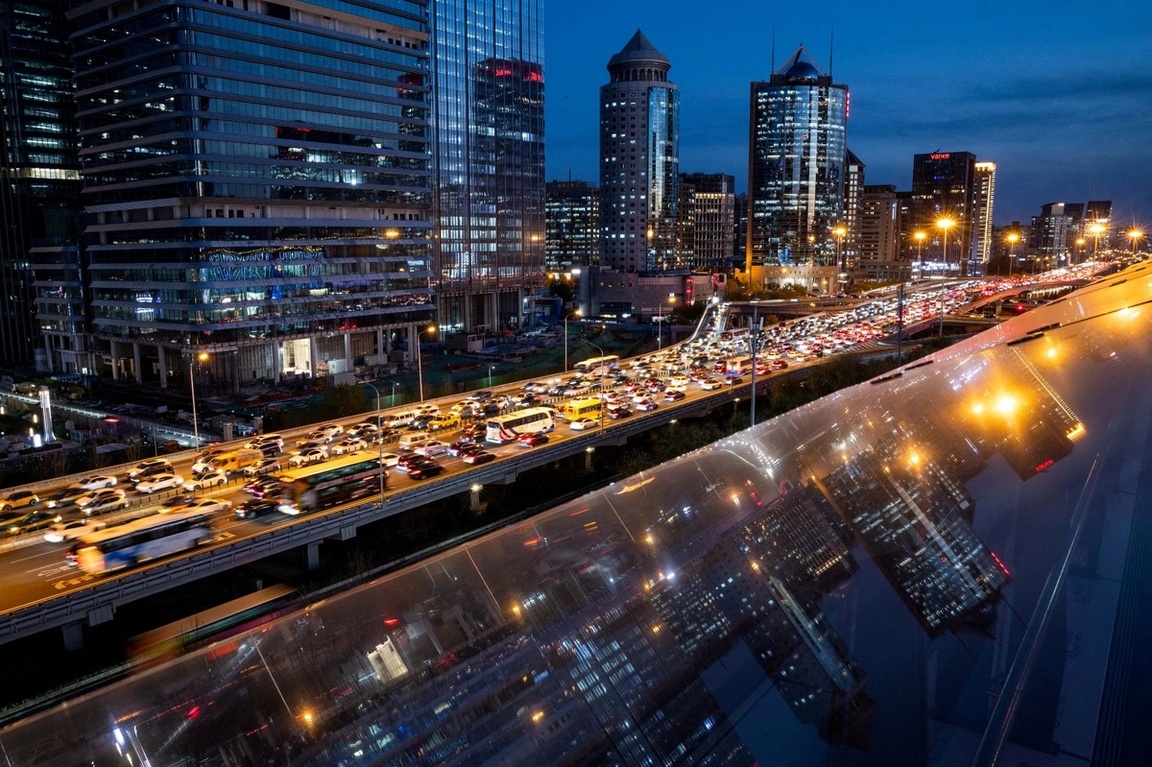 Maxim Shemetov/Reuters Maxim Shemetov/ReutersChina pledged fiscal support for its debt-saddled local governments, but analysts said the stimulus may not be enough to shift forecasts for growth in the world’s second-biggest economy. The finance ministry indicated it would expand central government bond issuance and bolster transfers to provincial authorities, though it was unclear if the overall scale of the fiscal effort would be markedly different from one undertaken in 2025. China’s provinces are grappling with mountains of debt driven in part by huge overinvestment in infrastructure and a massive expansion of spending during the pandemic. The latest measures will “partially alleviate local fiscal pressures, but are insufficient to fully reverse local government austerity,” analysts at the research firm Trivium wrote. |
|
Copper futures surge to record |
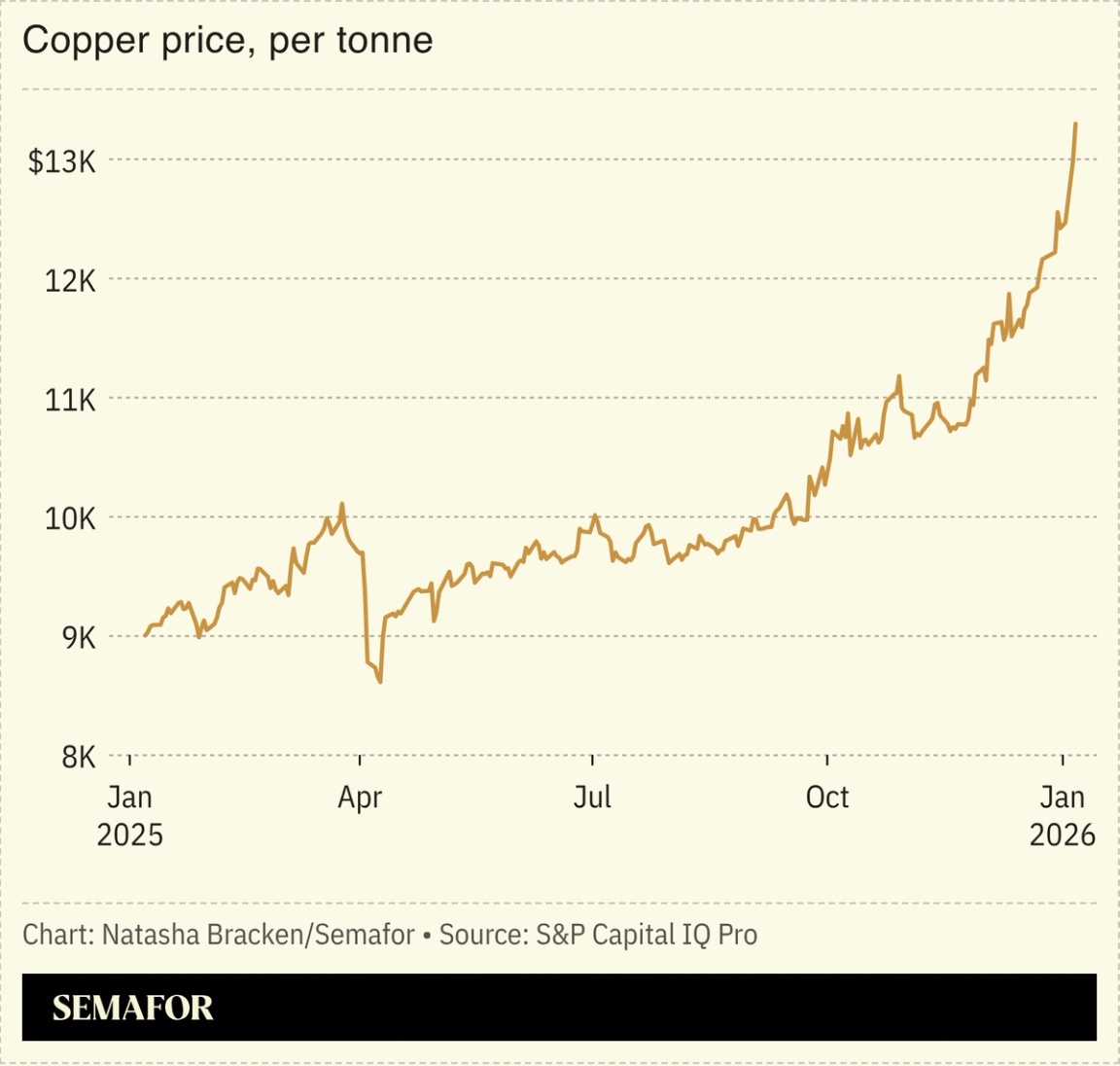 Copper futures surged to a record high, driving revenues for African producers in particular. The Democratic Republic of Congo, which has tripled output in the last decade to become the world’s second-largest copper supplier after Chile, has seen its currency leap 28% against the dollar over the last year, while Zambia, also racing to boost copper mining, saw similar gains. Copper is vital for new technologies, from data centers to electric vehicles, and supply growth is slow, because opening mines can take decades. Copper is key to African growth, Business Insider Africa reported, but the continent faces a familiar, and regularly unmet, challenge of ensuring that populations share the proceeds. |
|
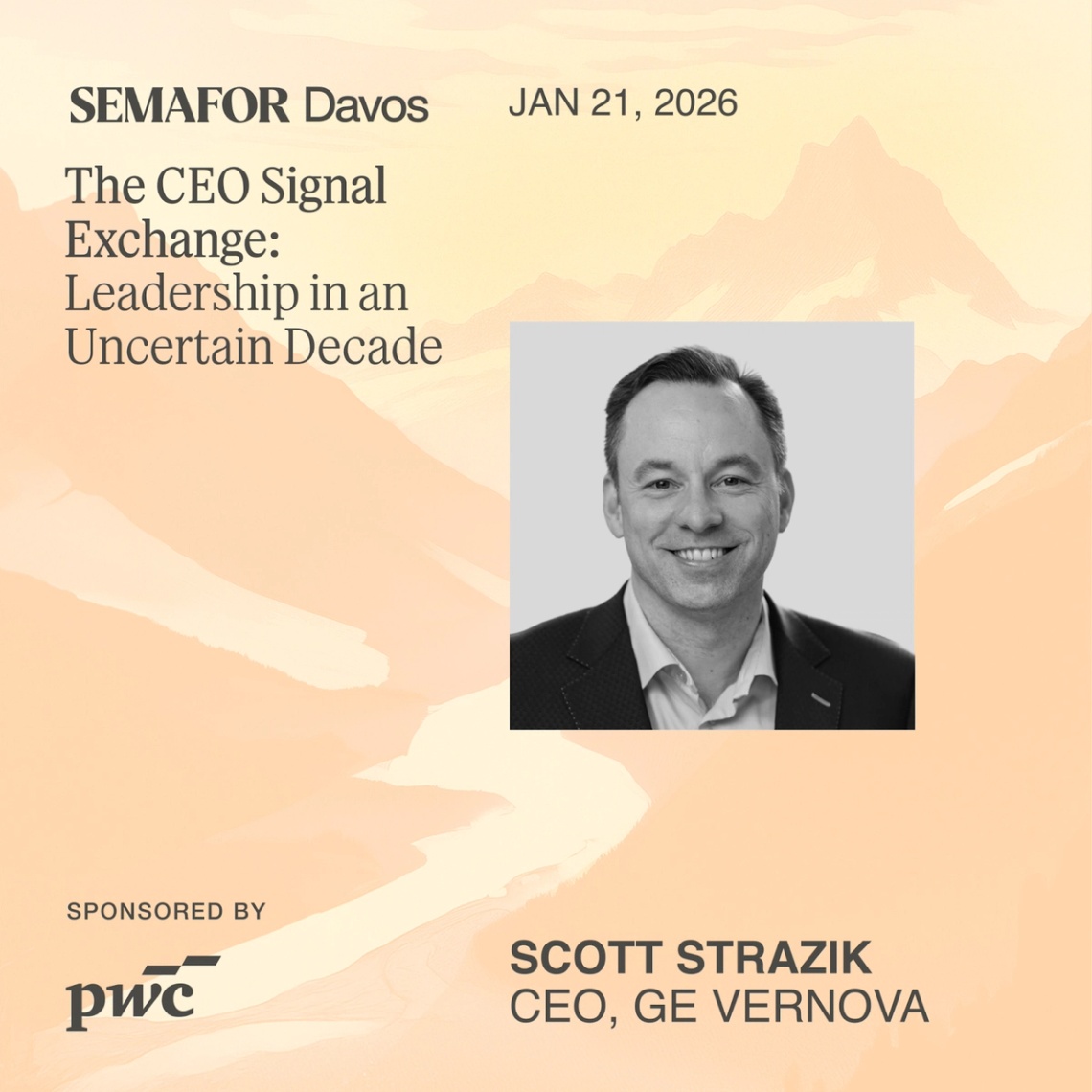 From geopolitical shocks, to climate volatility, and disruptive technologies, today’s business environment is increasingly unpredictable. As public trust frays, CEOs are being pushed to lead with clarity under pressure. Semafor CEO Signal Editor Andrew Edgecliffe-Johnson will sit down with global leaders, including GE Vernova CEO Scott Strazik, on Wednesday, Jan. 21, in Davos to examine how executives are resetting priorities, reassessing risk, and redefining resilience. Jan. 21 | Davos | Request Invitation |
|
Grok under fire for sexual images |
 Dado Ruvic/Illustration/Reuters Dado Ruvic/Illustration/ReutersThe Elon Musk-backed AI chatbot Grok sparked backlash from governments around the world for producing sexualized images of women and children. Outlets reported several examples of “undressing” content on X, in which the chatbot created altered images of real people, putting them in revealing clothes or sexual situations. The EU and UK both said they were looking into the matter, as were authorities in India and Malaysia, and Musk warned that anyone generating child sexual abuse material would “suffer the same consequences” as if they uploaded it themselves. Most chatbots limit the creation of adult material, but Musk has sold Grok as an edgier, less restricted alternative, and it includes a “spicy mode.” |
|
 Francis Mascarenhas/Reuters Francis Mascarenhas/ReutersBollywood is embracing AI tools for moviemaking at a much faster pace than Hollywood producers. US actors and writers have resisted AI, even going on strike two years ago over its use. But India’s film industry is less worried. Established directors use AI for visual effects and storyboarding, while up-and-coming ones are trialing it to make entire films for a fraction of the usual cost. One 75-minute feature, Naisha, was 95% AI-generated — including its titular heroine — on a budget 15% that of a traditional Bollywood film. Not all filmmakers are happy: One told the BBC that AI “cannot create mystery, feel fear or love,” and others said the tools are trained on Western imagery, so often get Indian aesthetics wrong. |
|
Niche logos overtake big-name brands |
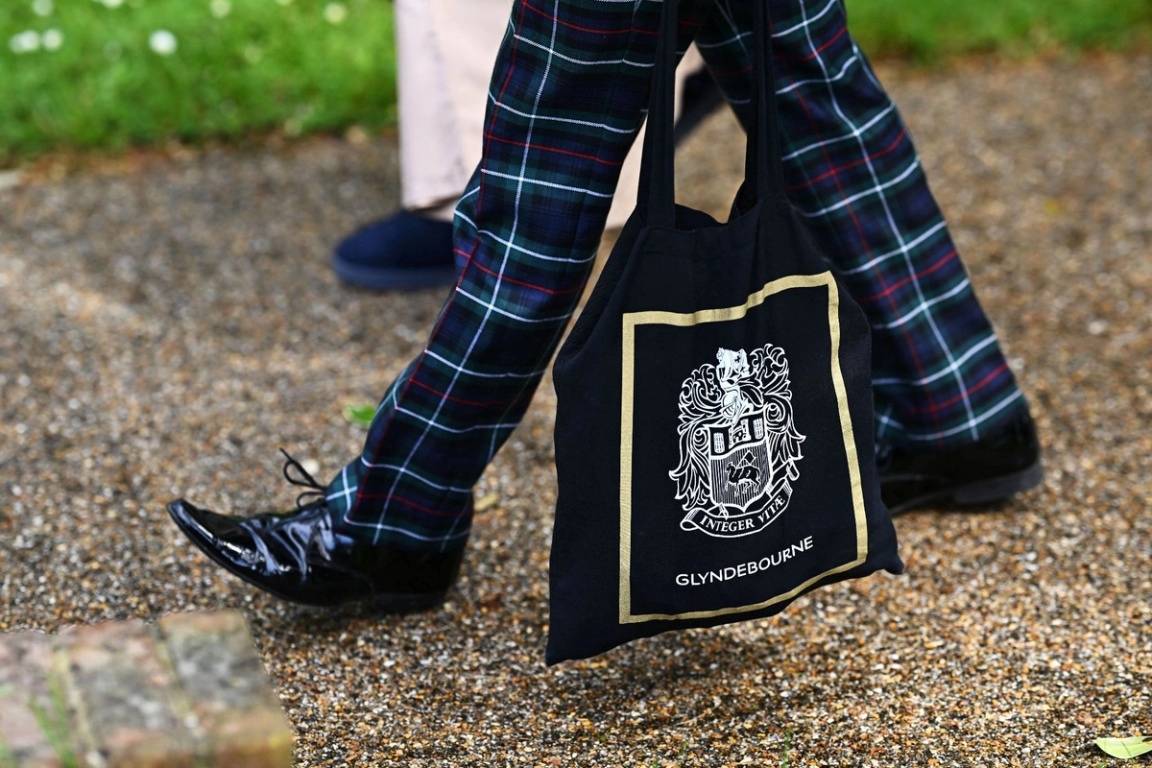 Dylan Martinez/Reuters Dylan Martinez/ReutersThe “logomania” that dominated the 2010s is pivoting from clothes loudly advertising large luxury fashion houses to more niche labels, especially among Gen-Z shoppers seeking to display hard-to-get cachet. Multiple outlets have reported on the growing international popularity of tote bags featuring Trader Joe’s branding, but the trend extends beyond the US grocery chain, Business of Fashion noted: Many shoppers are brandishing merchandise from their local coffee shop, a hotel they stayed at, or a lesser-known designer, while influencers are increasingly selling products carrying catchphrases that only followers will understand. “It’s almost a rebellion against authority,” the director of New York University’s luxury and retail MBA program told BoF. |
|
 - EU agriculture ministers convene for last-minute talks to salvage a long-proposed trade deal with South America’s biggest trading bloc.
- Türkiye’s president hosts Malaysia’s prime minister in Ankara.
- The funeral of French film icon Brigitte Bardot, who died late last year, will be held in Saint-Tropez, France.
|
|
 Werckmeister Harmonies, directed by Béla Tarr. The admired Hungarian director died this week, aged 70; his movies are darkly comic, slow-moving, and difficult. This film, from 2000, is “is maddening if you are not in sympathy with it, mesmerizing if you are,” Roger Ebert wrote in 2007. Filmed in black and white, with just 39 shots in 145 minutes, it is “doom-laded, filled with silence and sadness.” If that sounds like too much fun for you, remember that Tarr said “I despise stories, as they mislead people into believing that something has happened.” Perhaps not one for fans of Michael Bay’s oeuvre. Stream Werckmeister Harmonies, if you can face it, where you are. |
|
| |