| | The US seizes a Russian-flagged oil tanker, a massive Alaska Airlines order fuels Boeing’s turnaroun͏ ͏ ͏ ͏ ͏ ͏ |
| |  | Flagship |  |
| |
|
The World Today | 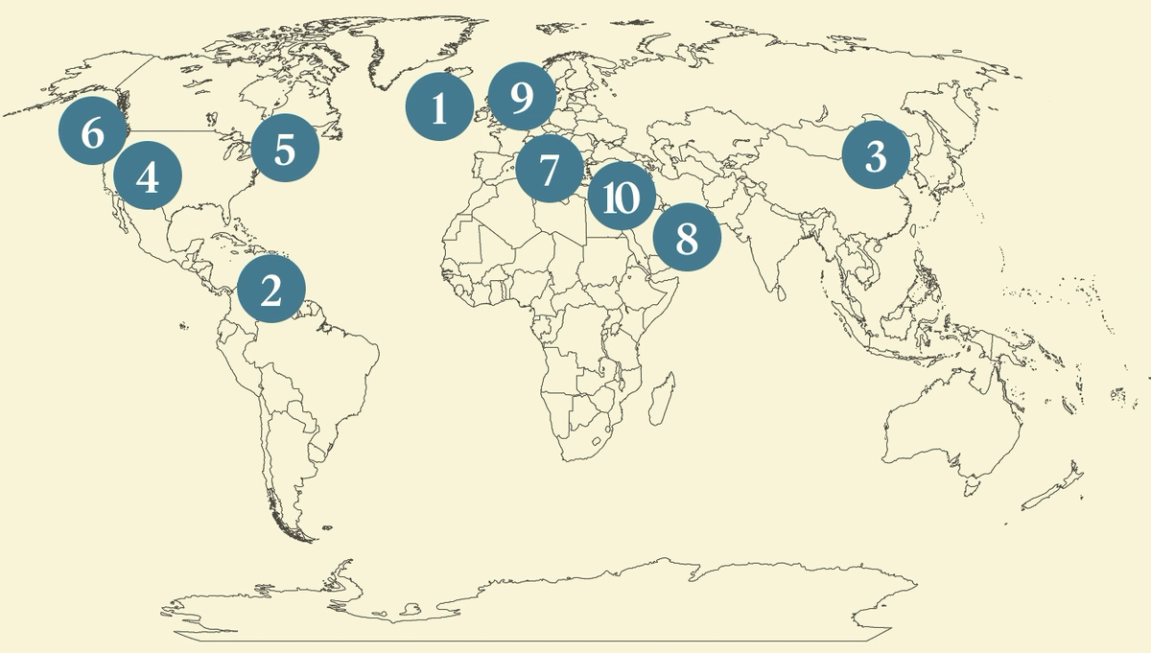 - US seizes more oil tankers
- Stephen Miller’s ascent
- Beijing ups US tech scrutiny
- Chinese humanoids at CES
- US labor momentum slows
- Boeing sees turnaround
- Meloni’s electoral plans
- Middle East energy pacts
- Data centers get glow-ups
- Jellyfish: They’re just like us
 The “ordinary” Quran behind a historic moment. |
|
US seizes two more oil tankers |
 US European Command via X/Handout via Reuters US European Command via X/Handout via ReutersThe US military on Wednesday seized a Russian-flagged oil tanker accused of evading a naval blockade around Venezuela, a move that is sure to rankle Moscow. Sanctioned tankers have been trying to get around the US’ oil embargo en masse; American forces also apprehended a second “stateless, sanctioned” tanker on Wednesday. The unilateral interceptions could complicate Ukraine peace talks between the US and Russia, which is said to use a fleet of shadow tankers to circumvent Western sanctions. The flare-up comes after US President Donald Trump said Caracas will hand over millions of barrels of oil; Trump has also reportedly demanded Venezuela kick out and sever ties with China, Russia, Iran, and Cuba. |
|
Stephen Miller’s influence swells |
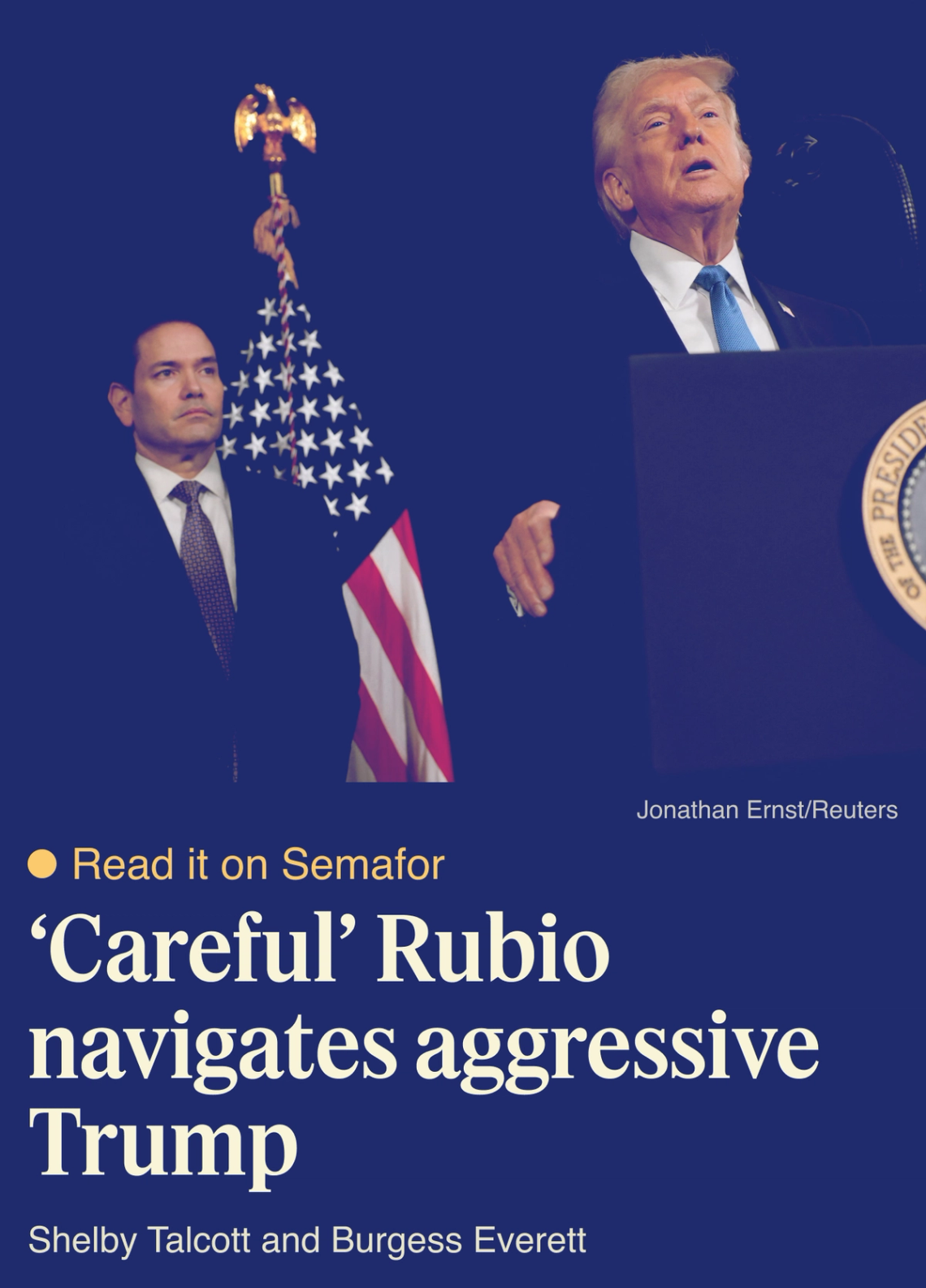
 Brian Snyder/Reuters Brian Snyder/ReutersUS President Donald Trump’s expansionist ambitions reflect the ascendance of his top aide Stephen Miller. Central to the capture of Venezuela’s Nicolás Maduro, Miller now has his sights set on annexing Greenland. Miller, also the architect of Trump’s deportation agenda, acts “as an accelerant for the president’s most incendiary impulses,” The Atlantic wrote. His official titles belie his sweeping powers — one ally called him Trump’s “prime minister” — as he uses “creative… interpretations of statutes” to enact the president’s agenda. Miller this week said the US military could seize Greenland without a fight, underscoring his belief that “using brute force… is the Trump administration’s preferred way to conduct itself on the world stage,” The New York Times wrote. |
|
US-China tech ties in crosshairs |
 H200. Nvidia H200. NvidiaChina is heightening scrutiny over tech deals involving US companies as Beijing ramps up domestic industries. The government this week asked Chinese tech firms to temporarily halt orders of Nvidia’s H200 AI chips, The Information reported, about a month after the White House OK’d exports of the powerful processors: In considering whether to allow the sales, China is trying to balance AI development with its push for chip self-sufficiency. Beijing is also reportedly reviewing Meta’s plan to buy Chinese-founded AI startup Manus. The probe could throw cold water on the idea that the acquisition would serve as a template for US investors and Chinese founders, a prominent China-watcher wrote. |
|
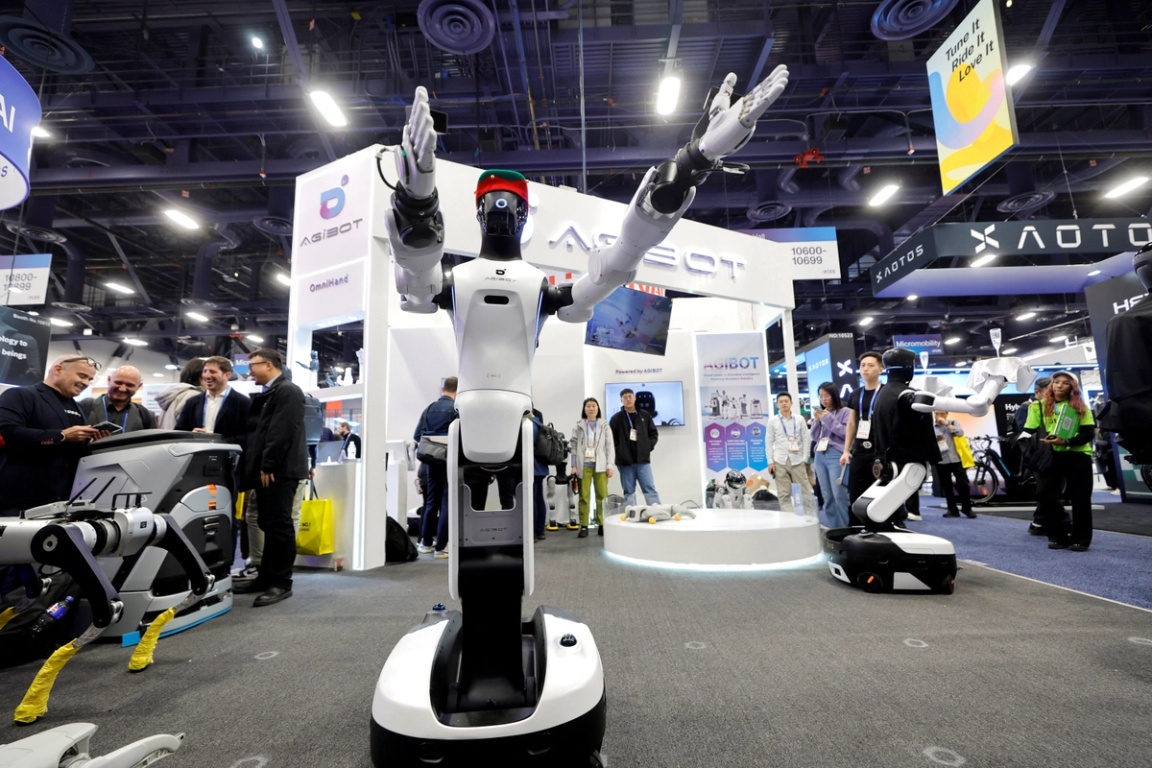
Chinese robots on display at CES |
|
US labor momentum sluggish |
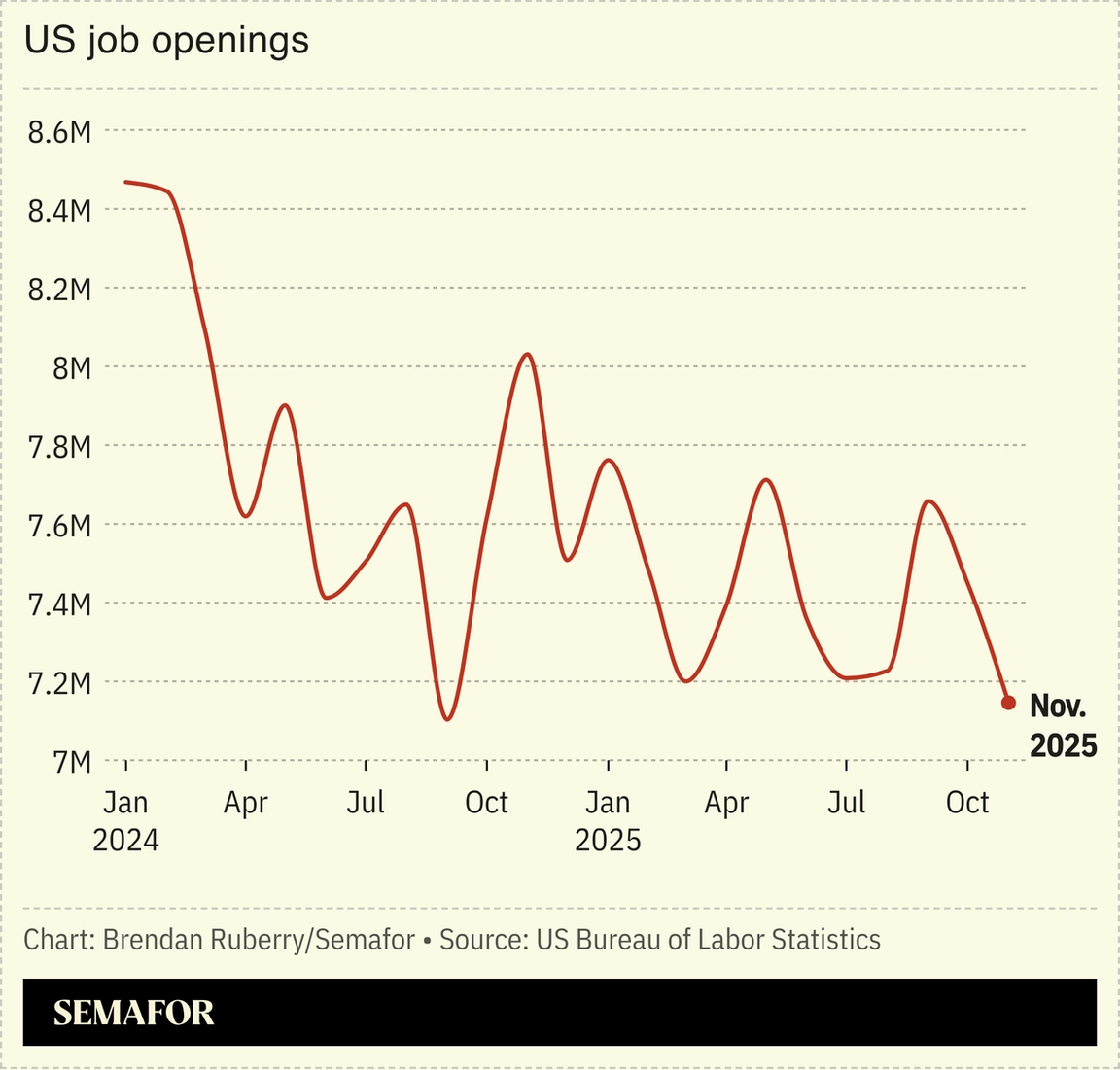 Two reports on Wednesday painted a portrait of a cautious and fracturing US labor market. Government data showed hiring slowed in November and the number of available jobs fell to a more than one-year low, while layoffs slowed — suggesting employers aren’t eager to make dramatic changes to their headcount. And a report from ADP found white-collar jobs were hit especially hard last month, including professional and business services and the information sector. The US Federal Reserve cut interest rates last year to help shore up the job market; the central bank is likely to hold rates steady this month if a key monthly report on Friday shows the labor market is “bending but not breaking,” one economist wrote. |
|
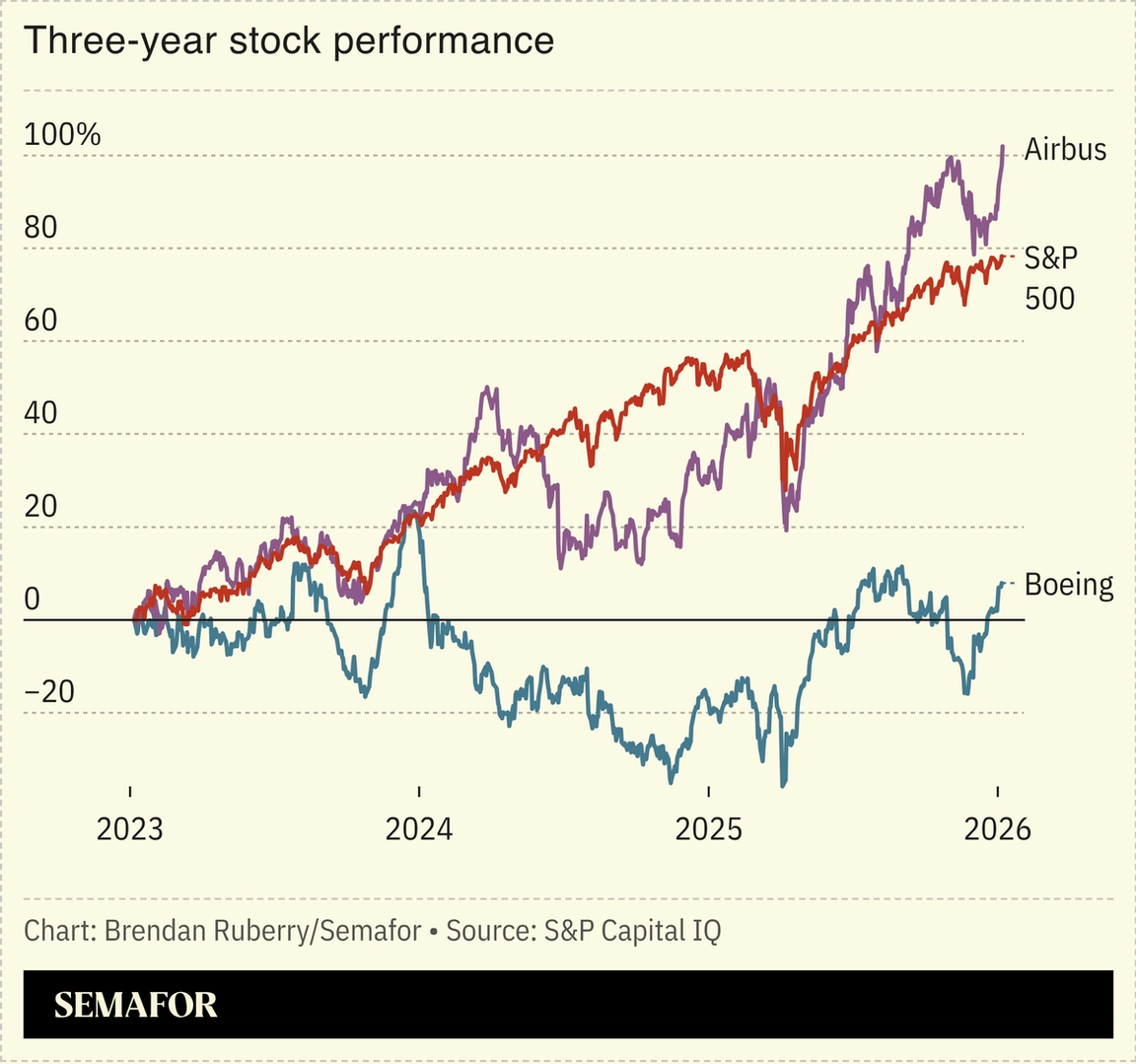
Alaska order adds to Boeing recovery |
|
Meloni weighs voting law change |
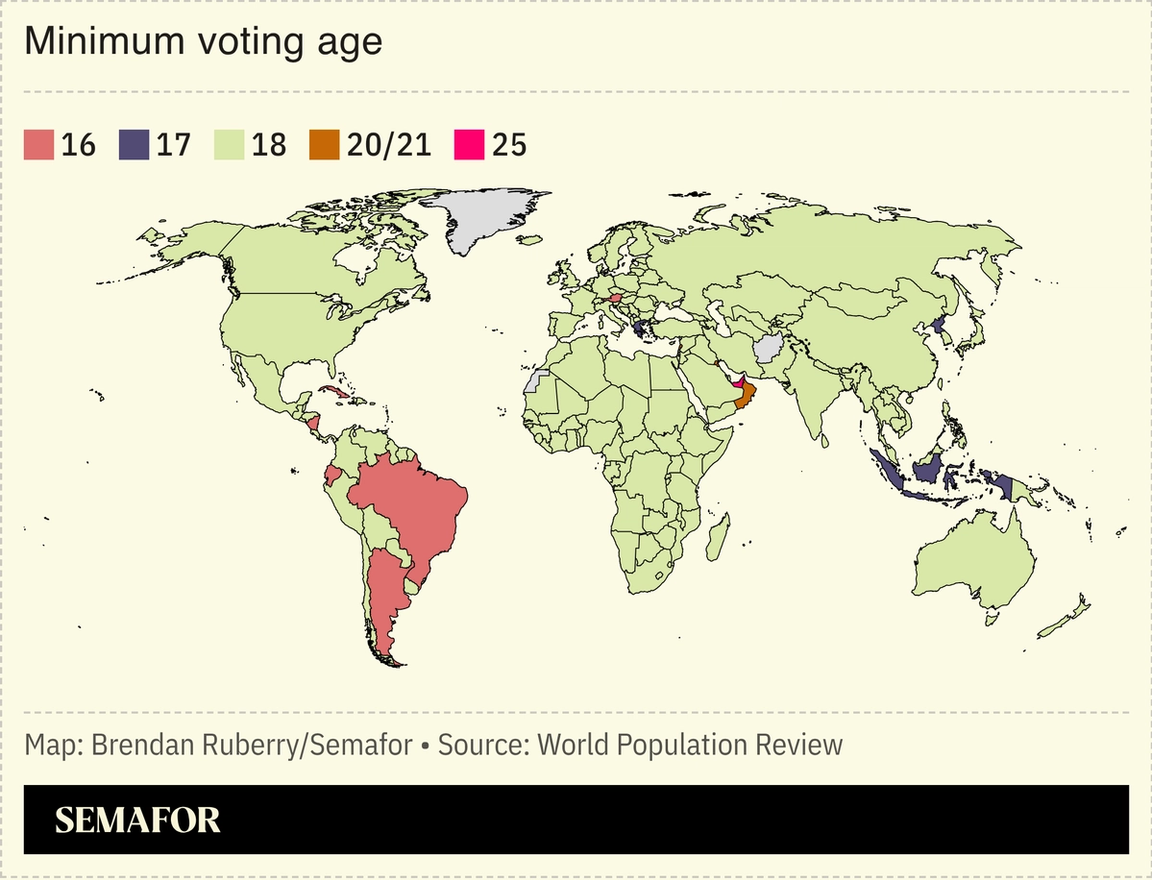 Italy’s ruling party plans to revamp the electoral system ahead of the 2027 elections. Prime Minister Giorgia Meloni’s Brothers of Italy wants to scrap first-past-the-post voting, a change that could help her party secure more parliament seats by hindering the prospects of a left-wing alliance. It would be Italy’s fifth election rule change since the 1990s, usually by governments favoring their own parties, the Financial Times noted. Other countries have made similar partisan changes: In the UK, left-wing parties back lowering the voting age; right-wing parties back voter ID laws, which disproportionately affect left-wing voters. In the US, felon re-enfranchisement is a Democratic cause, and both parties manipulate electoral maps for efficient vote distribution. |
|
 Semafor is heading to Davos — where global leaders converge to strike deals, posture, and if we’re being honest, schmooze. Semafor will bring you the big ideas and behind-the-scenes chatter from the global village in Semafor Davos, your must-read guide. |
|
Energy needs reshape MidEast ties |
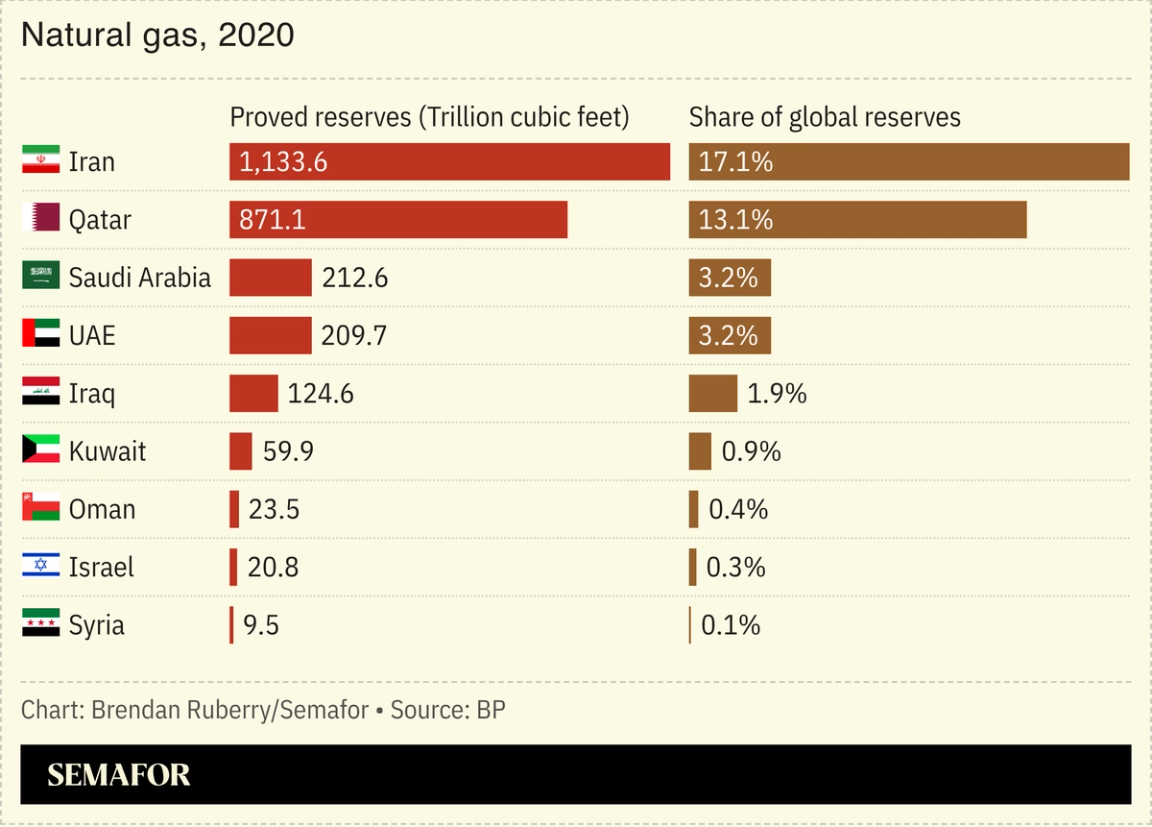 Energy needs are increasingly reshaping trade flows across the Middle East. More natural gas is flowing, even between countries that until recently had frosty relations. Qatar agreed to boost liquefied natural gas supplies and expand energy cooperation with Egypt, which this week said it would also supply gas to Syria. The pacts follow an agreement last month for Israel to export gas to Egypt until 2040. Taken together, Semafor’s Gulf briefing noted, the deals would have been unthinkable just a few years ago, when Cairo backed an embargo of Qatar and the former Syrian regime was a pariah. Once the new supplies begin, Israeli gas may indirectly fuel power plants in Syria. |
|
Data centers get makeovers |
 Artist’s rendering of data center in the Netherlands. Gensler Artist’s rendering of data center in the Netherlands. GenslerTech firms are tapping architects to beautify their data centers in response to swelling criticism from communities over the multiplying facilities. The buildings powering the AI boom are typically concrete behemoths with little architectural flair — an image fueling the global fury around the buildout across political lines. Renowned design firm Gensler said the number of employees working on data centers has jumped 40% annually, Semafor reported: It is making one facility in the Netherlands with vertical gardens. Another in Phoenix has a facade that is more modern art museum than metal warehouse. Architecture is increasingly seen as a relatively low-cost way for data centers to be neighborly, though pushback around their energy usage will likely persist. |
|
Jellyfish sleep for 8 hours, take naps |
 David W Cerny/Reuters David W Cerny/ReutersJellyfish sleep in a surprisingly human-like way, despite not having a central nervous system, suggesting that sleep predates the brain. Earlier research has shown that jellyfish enter sleep-like states, but the new research on the species Cassiopea andromeda found that they reduce activity and sensory responsiveness for about eight hours, mostly at night, with a midday “nap.” Similar results were seen in a species of sea anemone. Sleep exists throughout the animal kingdom despite leaving many vulnerable to attack, suggesting it plays vital biological roles. The new findings bolster a theory that sleep is vital to neurons themselves, giving them time to repair DNA damaged during wakefulness. “There is good evidence that sleep emerged with neurons,” one researcher told Nature. |
|
 Jan. 8: - Chinese tech firms Zhipu AI, Iluvatar CoreX, and Shenzhen Edge Medical debut on the Hong Kong Stock Exchange.
- Shell, Tesco, and TD Synnex report earnings.
- California Gov. Gavin Newsom delivers the State of the State address.
|
|
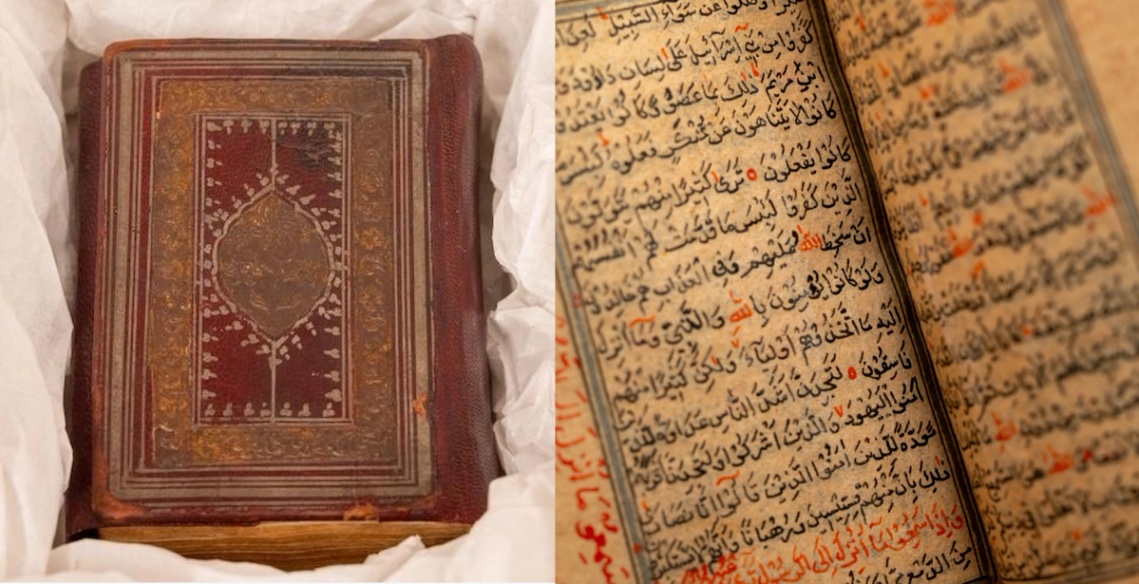 New York Public Library New York Public LibraryThe historic Quran used to swear in Zohran Mamdani as New York City’s first Muslim mayor went on display this week at the New York Public Library. Copied in Ottoman Syria during the late 18th or early 19th century, the Quran later belonged to Arturo Schomburg, a leading intellectual of the Harlem Renaissance and bibliophile whose extensive collection of African diasporic literature went on to become the Schomburg Center for Research in Black Culture at the NYPL’s Harlem branch. Exhibited as “the People’s Quran,” the book features no images, and script set down in black and, where structural divisions occur, red ink. “The absence of opulent illumination suggests it belonged to an ordinary reader,” the library wrote. |
|
| |