|
October 14, 2025 |
In partnership with |
|
|
The proposal sits in their inbox for three days. Then a week. Then comes the dreaded “we've decided to hold off for now” email. |
You know you can solve their problem. The pricing makes sense. But something invisible is blocking the sale. |
It's not your offer. You put in the work to build a great one. |
No, not the offer. It's the anxieties your buyer has, but won't say out loud. |
They're wondering if you'll actually deliver. Whether you're the right fit for their situation. If switching to you creates more headaches than it solves. |
These doubts don't show up in email threads or discovery calls, but they kill deals just the same. |
Without a chance to discuss it, you don’t have a chance to counter it. |
Thus, you need to build proof, clarity, and friction-reduction into every touchpoint, countering the objections before they tank your sale. |
In this newsletter: |
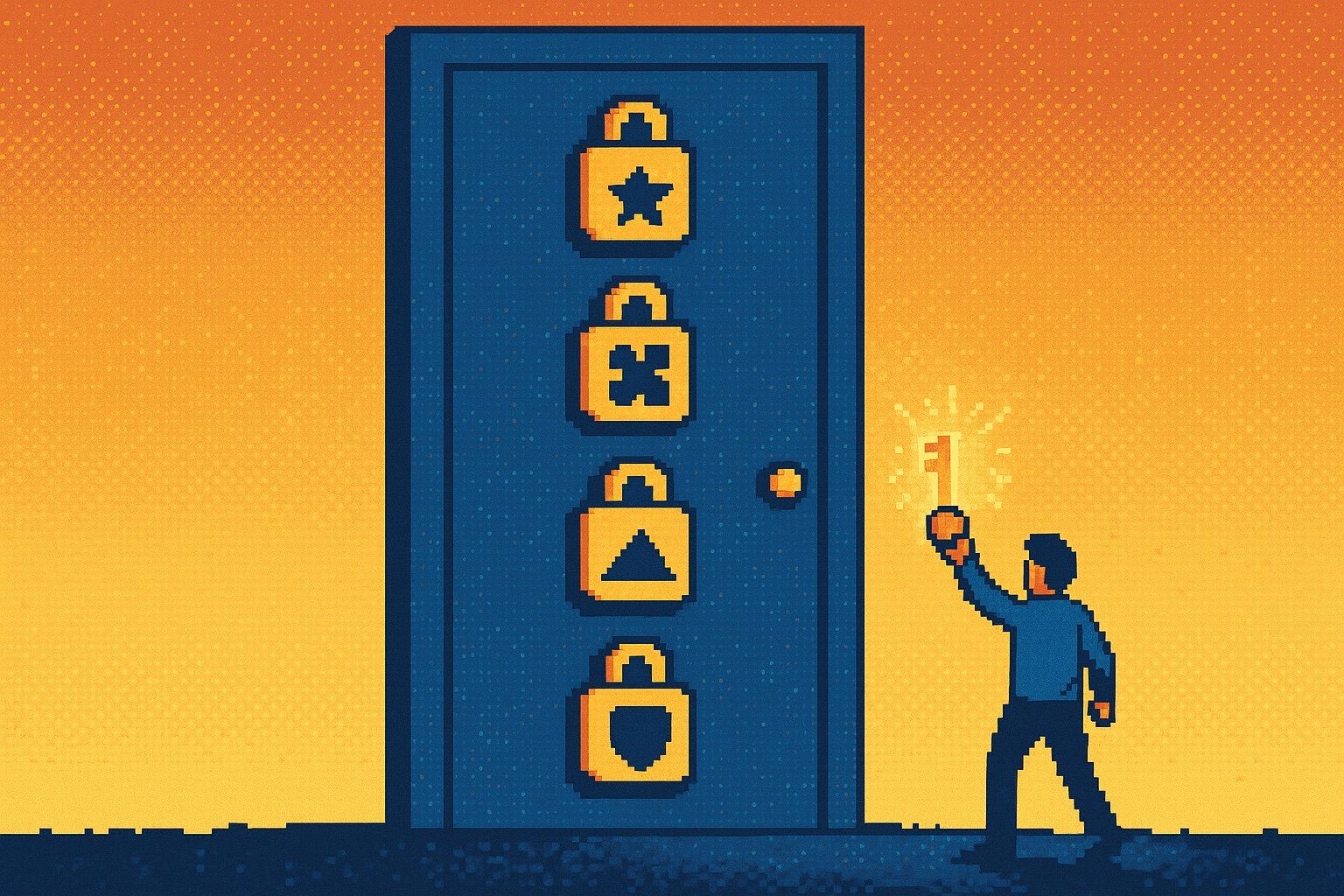
The four hidden anxieties stalling your deals How to preemptively address each one A quick audit of your buyer journey
|
|
|
AI on the Go? Yeah, Dell’s Got That |
|
The Dell Pro Max mobile lineup, built in collaboration with NVIDIA and powered by the RTX PRO GPUs, delivers desktop-level AI performance in a form you can actually take with you. From model training to deployment, you’ll move faster, experiment more, and work wherever you need to be. No bottlenecks, and no desk required. |
|
|
Weekly Insight |
|
When Derrick Reimer launched SavvyCal, he was entering a tightly held market. Calendly basically owned scheduling. While other competitors had years of head starts, bigger teams, and established user bases. |
Reimer had something else, though. |
He'd co-founded and sold his old company, Drip, to Leadpages, so he understood high-pressure sales. He knew what made buyers hesitate. Was familiar with the fact that invisible, conversation-killing friction wasn't about features or pricing. |
It was about unspoken fears. |
So he built SavvyCal accordingly. He wanted to preemptively answer every doubt a prospect might have, before they ever had to voice it. Not by hopping on sales calls or creating email sequences, but through the product experience itself. |
Before we get into the specifics… the tactics worked. SavvyCal reportedly crossed $1M ARR with a tiny team and minimal outside funding. Here are the anxieties he addressed. |
Anxiety 1: Credibility |
Can I trust this company to deliver? |
SavvyCal's site is polished. Not flashy, but intentionally designed to signal competence. Testimonials appear early, with specific quotes about the scheduling experience rather than vague praise. |
The product demo is functional immediately. No gated trial that requires a sales call. You can test the core value within minutes of landing on the site. |
Every design choice whispers: “We know what we're doing.” |
Anxiety 2: Fit |
Is this actually right for my situation? |
SavvyCal doesn't try to be everything to everyone. The positioning is specific: it's for people tired of the power imbalance in traditional scheduling tools. |
Features like calendar overlays, per-link customization, and meeting limits make it obvious who benefits. If you need basic scheduling, Calendly is probably fine. If you want control and flexibility, SavvyCal is built for you. |
The product itself answers the fit question. No need for a “who is this for?” FAQ buried on a pricing page. |
Anxiety 3: Outcome |
Will this actually solve my problem? |
Most scheduling tools promise to “save time” or “reduce back-and-forth.” SavvyCal shows, instead of telling. |
Calendar overlays let invitees see your availability and theirs side-by-side. Meeting limits prevent calendar overload. Multiple duration options per link eliminate the need for separate booking pages. |
These aren't features listed in a comparison chart. They're features you experience in the first five minutes of use. |
Anxiety 4: Effort and Risk |
What if switching is a nightmare? |
This is where SavvyCal made its boldest move. |
On their website: “We'll buy you out of your annual Calendly subscription.” |
You forward your Calendly receipt. They credit the remaining value toward a SavvyCal annual plan. The switching cost drops to nearly zero. |
They also offer a seven-day free trial with easy calendar imports. No lock-in, complicated migration process, or sales pressure. |
|
📚 Related Reading |
How to sell to risk-averse buyers (UserGems) | This one breaks down why even good offers feel risky to buyers and shows a few simple ways to make decisions feel safer. Bridging the trust gap: tech buying in the age of AI (TrustRadius) | Useful data on what makes buyers hesitate today, especially in AI and software. A good reminder that trust has become the real differentiator. The modern B2B buying process (Shopify) | An overview of how buying decisions actually happen inside teams now. Worth a read if you haven’t been on the other side, or want to see what’s changed in the last few years.
|
|
Intent to Action |
|
Most founders audit their buyer journey backwards. They look at where deals die and try to patch those holes. |
That's reactive. And expensive. |
The more efficient approach is understanding when each anxiety peaks, then designing your touchpoints to address concerns before they calcify into objections. |
Here's how to do it: |
Step 1: Map your touchpoints |
List every interaction a prospect has with you before they buy: |
|
Write them in chronological order. This is your current buyer journey. |
Step 2: Assign journey percentages |
Estimate how far along the buyer’s decision process each touchpoint falls: |
Website visit: 0-25% (early awareness) First conversation: 25-40% (solution exploration) Discovery call: 40-60% (requirements building) Proposal delivery: 60-75% (validation) Final decision meeting: 75-90% (consensus)
|
Don't overthink this. Rough estimates work fine. |
Step 3: Match anxieties to timing |
Research shows each anxiety peaks at predictable moments. Map yours accordingly: |
Credibility (0-40% of journey) |
Must be addressed BEFORE first contact through: |
Website: Customer logos, testimonials, case studies Content: Thought leadership that demonstrates expertise Social proof: Reviews, industry recognition, peer validation
|
If credibility isn't established early, buyers never reach out. 79% already know which product they'll buy before starting research. |
Fit (25-70% of journey) |
Peaks during active evaluation: |
Early calls (25-40%): Show you understand their type of problem Discovery (40-60%): Map your capabilities to their specific needs Demos/trials (60-70%): Prove it works in their environment
|
This is iterative. Keep validating fit as you learn more about your ICP. |
Outcomes (50-85% of journey) |
Peaks when building the business case: |
Mid-evaluation (50-60%): Share relevant metrics and results Proposal stage (60-75%): Provide ROI calculators and financial analysis Decision stage (75-85%): Support internal selling with outcome evidence
|
Very few buyers find ROI easy to calculate. Make it easier than your competitors do. |
Effort/Risk (60-95% of journey) |
The late-stage killer. Address it early: |
Critical window (50-60%): Present implementation frameworks BEFORE buyers ask. They trust you less when you provide them upon request Validation (60-75%): Co-create detailed implementation roadmap Consensus (75-90%): Provide change management support and risk mitigation
|
Half of all deals end in "no decision" because implementation anxiety goes unaddressed. The optimal time to tackle it is 50-60% through the journey, before fear paralyzes the process. |
Step 4: Score each touchpoint |
For each touchpoint, ask which anxieties it addresses. For example, your analysis may look like this: |
Website (0-25%): |
✓ Credibility (testimonials, social proof) ✗ Fit (no industry-specific messaging) ✗ Outcomes (no ROI data) ✗ Effort/Risk (no implementation info)
|
Discovery call (40-60%): |
✓ Credibility (demonstrated expertise) ✓ Fit (requirements mapping) ⚠ Outcomes (discussed but not quantified) ✗ Effort/Risk (not mentioned yet)
|
Proposal (60-75%): |
✓ Credibility (professional delivery) ✓ Fit (customized solution) ✓ Outcomes (ROI projections) ⚠ Effort/Risk (timeline shown, but no change management plan)
|
The pattern will reveal your gaps. |
Step 5: Fix the biggest timing mismatch |
Research shows you cannot skip the sequence: credibility enables fit discussions, fit enables outcome conversations, outcomes enable implementation planning. |
Look for two specific problems: |
Problem 1: Early-stage credibility gaps |
If prospects aren't reaching out, you're failing the 0-40% credibility test. |
Fix: Add specific customer outcomes to your homepage. Not "trusted by thousands" but "helped Company X reduce churn by 34% in 90 days." |
Problem 2: Late-stage implementation anxiety |
If deals stall at 70-85%, you're not addressing effort/risk early enough. |
Fix: At your 50-60% touchpoint (usually discovery or proposal), proactively present: |
Implementation timeline with specific milestones Resource requirements (what they'll need from their team) Change management support you provide Pilot or phased rollout options
|
Most vendors wait for buyers to ask about implementation. By then, anxiety has already set in. Addressing it at 50-60% positions implementation as your competitive advantage, rather than a late-stage objection. |
Step 6: Track one metric |
Pick the stage where most deals currently die. Track whether proactively addressing the relevant anxiety moves deals forward. |
If it does, perfect. Time to do it again. |
Move to the next stage, repeat the process, and watch your conversion rates rise. |
|
| ❝ | | | People aren’t rational—they’re rationalizers. If you want them to decide, make it easy for them to feel certain. Daniel Kahneman |
|
|
|
|
|
🧰 Toolbox |
Qwilr | Turns your proposals into interactive pages with timelines, proof sections, and pricing calculators that make outcomes and scope crystal clear.
Testimonial.to | Collects video and text testimonials directly from clients, creating a proof stack that strengthens credibility before the sales call.
Tella | Lets you record short, branded videos that add a human touch to proposals or case studies, helping buyers feel confident in your process.
|
|
What did you think of this week's newsletter? |
|
|