By Julie Coe, Editorial Director |
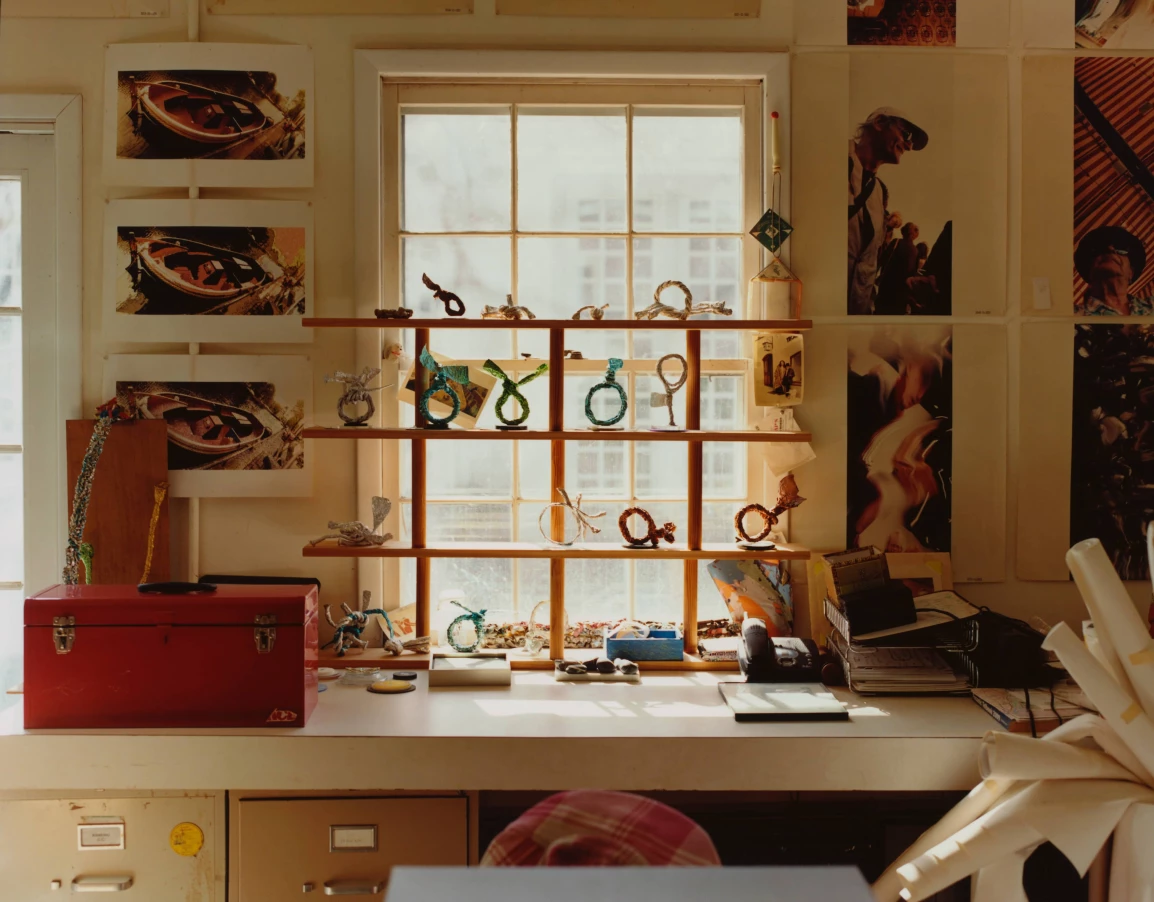
John Chamberlain’s foil works displayed by the window in his photography studio. Photo: Bastian Achard for Sotheby’s Magazine |
John Chamberlain could call forth sculpture from the most unlikely materials: not just the hulking car carcasses he’s famous for, but also colorful scraps of aluminum foil, Tonka toys, vast chunks of foam covered in sheets. The nomadic, polymathic artist, who started his career as a hairdresser in Detroit, ended up on Shelter Island, at the east end of Long Island, working from a series of buildings that his widow, Prudence Fairweather, and stepdaughter Alexandra Fairweather have lovingly preserved. They generously opened up these spaces for our May/June cover story, which explores all the angles and edges of Chamberlain’s practice. (And don’t miss Alexandra’s just-launched interview series, “On the Couch,” filmed on one of Chamberlain’s foam “barges.”)
And on the theme of multi-faceted creativity, we preview the Comité Colbert’s forthcoming show at the Shed in New York City, a celebration of French-made luxury craftsmanship and Franco-American cultural exchange to mark the 250th birthday of the United States. |
|
|
Inside the World of John Chamberlain |
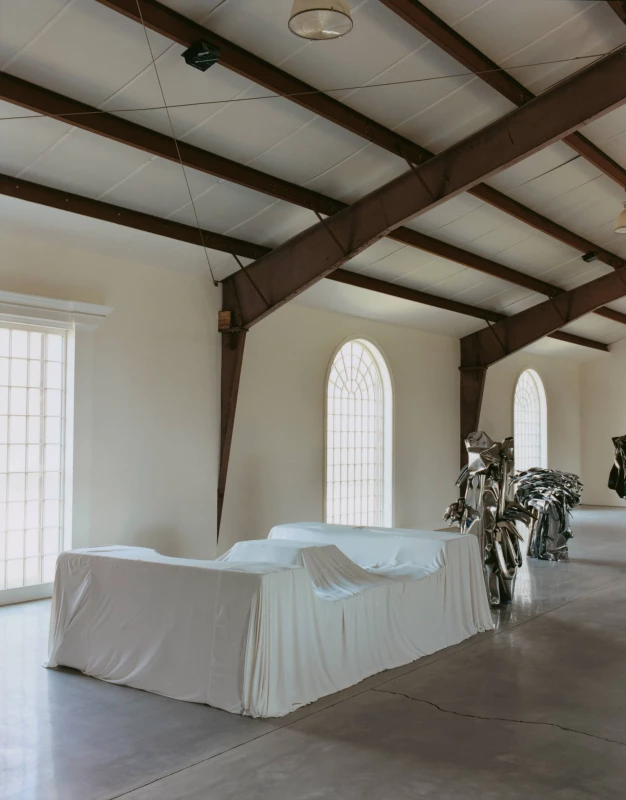
One of John Chamberlain’s “barges” alongside some of his metal sculptures. Photo: Bastian Achard for Sotheby’s Magazine |
You’d be forgiven for associating John Chamberlain’s work solely with macho toughness. His mammoth metal sculptures forged from car parts are as impactful as any American art from the past century, after all. But Chamberlain also had a softer side. He began sculpting in foam in the 1960s—joking later that the pieces didn’t sell, even when he offered them to a swingers’ club—and made enormous, fluffy couches, or “barges,” in the ’70s and ’80s. |
|
|
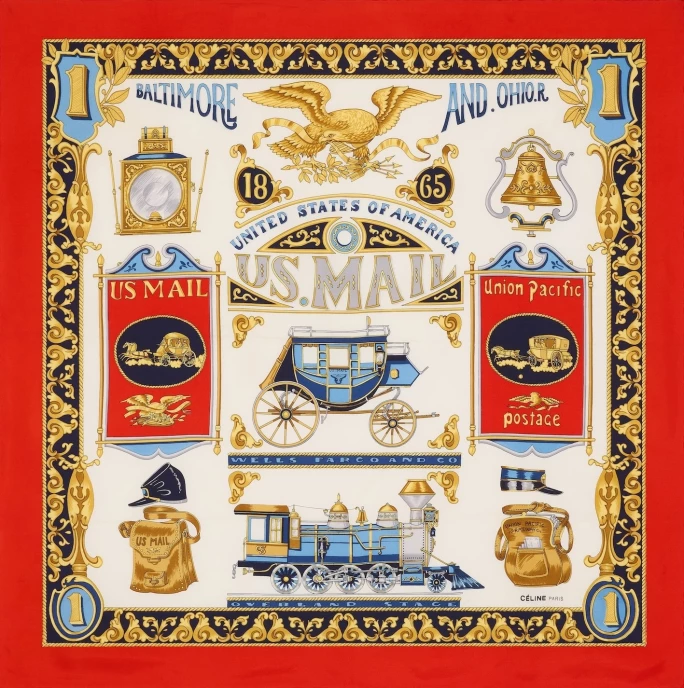
A 1966 Celine scarf, inspired by the U.S Postal Service. Courtesy of Celine. |
France was a powerful political ally to the American revolutionaries, helping their fledgling nation take wing. As the U.S. prepares to observe its 250th birthday, one French organization wants to celebrate this bond by emphasizing a different kind French contribution: that certain je ne sais quoi. |
|
|
Our calendar of must-see exhibitions |
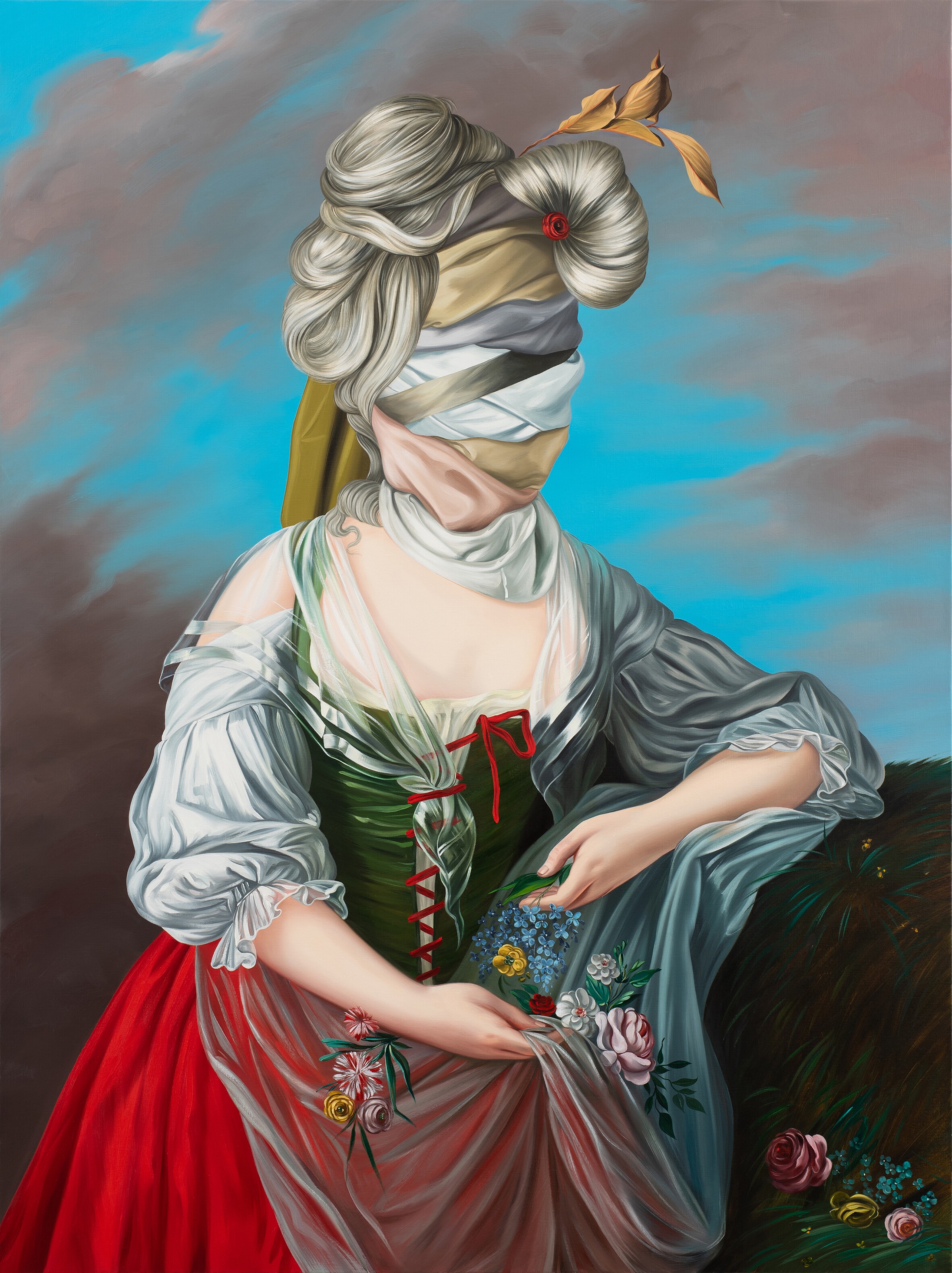
Ewa Juszkiewicz’s “Untitled (after Élisabeth Vigée Le Brun),” 2021, on view at the Museo Nacional Thyssen-Bornemisza in Madrid. Collection of Glori Cohen © Ewa Juszkiewicz |
|
|
Download the Sotheby's app for iOS and Android
Sotheby’s, Inc. License No. 1216058. © 2026
|
|
|
|