͏ ͏ ͏ ͏ ͏ ͏ ͏ ͏ ͏ ͏ ͏ ͏ ͏ ͏ ͏ ͏ ͏ ͏ ͏ ͏ ͏ ͏ ͏ ͏ ͏ ͏ ͏ ͏ ͏ ͏ ͏ ͏ ͏ ͏ ͏ ͏ ͏ ͏ ͏ ͏ ͏ ͏ ͏ ͏ ͏ ͏ ͏ ͏ ͏ ͏ ͏ ͏ ͏ ͏ ͏ ͏ ͏ ͏ ͏ ͏ ͏ ͏ ͏ ͏ ͏ ͏ ͏ ͏ ͏ ͏ ͏ ͏ ͏ ͏ ͏ ͏ ͏ ͏ ͏ ͏ ͏ ͏ ͏ ͏ ͏ ͏ ͏ ͏ ͏ ͏ ͏ ͏ ͏ ͏ ͏ ͏ ͏ ͏ ͏ ͏ ͏ ͏ ͏ ͏ ͏ ͏ ͏ ͏ ͏ ͏ ͏ ͏ ͏ ͏ ͏ ͏ ͏ ͏ ͏ ͏ ͏ ͏ ͏ ͏ ͏ ͏ ͏ ͏ ͏ ͏ ͏ ͏ ͏ ͏ ͏ ͏ ͏ ͏ ͏ ͏ ͏ ͏ ͏ ͏ ͏ ͏ ͏ ͏ ͏ ͏
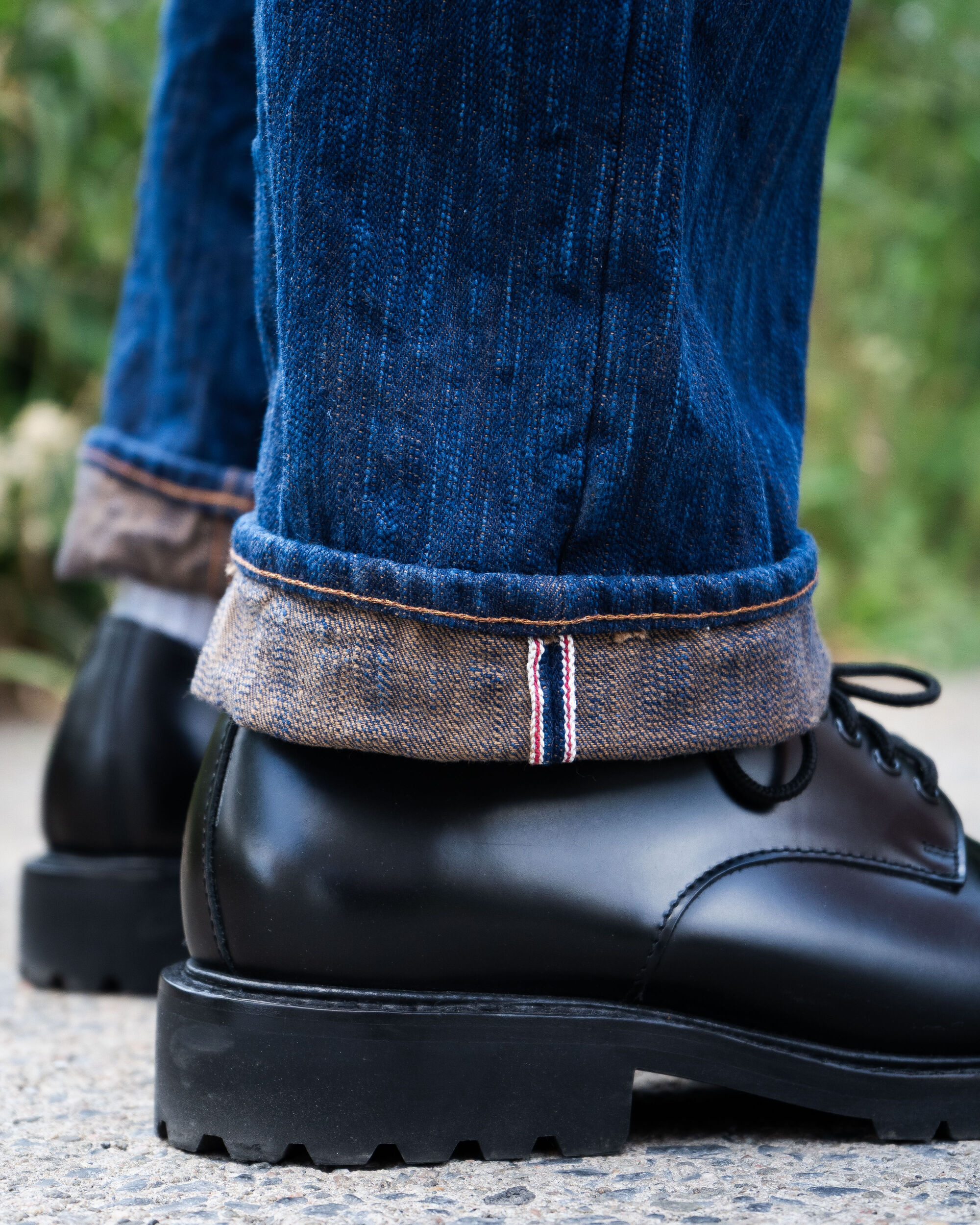
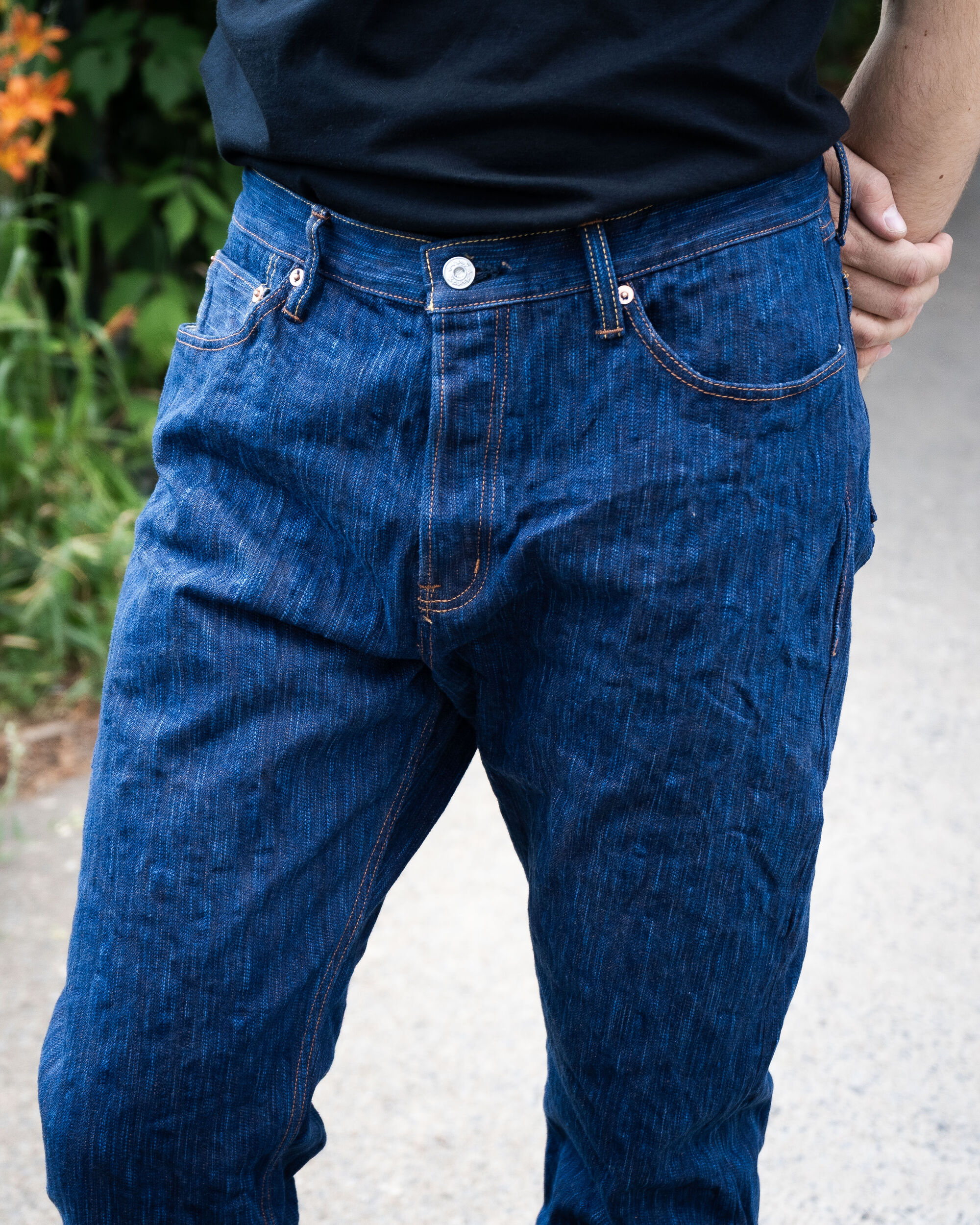
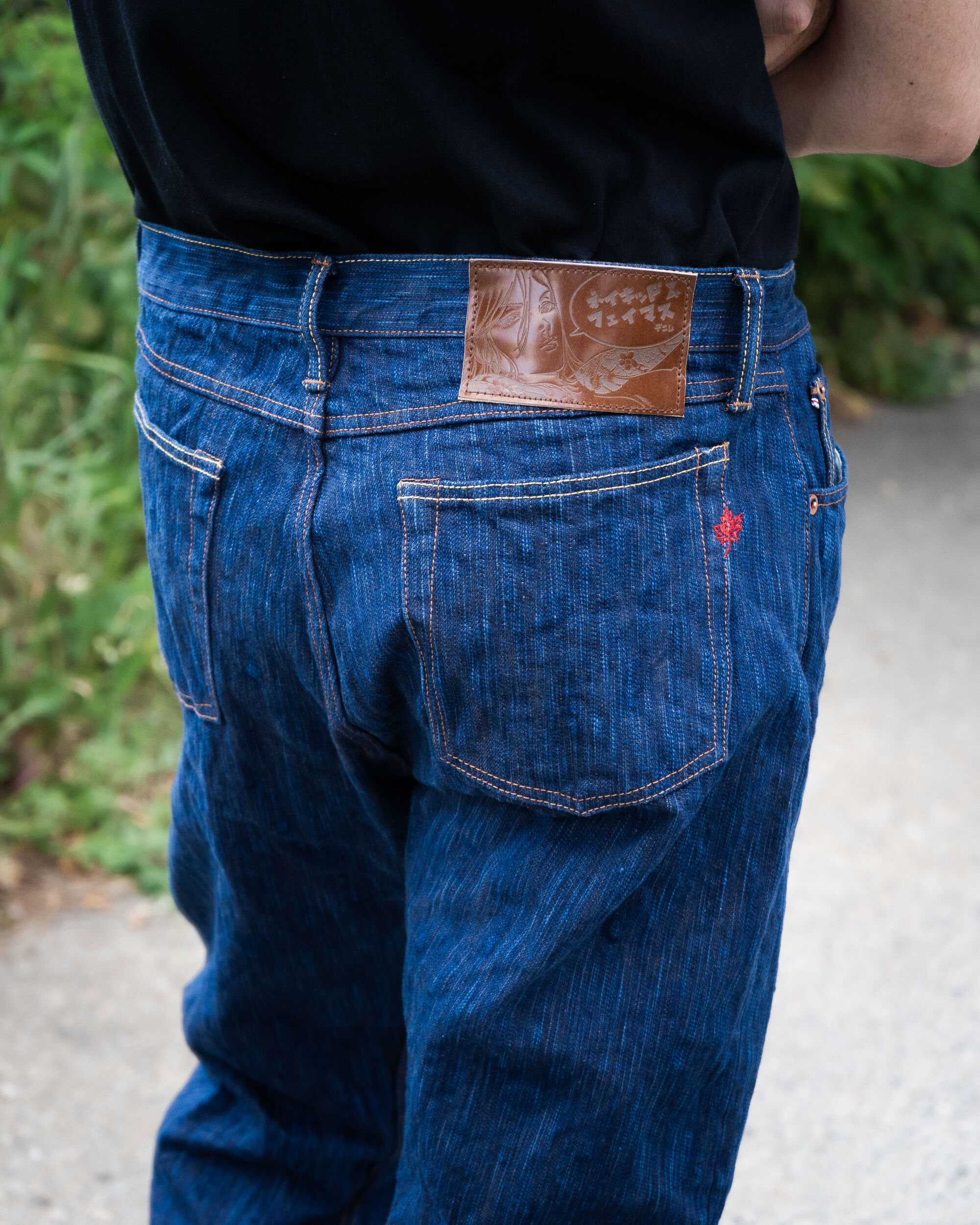
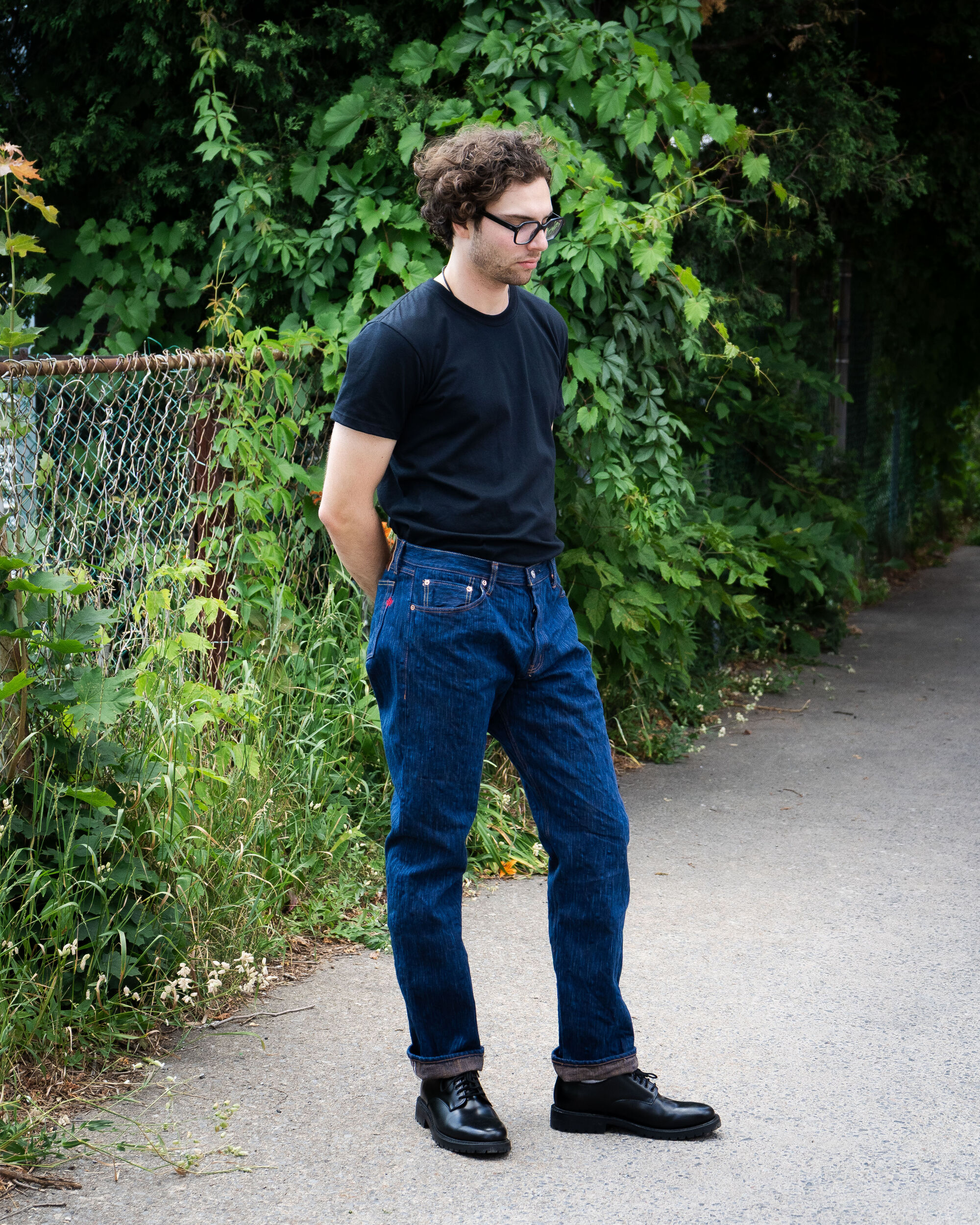
The MIJ15 is the newest addition to our Made in Japan series. Where we bring together heritage methods, traditional Japanese dyes, and meticulous old-world construction. This one is built from a 15oz Japanese selvedge denim, with a natural indigo-dyed warp from Tokushima and a kakishibu-dyed weft.
|
Indigo dyeing in Tokushima dates back over 800 years, and the region became famous during the Edo period for producing Awa Ai, a high-quality natural indigo fermented using a labor-intensive composting method. Tokushima’s climate, with its humid summers and soft river water, proved ideal for growing Tade Ai (indigofera), the plant used for the dye.The dye is turned into Sukumo, a fermented indigo paste, using a process that takes over 100 days. Sukumo is mixed with lye,
sake, wheat bran, and shell ash to create a living indigo vat, which must be stirred and cared for daily. This method is so culturally significant that it has been designated as an Intangible Cultural Treasure by the Japanese government.
In the MIJ15 the warp yarns are dyed in these vats by hand. The yarns are tied into hanks, dipped repeatedly to build up the dye, and oxidized between dips. Because the yarns are bundled, the exposure to air is uneven, some parts oxidize more quickly, some stay darker, creating natural variation across the yarns that’s impossible to fake with synthetic indigo or rope dyeing.
|
Kakishibu is made by fermenting the juice of unripe astringent persimmons (dai-dai). The tannins from the fruit oxidize over time, producing a dye that ranges in tone from golden orange to deep brown. In Japanese history, it was used not just for textiles, but for waterproofing wood, preserving fishing nets, strengthening washi paper, and even as a form of insect repellent. In textiles, kakishibu was often associated with workwear and everyday garments. It was
affordable, tough, and faded beautifully.
For the MIJ15, the weft yarns are dyed in kakishibu before weaving. The result is a warm, earthy tone that sits just under the indigo surface, creating a subtle orange-brown cast that grows more visible as the jeans fade.
|
The MIJ15 will be available in Super Guy, Weird Guy, and True Guy fits.
|
Curious To Learn More? Dive Into Every Detail In Our Latest Video.
|
|
|
|
Join The Team As They Explore Japanese Denim Production
|
Join Garrett and Terry as they journey with the Naked & Famous Denim team across Japan. They visit world-renowned denim mills and yarn spinners to uncover the secrets of crafting raw selvedge denim. Alongside their exploration, they experience Japan's vibrant culture and breathtaking cityscapes.
Be sure to subscribe to our channel to stay informed about all the latest updates and news.
|
|
|
|
|
|
Stay connected to the Tate + Yoko world
|
|
|
|
|
|
|
|