Plus: Just-passed housing bill doesn't address lagging consumer income ‌ ‌ ‌ ‌ ‌ ‌ ‌ ‌ ‌ ‌ ‌ ‌ ‌ ‌ ‌ ‌ ‌ ‌ ‌ ‌ ‌ ‌ ‌ ‌ ‌ ‌ ‌ ‌ ‌ ‌ ‌ ‌ ‌ ‌ ‌ ‌ ‌ ‌ ‌ ‌ ‌ ‌ ‌ ‌ ‌ ‌ ‌ ‌ ‌ ‌ ‌ ‌ ‌ ‌ ‌ ‌ ‌ ‌ ‌ ‌ ‌ ‌ ‌ ‌ ‌ ‌ ‌ ‌ ‌ ‌ ‌ ‌ ‌ ‌ ‌ ‌ ‌ ‌ ‌ ‌ ‌ ‌ ‌ ‌ ‌ ‌ ‌ ‌ ‌ ‌ ‌ ‌ ‌ ‌ ‌ ‌ ‌ ‌ ‌ ‌ ‌ ‌ ‌ ‌ ‌ ‌ ‌ ‌ ‌ ‌ ‌ ‌ ‌ ‌ ‌ ‌ ‌ ‌ ‌ ‌ ‌ ‌ ‌ ‌ ‌ ‌ ‌ ‌ ‌ ‌ ‌ ‌ ‌ ‌ ‌ ‌ ‌ ‌ ‌ ‌ ‌ ‌ ‌ ‌ ‌ ‌ ‌ ‌ ‌ ‌ ‌ ‌ ‌ ‌ ‌ ‌ ‌ ‌ ‌ ‌ ‌ ‌ ‌ ‌ ‌ ‌ ‌ ‌ ‌ ‌ ‌ ‌ ‌ ‌ ‌ ‌ ‌ ‌ ‌ ‌ ‌ ‌ ‌ ‌ ‌ ‌ ‌ ‌ ‌ ‌ ‌ ‌ ‌ ‌ ‌ ‌ ‌ ‌ ‌ ‌ ‌ ‌ ‌ ‌ ‌ ‌ ‌ ‌ ‌ ‌ ‌ ‌ ‌ ‌ ‌ ‌ ‌ ‌ ‌ ‌ ‌ ‌ ‌ ‌ ‌ ‌ ‌ ‌ ‌ ‌ ‌ ‌ ‌ ‌ ‌ ‌ ‌ ‌ ‌ ‌ ‌ ‌ ‌ ‌ ‌ ‌ ‌ ‌ ‌ ‌

US Edition - Today's top story: Can Ozempic prevent cancer? A doctor explains why the headlines are easy to misread View in browser

13 July 2026

US Edition

The Conversation
 

Top headlines

Lead story

GLP-1 drugs seem to do it all. First approved to treat diabetes, they’ve since transformed how society approaches weight loss. They’re also prescribed for heart disease, liver disease, kidney disease and sleep apnea, among other conditions, and being actively studied for their potential to manage several more.

What about cancer? If the headlines and posts – and the parade of studies they showcase – are to be believed, it seems like GLP-1 drugs have already helped millions of patients reduce their risk of several types of cancer. Is that evidence enough?

“The surest thing I can say is also the least satisfying: It’s still too early,” writes Ziyad Al-Aly, a physician and clinical epidemiologist at Washington University in St. Louis, whose team studies how effective drugs are at treating various conditions. “These drugs are far younger than the cancers they are being credited with preventing.”

Discrepancies with timing weren’t the only issues he found with the studies setting the internet abuzz. Al-Aly took a close look at how researchers were testing the idea that GLP-1 drugs can prevent cancer and found other study biases that throw lukewarm water on the excitement.

[ Understand what’s going on in Washington and around the world. Get our Politics Weekly newsletter. ]


 

Vivian Lam

Associate Health and Biomedicine Editor

 
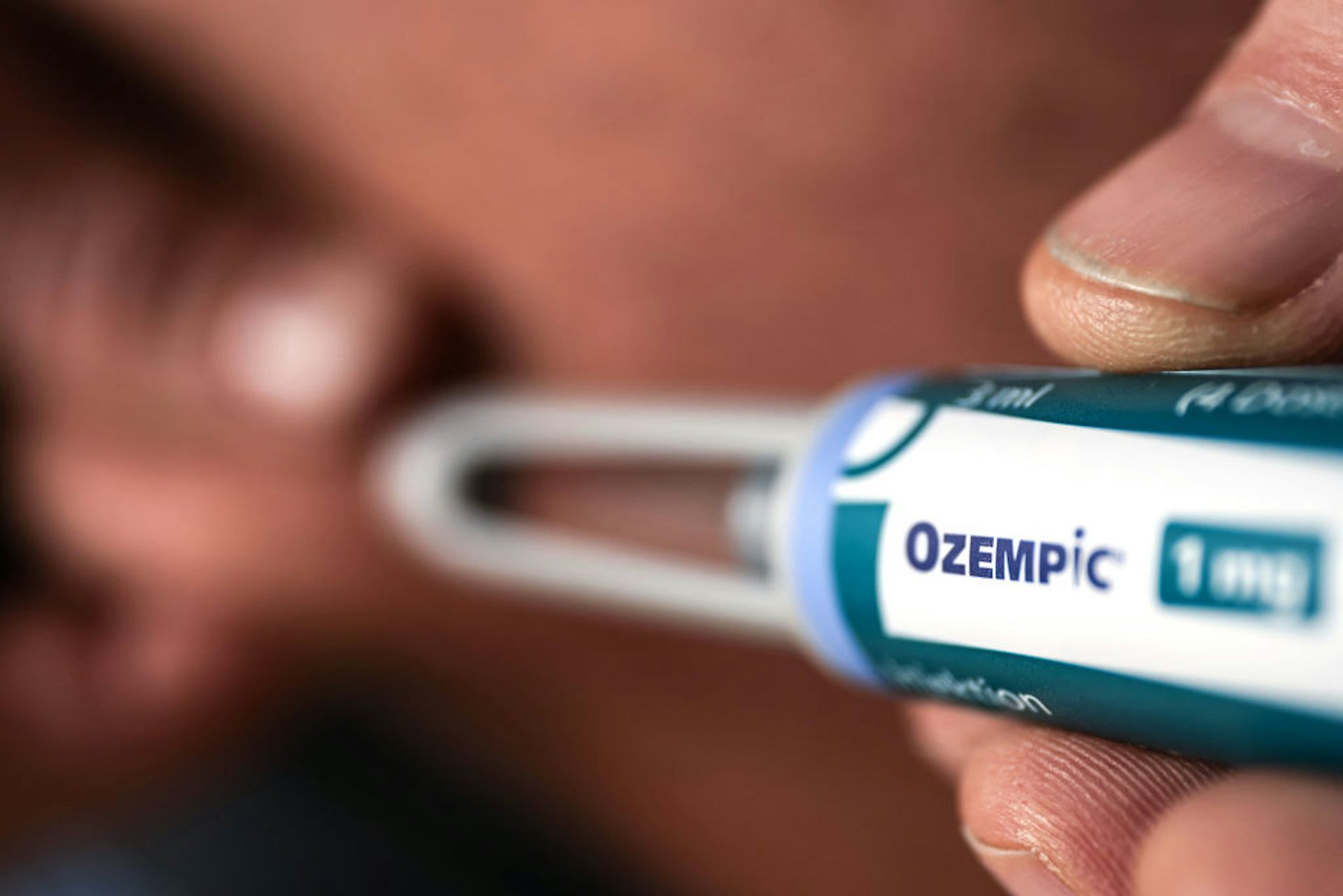
Initial concerns about the cancer risk of GLP-1 drugs have made an about-face. Roberto Pfeil/Picture Alliance via Getty Images

Can Ozempic prevent cancer? A doctor explains why the headlines are easy to misread

Ziyad Al-Aly, Washington University in St. Louis

Several studies suggest GLP-1 drugs may lower cancer risk. But that benefit may be due to the patients themselves: those who are healthier, wealthier and with better access to care.

Education

Despite the growth of some AI schools like Alpha, research doesn’t show that AI tutors are better than human teachers

Gerald K. LeTendre, Penn State

Instead of schools trying to replace teachers with AI, teachers could use AI to become better educators.

Economy + Business

A rare bipartisan housing bill just became law – but Americans will still struggle with affordability

Kirk McClure, University of Kansas; Alex Schwartz, The New School

The legislation is the first major housing bill to pass in decades.

Environment + Energy

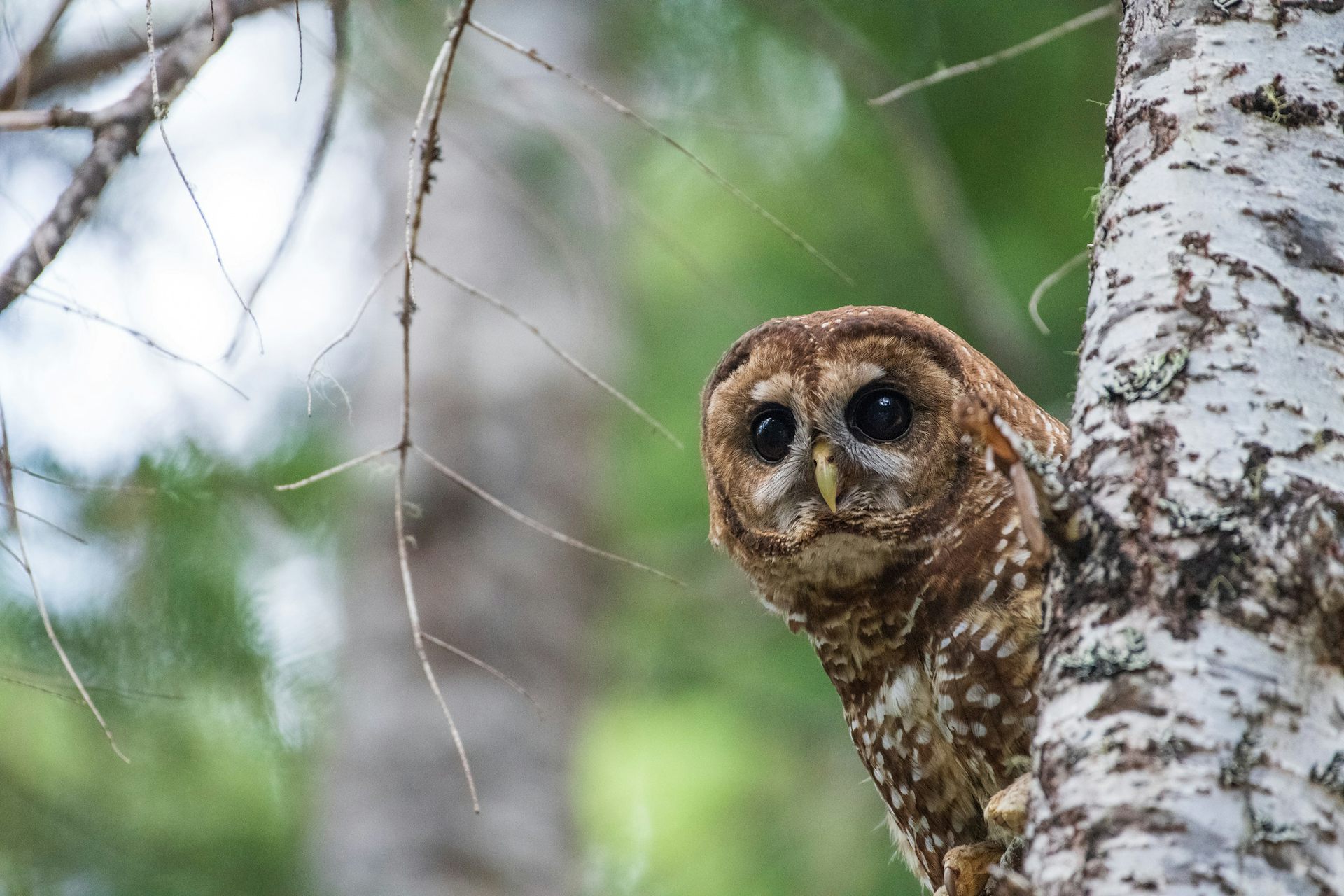
How redefining one word strips the Endangered Species Act’s ability to protect vital habitat

Mariah Meek, Michigan State University; Karrigan Börk, University of California, Davis

The majority of endangered species listings over the years have involved habitat loss, from Chinook salmon to island foxes and many birds.

When disaster recovery becomes a way of life: Community disaster fatigue is on the rise with more frequent floods

Lee Ann Rawlins Williams, University of North Dakota

Increasing flash flooding is exhausting communities as they’re hit again and again.

Politics + Society

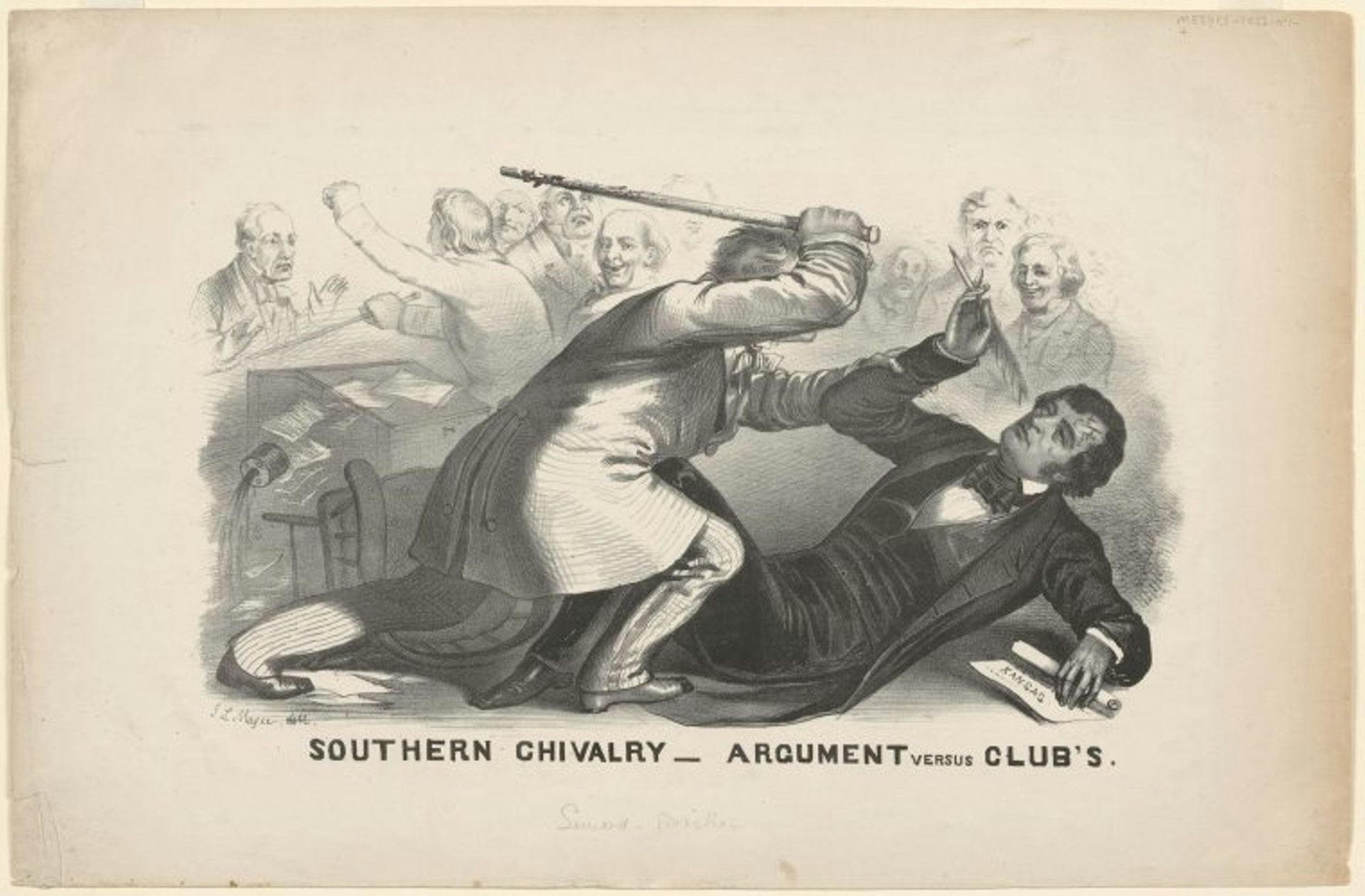
When a congressman beat a senator unconscious, America confronted the limits of free speech

Paul Quigley, Virginia Tech

The beating of Sen. Charles Sumner in 1856 by Rep. Preston Brooks over a speech against slavery sparked a nationwide debate over free speech, political violence and the relationship between the two.

For nearly 250 years, the US has had eyes on Latin America – but interventions then looked rather different

Lindsay Schakenbach Regele, Miami University

Now as then, the US supported forces that wanted to change the political situation in Venezuela.

Health + Medicine

2.6 million Americans lost health insurance in 2025 after ACA subsidies expired, leading to real health consequences

Aparna Soni, Indiana University

Research shows that losing coverage, even temporarily, tends to make people less healthy, and it exposes them to financial losses.

International

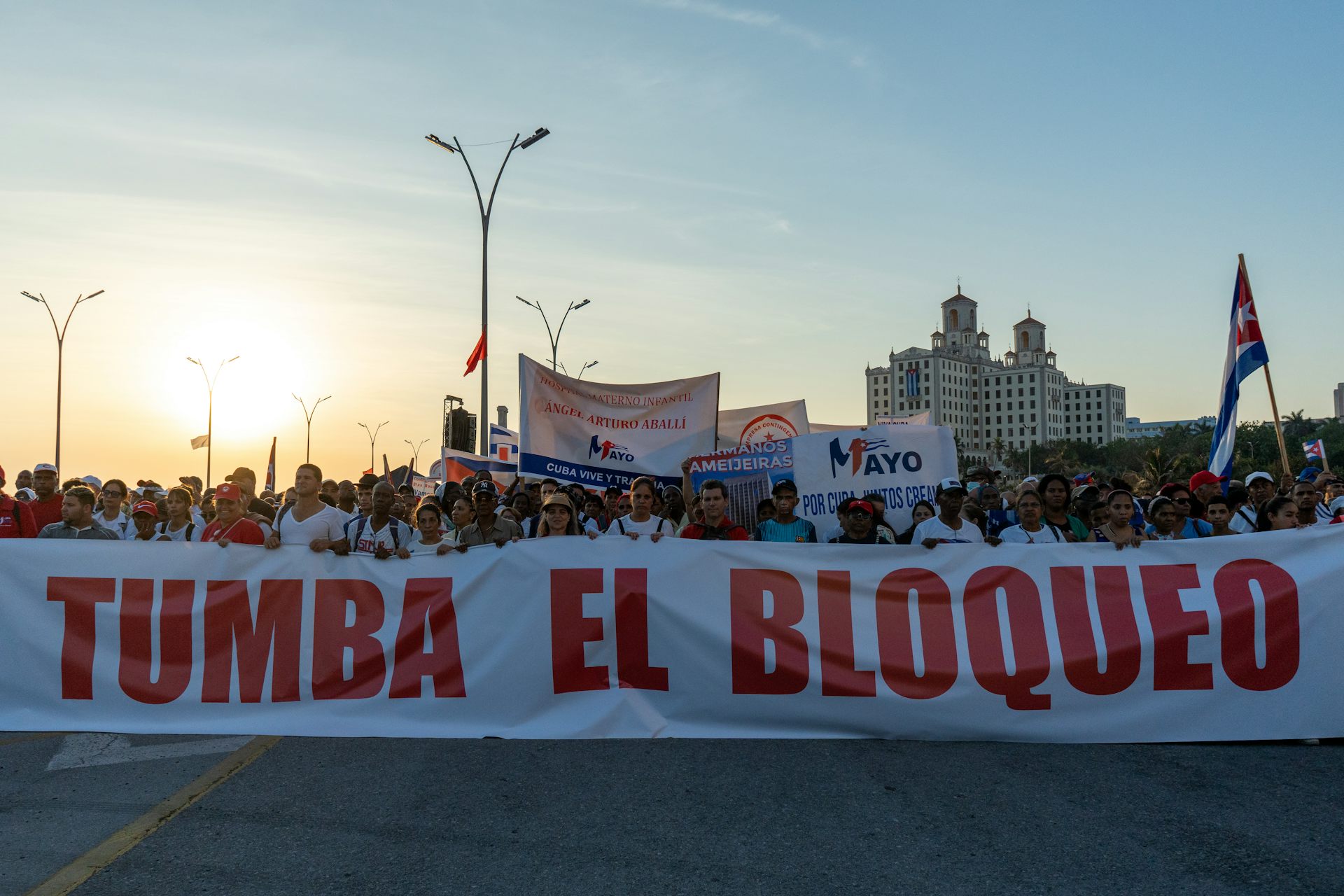
Cuba’s future remains in limbo while Trump’s unpredictable foreign policy offers no clear path forward

Juan Carlos Albarran, Miami University

Cubans are living in a state of limbo, and it’s not clear that US military intervention would revitalize the Cuban economy.
💬 Comments open

Science + Technology

Why is Venus hotter than Mercury, when Mercury is closer to the Sun?

Vahe Peroomian, USC Dornsife College of Letters, Arts and Sciences

Venus and Earth share some atmospheric quirks – but how did Venus get so unbearably hot, while Earth is mild and temperate?
💬 Comments open

Trending on site

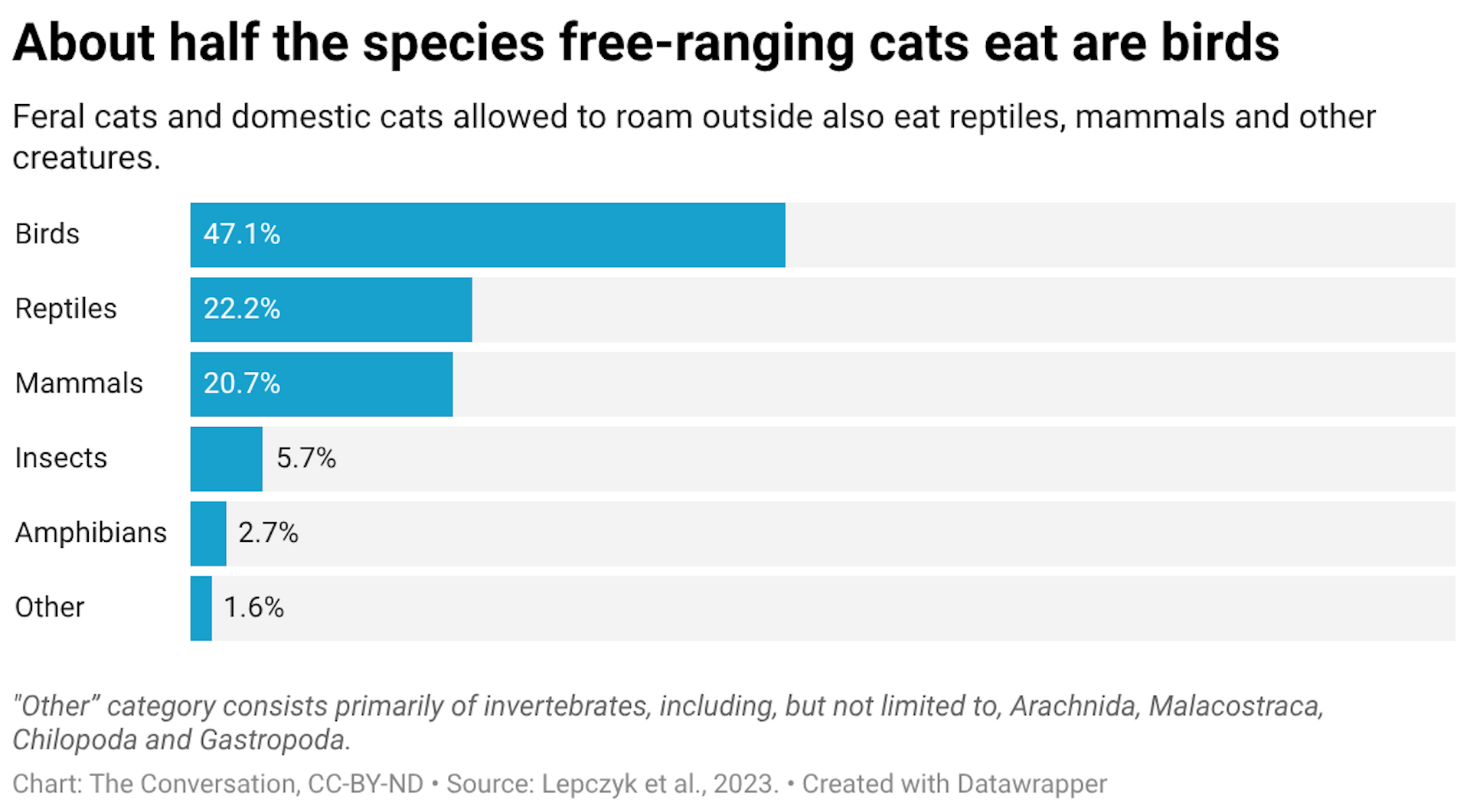
Today's chart

A bar graph showing the species eaten by free-ranging cats. 47.1% are birds, 22.2% are reptiles, 20.7% are mammals, 5.7% are insects, 2.7% are amphibians and 1.6% are other.
 

About The Conversation

We're a nonprofit news organization dedicated to bringing you facts and trustworthy analysis to help you make sense of our complex world. We can give away our articles thanks to the generosity of readers like you. Learn more about us

Support our work