|
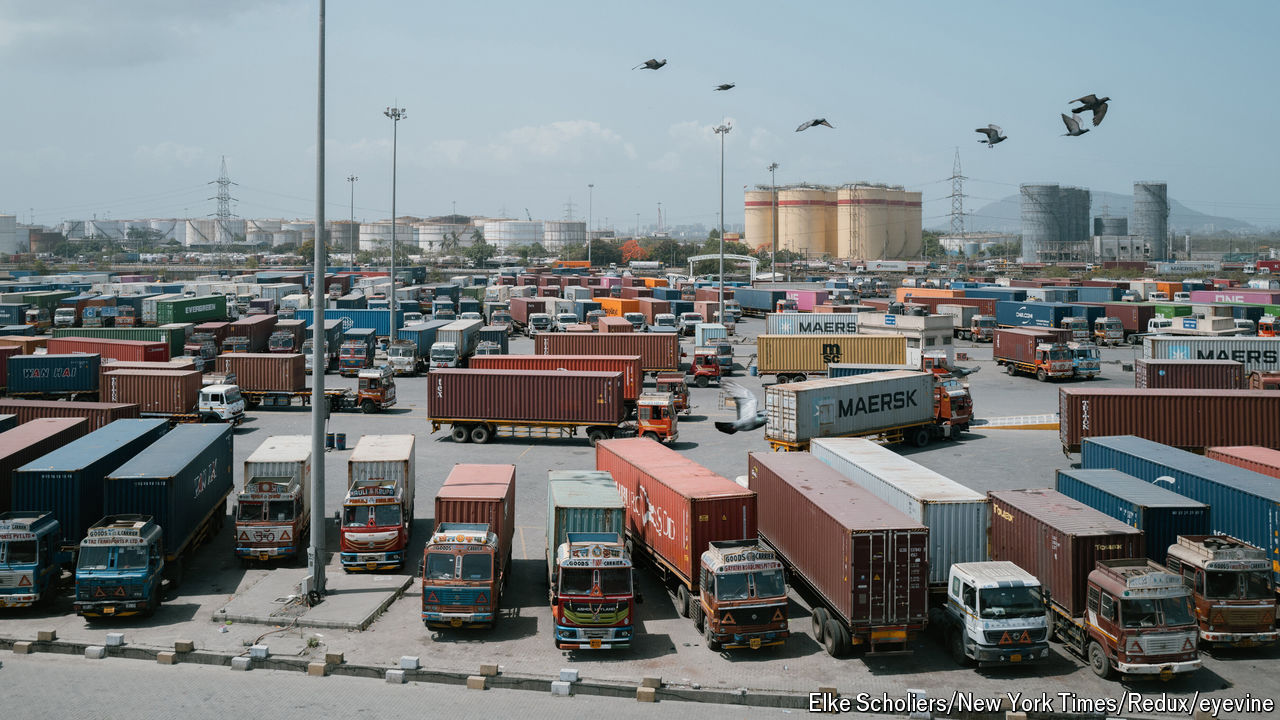
Until recently, Indian officials rarely had a good word to say about trade agreements. In 2019 India walked away from talks on joining 15 other Asia-Pacific nations in the world’s largest trade bloc, the Regional Comprehensive Economic Partnership. Since then Indian trade officials have spent much of their time seeking to renegotiate what they see as lopsided deals with Japan, South Korea and the Association of Southeast Asian Nations.
Subrahmanyam Jaishankar, India’s foreign minister, explained why at an event in December. India needed to protect its farmers, as well as small- and medium-sized enterprises, he said. It could not just become “a market for other countries”. I’m pretty sure most Indian officials still feel that way given the importance of agriculture and family business to India’s economy—and its politics. But in public, at least, they have changed their tune remarkably since February as India scrambles to respond to Donald Trump’s trade war.
Not only has India agreed to complete the first stage of a trade deal with America—its biggest trade partner—as early as August. The Indian government has also committed to seal one by the end of the year with the European Union, which collectively accounts for more of India’s foreign goods trade than America. And talks on a long-awaited deal with Britain as well as one with New Zealand (after a ten-year hiatus) have been revived, too.
Many of those countries’ trade negotiators might have pinched themselves to hear Piyush Goyal, India’s hard-bargaining commerce minister (and long-time promoter of a subsidy scheme to encourage domestic manufacturing), address local exporters in Mumbai in late February. How long, he asked, could Indian industry rely on “crutches of subsidies and support, incentives, high import duties, the protectionist mindset?”
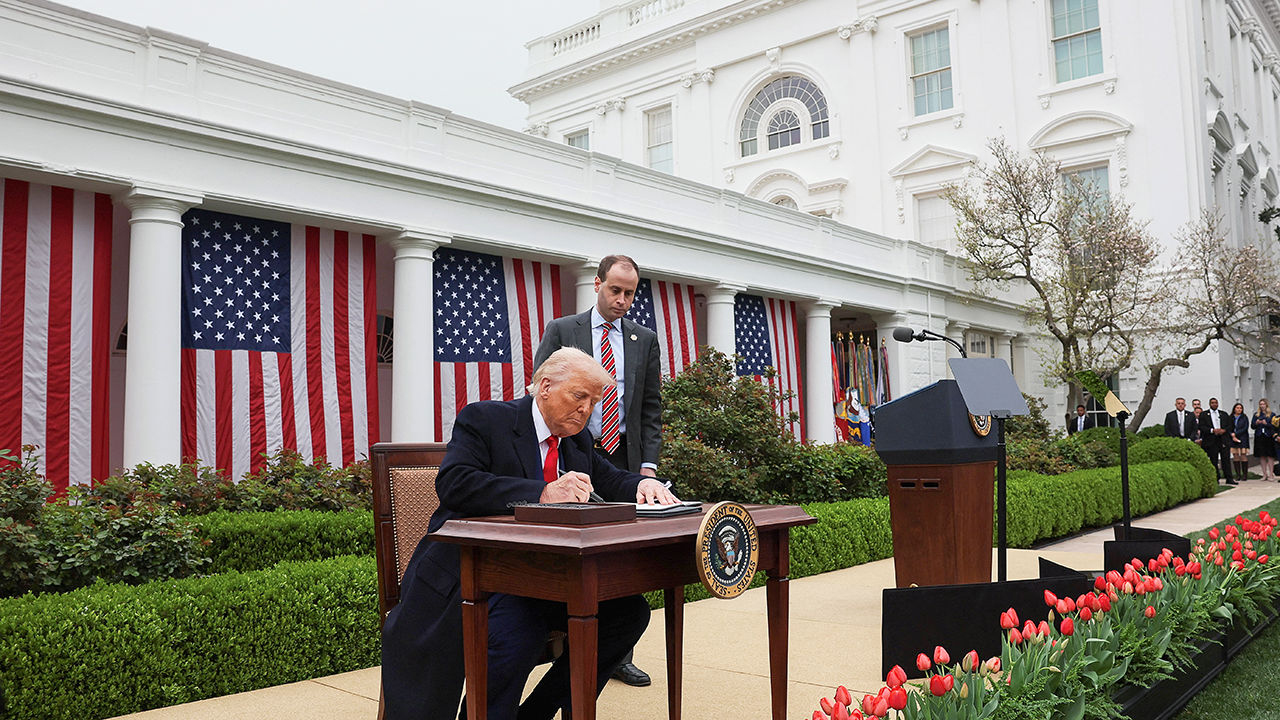
The immediate cause of this about-face seems obvious. Mr Trump has indicated for weeks that India would be among countries targeted by his “reciprocal” tariffs. The levies he announced on April 2nd included 27% on Indian goods—lower than for several other Asian countries yet still a blow to Indian exporters. It is too early to say exactly how India will respond. But so far its strategy seems to be to negotiate bilateral trade agreements as quickly as possible with America and other key trade partners.
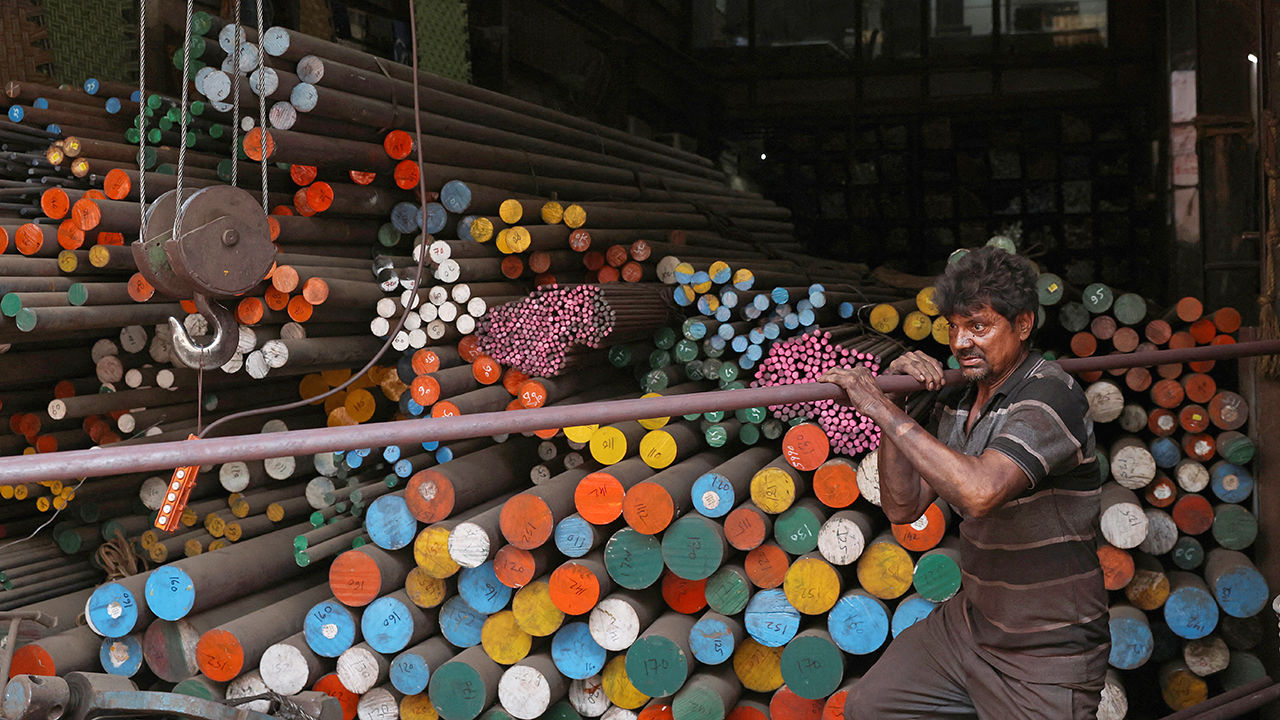
There is, though, another intriguing explanation for India’s approach. Its economy was slowing even before Mr Trump’s trade offensive. Prime Minister Narendra Modi’s campaign to boost domestic manufacturing through tariffs, subsidies and other state support appears to be foundering. Manufacturing as a share of GDP has declined in the last decade. Private investment has plateaued.
Could Mr Modi be using Mr Trump’s trade war as cover for a shift in economic strategy? As my colleague Gavin Jackson and I
write in this week’s issue,
there is evidence to support that idea. But to succeed, Mr Modi might need to take on some of his country’s most powerful political constituencies: its farmers and its richest tycoons.
Thank you for reading. What do you think Mr Trump’s tariffs mean for India? Email us here:
[email protected].
|