|
In Chennai this week, I saw a rare thing: a brand new statue to a British colonial figure. In Britain, such monuments have often been defaced in recent years. Some have been torn down, many more re-labelled as part of a public reckoning with the nation’s imperial past. Yet there, inside the grounds of Chennai’s Egmore Museum, I found a newly installed bronze sculpture of Sir John Marshall, who headed the Archaeological Survey of India from 1902 to 1928.
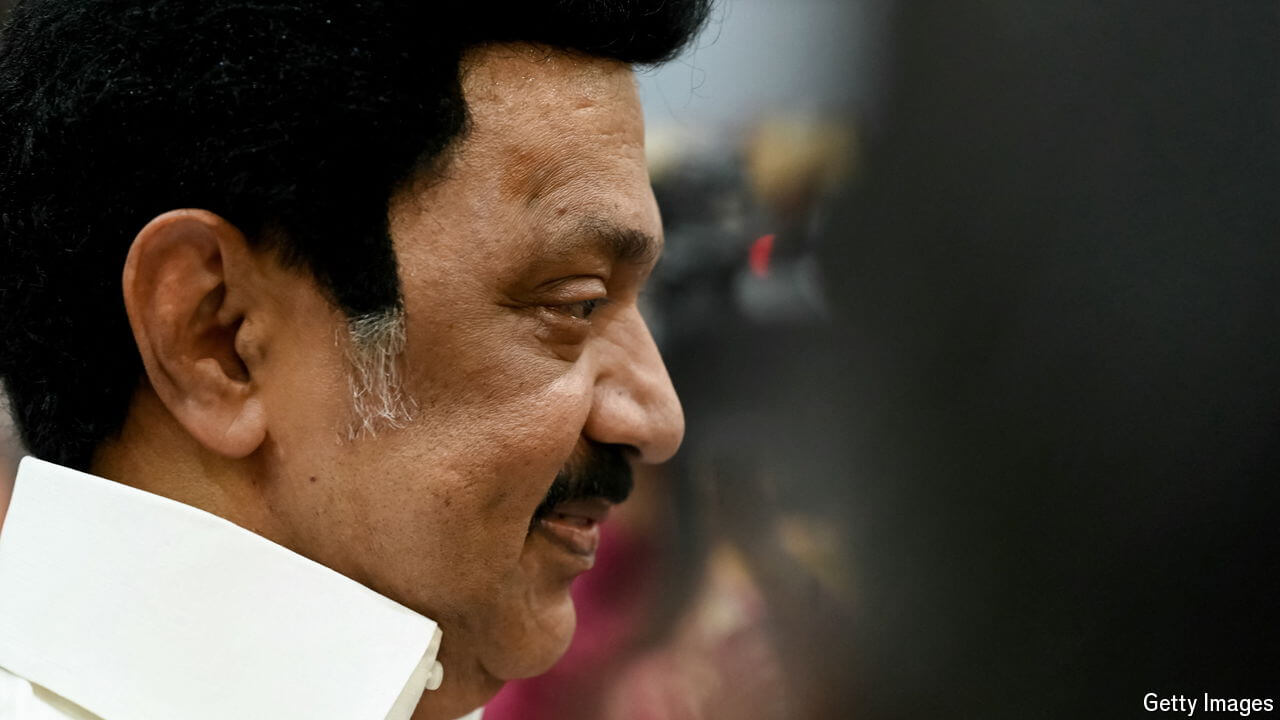
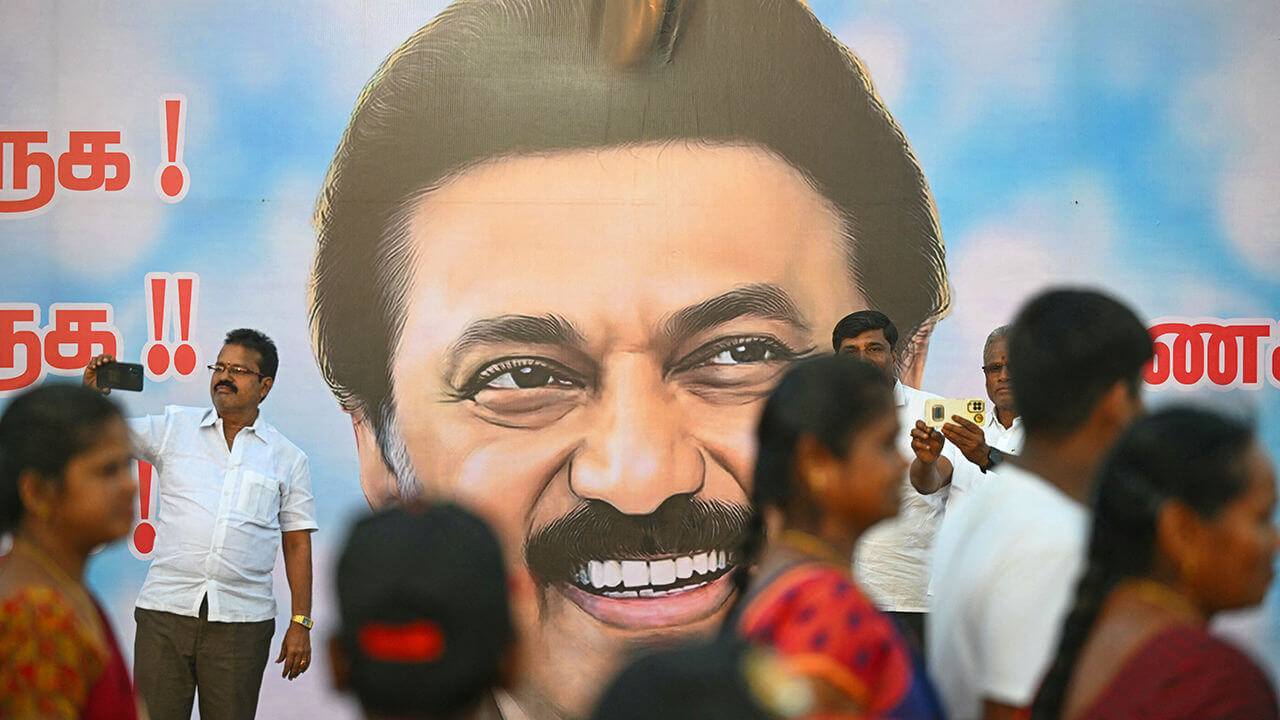
What’s more, the statue had been unveiled a few days earlier by M.K. Stalin, Tamil Nadu’s chief minister. So when
I interviewed him for this week’s issue,
I was curious to learn why he was so interested in a British archaeologist who died almost seven decades ago. And what, if anything, did that have to do with the main topic of our interview: Mr Stalin’s fight against a plan to reallocate seats in India’s parliament?
The answer lies at two archaeological sites in modern-day Pakistan. In 1924, Marshall announced the discovery of ruined cities there dating back to around 3,000 BC that “put back by several centuries the date of the earliest known remains of Indian civilization”. Those and related sites in northern India, Pakistan and Afghanistan are now ranked among the earliest cradles of advanced urban culture.
For Mr Stalin, however, what matters is that later research suggested links between that “Indus Valley Civilisation” and south India’s Dravidian ethnolinguistic group. That is relevant to present-day politics because Hindu nationalists, for whom Prime Minister Narendra Modi is the flagbearer, believe that India’s “original” people were Sanskrit-speaking Aryans.
Mr Stalin is determined to challenge that narrative, which he sees as an attempt to erase the role of southern culture and languages in Indian civilization. He also accuses the government of trying to impose Hindi—the north’s dominant language —on southern states. And he fears that the overhaul of parliament will allocate many more seats to the poorer, more populous north (where Mr Modi’s party dominates).
Thus, while resisting that plan, Mr Stalin has been pouring state funds into archaeology in Tamil Nadu. “We have been able to scientifically establish that Tamil Nadu had an independent thriving civilization, on par with similar ones in other countries,” he told me. In January he announced that recent findings showed the Iron Age began in Tamil Nadu 5,300 years ago.
But he is also looking beyond Tamil Nadu. Earlier in January, he offered a $1m prize for deciphering inscriptions found at Indus Valley Civilisation sites. He hopes that will reveal evidence of a Dravidian language. Then came the statue of Marshall, whose plinth says that he “laid the foundation for the Dravidian hypothesis of Indus Valley Civilization”.
The political payoff from such efforts may not become clear until a state election in Tamil Nadu next year. But in the meantime, Mr Modi seems to have a fight on his hands. And it’s not just India’s parliament at stake: national identity is too.
Thank you for reading. Where do you stand on India’s plans to overhaul its parliament? As ever, you can email us here:
[email protected].
|