|
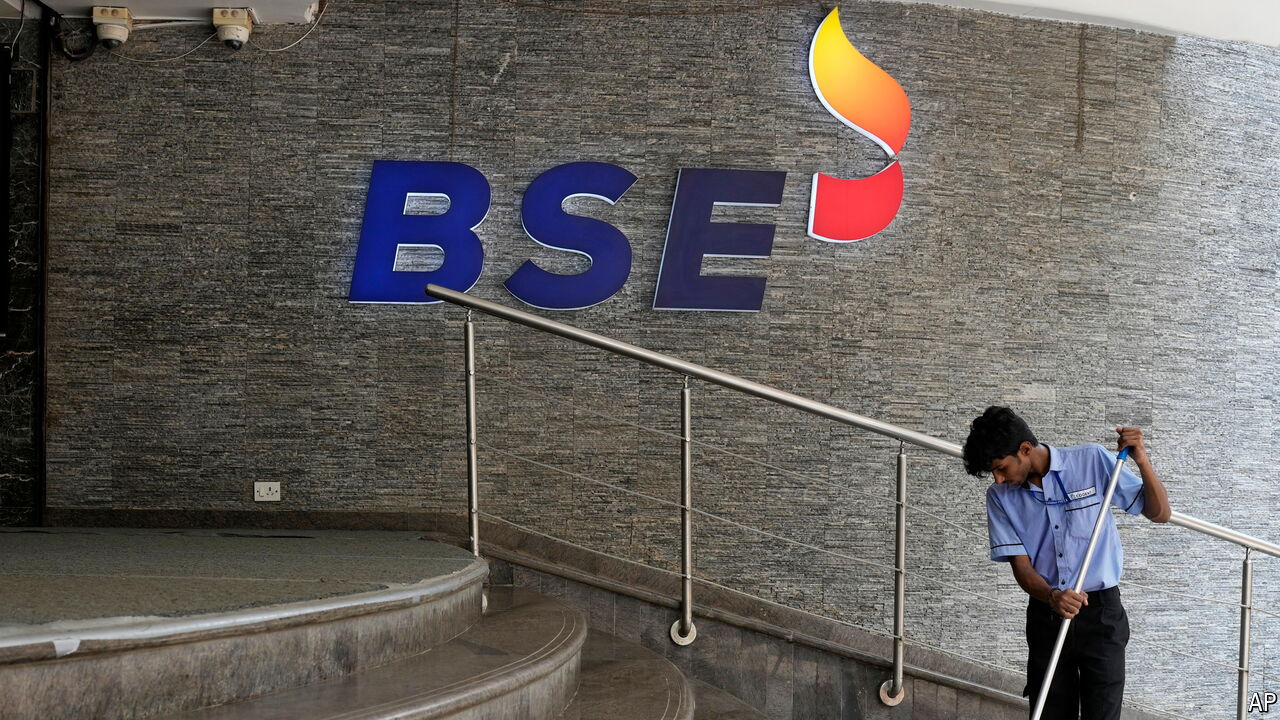
Speculative booms and busts are not exactly a new thing in Mumbai. The Bombay Stock Exchange, founded 150 years ago, is Asia’s oldest surviving bourse. The country went through its first market crash a decade earlier, before an organised exchange even existed. Investors had bet heavily on Indian cotton, which surged in price when the American civil war halted exports of the commodity from the American south. As the war ended in 1865, the speculators were wiped out.
The more things change, the more they stay the same. In recent years a frenzy of futures and options trading swept across the country. One of the companies making shedloads of money was
Jane Street,
a secretive American quantitative-trading firm which is now in the sights of India’s market regulators. On July 4th the Securities and Exchange Board of India (SEBI) accused the firm of a “sinister scheme” of market manipulation and banned it from India’s securities markets.
There is no doubt that Jane Street made money in India. For the most sophisticated traders, the country’s manic options market has been a goldmine. In early 2024, 84% of all global derivatives trading was occurring in the country. Millions of small investors with little experience, spurred on by social media “finfluencers”, made leveraged bets in the options market. According to SEBI, Jane Street was trading aggressively in the stockmarket, especially an index of bank stocks, to move larger positions in the options market. Over 21 separate trading days, SEBI estimates that Jane Street made 48bn rupees ($560m) using this strategy.
Jane Street has no intention of lying down. In a letter to its staff the company denied the charges. On July 14th SEBI confirmed that Jane Street has now placed 48bn rupees in an Indian escrow account and asked for some of the restrictions imposed on it—possibly the ban—to be lifted. This is the first step required in order for the firm to be allowed to trade again. The drama will rumble on. Next, Jane Street must file a formal response to the allegations against it.
The fallout may extend beyond Jane Street. According to earlier research published by SEBI, 90% of ordinary investors were losing money trading options at its peak. The perception that small speculators have been taken advantage of will be tough to shake—but the clash between SEBI and Jane Street continues to play out. A far broader group of foreign firms may now face a frostier reception from politicians and regulators than they have previously been used to.
Please send me your thoughts on this newsletter at
[email protected].
|