Threats of more closings have colleges and students worrying about how to save themselves
|
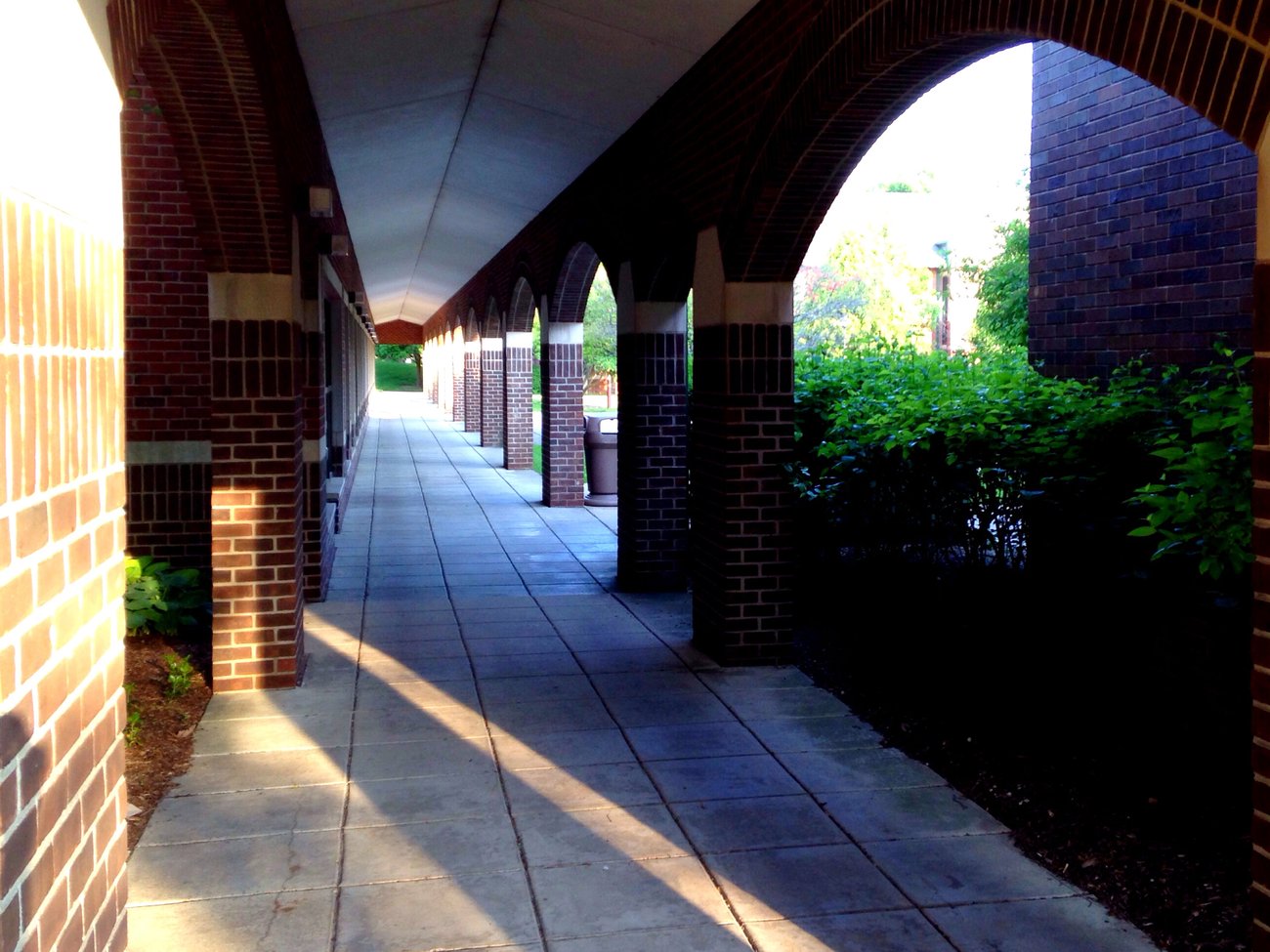
Glass doors lead to the light-filled lobby of a redbrick and limestone chapel at one end of a grassy quad, where lectures and receptions were held and students testified about their faith.
Original artwork hangs on the walls on the way to the music department, chaplain’s office and recital hall, along with brass “leaves” listing the names of past financial boosters formed into the shape of a tree.
This visit to Trinity Christian College, in Palos Heights, Illinois, isn’t real. It’s virtual, captured just before the college closed in May so students and alumni could remember the campus, which is being sold off to repay more than $26 million worth of debt and other liabilities.
“Instead of being wiped off the map, this is a way to honor the legacy” of the college, said Shalom Nwaokolo, who, with his wife, Ashley, is creating the permanent digital preservation of it.
Memorializing colleges and universities in virtual reality is among the more sentimental responses to the accelerating pace at which they’re closing and projected to close.
So pronounced has this trend become, however, that it’s also resulting in more consequential steps that speak to the intensifying threat of plummeting enrollments, rising debt and other problems.
The federal government is promising to streamline the process through which struggling colleges are taken over by healthier competitors, for instance. States are ramping up protections for consumers when campuses close anyway, and there is a proposal to do the same thing at the federal level. Lawsuits are multiplying, brought by students and employees against schools that closed. And institutions are trying to identify new sources of revenue.
Twenty-two states now make private higher education institutions pay into “tuition recovery” funds, typically requiring that a percentage of tuition collected be put aside in state accounts from which students could be compensated if the colleges close. While many of these funds were started to protect students at for-profit schools, nearly half have been extended to nonprofit degree-granting colleges.
|
| Read the story
|
|
|
|
|
|
|
When you sponsor a newsletter from The Hechinger Report, you reach educators, families and decision makers. Learn more from our sponsorship page or email [email protected].
|
|
|
Can this city succeed in having all eighth graders take algebra where others have failed?
|
Ask parent Janina Matuszeski what she has valued most about her twins’ experience in the Cambridge Public Schools to this point, and she is quick to cite the diversity and teacher quality.
If there is one area in which the schools have performed less well in serving her children, who just completed eighth grade, it has been math.
“Both my kids have been bored in math for many years,” said Matuszeski, a consultant and former lecturer at Harvard University’s Kennedy School of Government. “They’ll learn a concept in a day or a day and a half, and then the class will cover it for another two weeks.”
So Matuszeski and her husband were thrilled when Cambridge announced that it would place all eighth graders in Algebra I. Before the change, which went into effect this past fall, Cambridge middle schools did not offer Algebra I, though parents of advanced students who could afford it frequently enrolled their children in algebra classes outside of school, giving their own kids a boost but widening the educational gaps between poor and middle-class students.
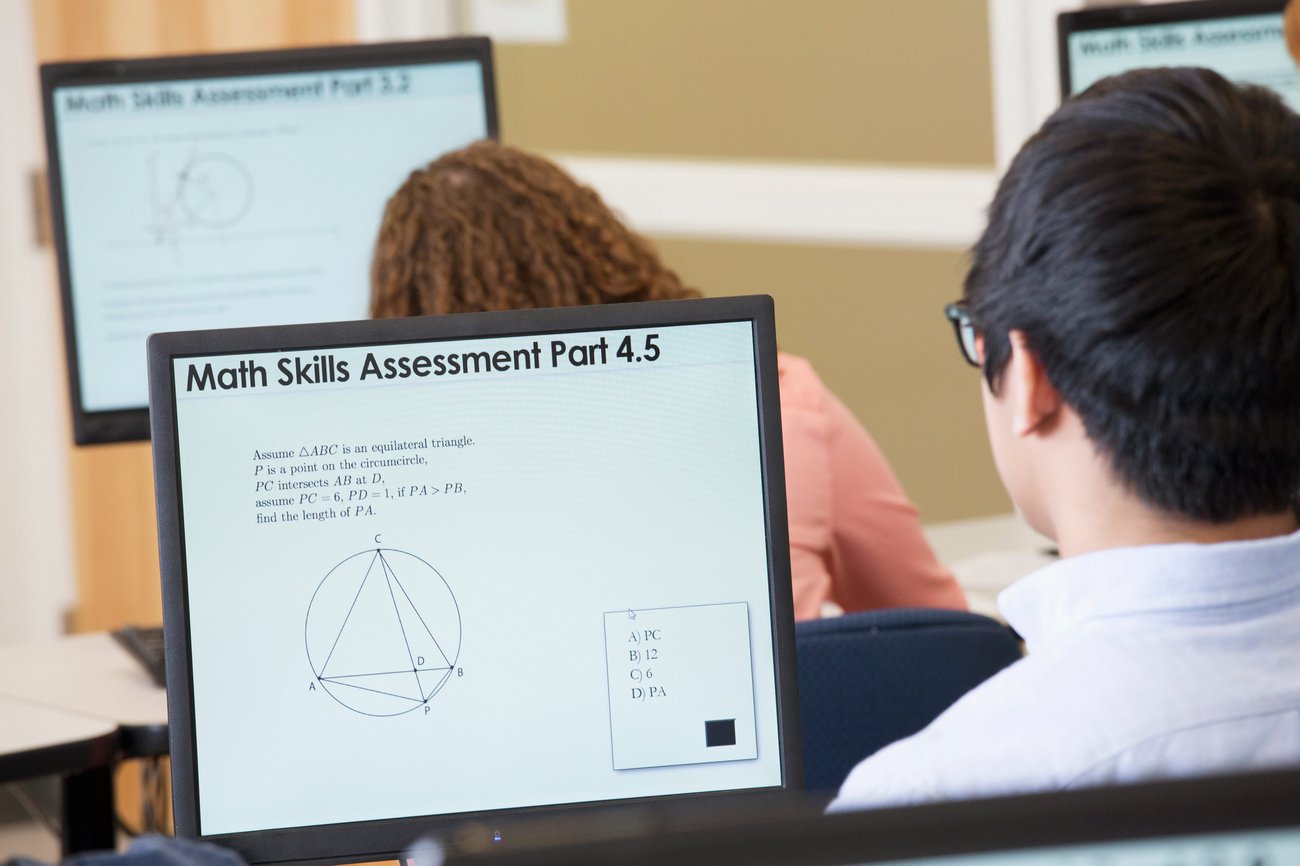
In certain school districts and corners of higher education, few issues have stirred more passionate debate in recent years than how fast middle and high schoolers should be allowed to progress in math — and, specifically, when they should be able to take algebra. Completing Algebra I in eighth grade puts students on a path to take Calculus by senior year, which many see as an unspoken requirement for getting into a selective college and a prerequisite for certain careers in the STEM fields of science, technology, engineering and math.
But since not all kids may be ready for Algebra I in middle school, giving some students that opportunity often leads to tracking, or separating kids by perceived academic ability. Critics say that can harm students placed in the lower track and worsen socioeconomic and racial divides in education.
Many districts have responded to those concerns by eliminating algebra in eighth grade altogether. Most notably, San Francisco did so in 2014, generating backlash from parents that recently led the city to reverse itself. Cambridge, by contrast, is trying to satisfy the demands of parents who want their children to be able to move faster in math without sacrificing its ideal of mixed-level, racially integrated classes.
|
| Read the story
|
|
|
|
|
Faster solutions, lower test scores: How AI is eroding math skills
|
|
|
Researchers detect ‘cognitive surrender’ in answering word problems.
|
|
|
|
|
|
|
|
|
|
|
|
|
|
|
|
|

 Donate