Good morning. It was a late night for reporters covering yesterday’s elections, and we still don’t know who won the governor’s primary in California. You can catch up on the results here. There’s more news below, including the results of our reader poll about the greatest living American songwriters. But I’m going to start today in the Middle East.
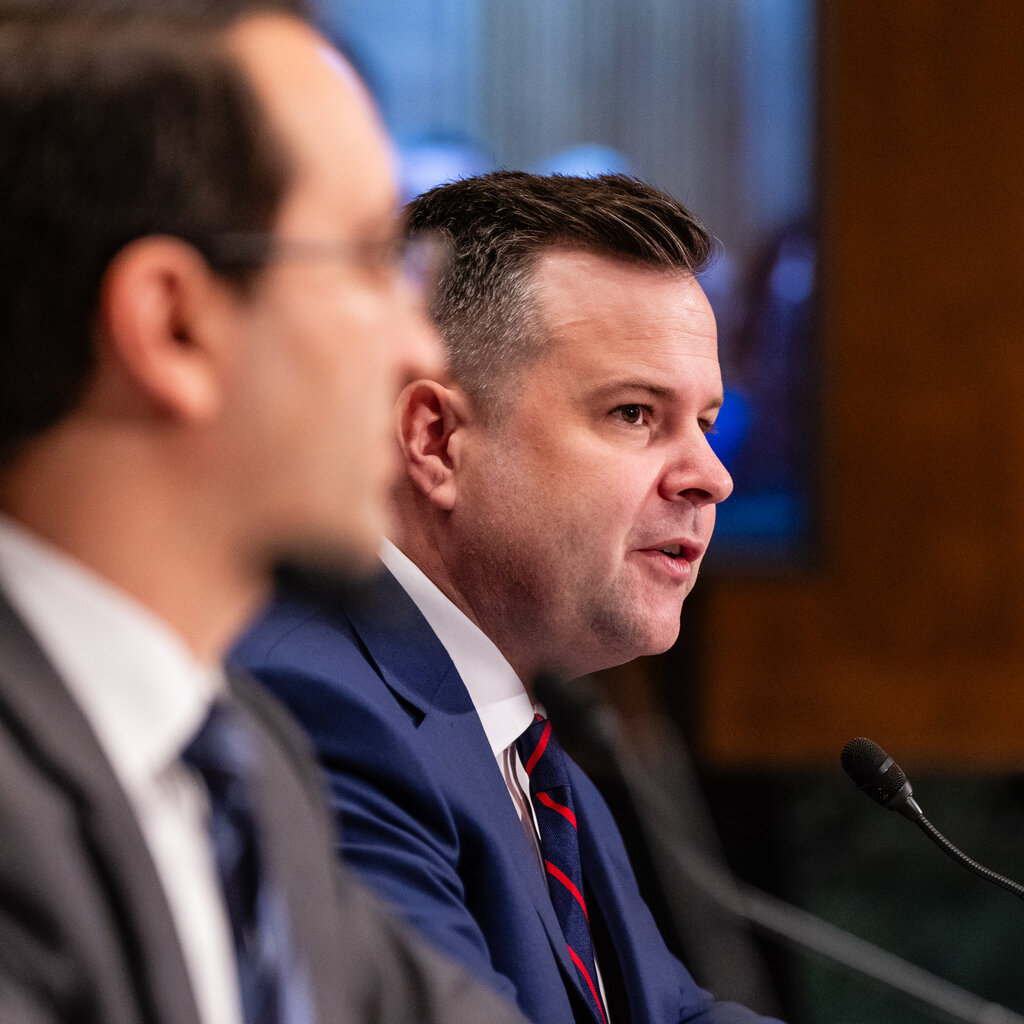
Painted into a cornerWhen the United States and Israel opened their war with Iran earlier this year — and days later Israel resumed its simmering fight with Hezbollah — both nations had high hopes that their military superiority would quickly vanquish their adversaries. It hasn’t worked out that way. Within days of the war’s start, Iran’s military took control of the Strait of Hormuz, a vital passageway for at least a fifth of the world’s oil. Energy prices soared. And President Trump found himself in a jam. “Three months later,” my colleague Michael Crowley reported yesterday, “Iran’s control of the strait has become its most powerful weapon, a source of huge leverage in negotiations with Mr. Trump over the country’s nuclear program.” The Israeli military is backed into a corner as well. Harassed by Hezbollah drones, it finds itself caught between domestic pressure to continue to pummel its foe in Lebanon and Trump’s pressure to ease up while he negotiates with Iran. It is now in what David Halbfinger, who runs our Jerusalem bureau, reports is “a kind of deadlock in which Hezbollah suddenly looks more capable than it did when the war began and the soldiers of the Israel Defense Forces can look startlingly helpless.” (Here’s his story.)
In IranPlenty of people in Washington suspected that Iran would assert control over the strait should the United States attack. War games conducted in the Pentagon over the years came to that conclusion. “Every single time, the first thing we focused on was the strait — without exception,” a national security official in the Obama White House told Michael. “We assumed that if you go to war with Iran, this was their counterpoint.” Trump did not make that assumption, it seems. The White House has not disclosed its initial plans for the war, but Michael discovered some possibilities:
In LebanonAttack drones have bedeviled Israel as well. Hezbollah has used them to hunt down Israeli soldiers and commanders in both Lebanon and Israel. The drones transmit chilling videos of often-lethal strikes that Hezbollah posts on social media. Prime Minister Benjamin Netanyahu is up for re-election in a few months. His strategy has been to push Hezbollah further from the border, so that its antitank missiles can’t target the tens of thousands of civilians who live in northern Israel. Hezbollah drones make that harder. So do Trump’s attempts to rein in Israel in search of a deal with Iran. Here’s David on Netanyahu’s plight: Campaigning on his national-security record could be fraught when thousands of residents of northern Israel — including many of his traditional supporters — are either still running to shelters or have yet to return to their homes from wherever they evacuated to, said Michael Koplow, an analyst at the Israel Policy Forum, a research group based in New York. “It’s not really a strategy,” he said of the military’s current posture in Lebanon. “It’s a political imperative in search of a strategy.” Now, let’s see what else is happening.
In California, primary ballots are in. But the state has often been slow to count votes, and it may be days before we know the winners. The nonpartisan governor’s primary included dozens of candidates. The top two will compete in November. Polling suggested that three have a real shot: the Democrats Xavier Becerra and Tom Steyer, and the Republican Steve Hilton. In the Los Angeles mayor’s race, it’s still unclear if the Democratic incumbent, Karen Bass, will face Spencer Pratt, a Republican reality TV star, or Nithya Raman, a Democratic member of the City Council, in November. Here are other results from around the country:
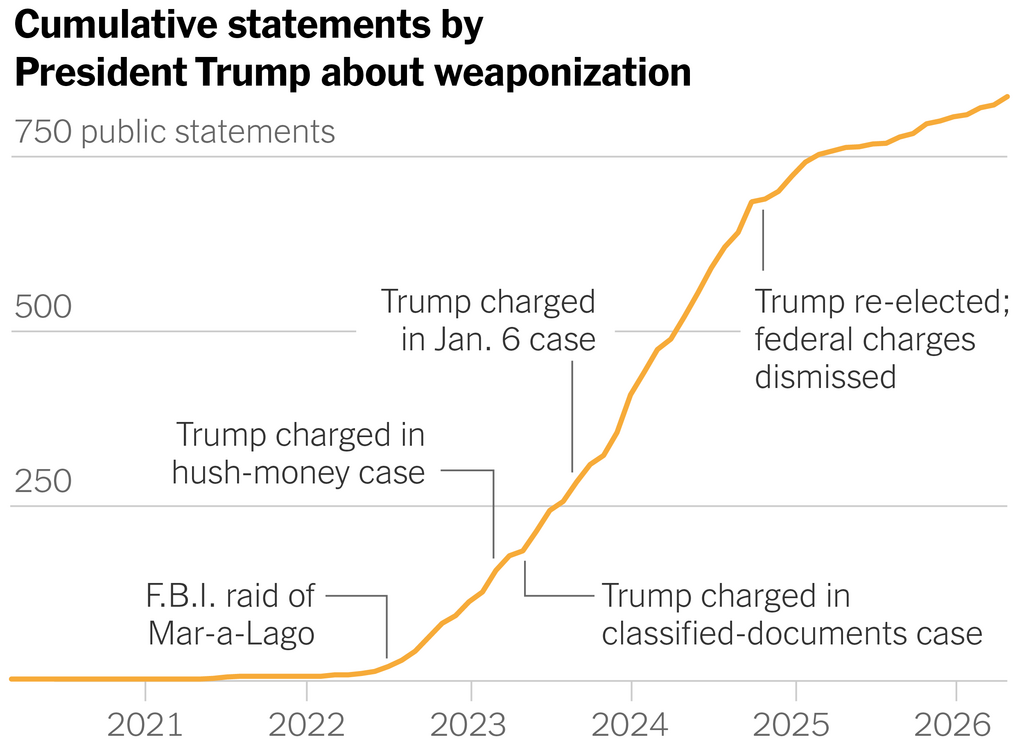
A ‘Weaponized’ Government
More on Politics
War in Ukraine
Tech
Other Big Stories
Across Lebanon, Lydia Polgreen found hope amid the war. Spike Lee cheers on the New York Knicks ahead of the N.B.A. finals: “When the Knicks are winning, this is truly Fun City — born again!” Morning readers: Save on the complete Times experience. Experience all of The Times, all in one subscription — all with this introductory offer. You’ll gain unlimited access to news and analysis, plus games, recipes, product reviews and more.
Baklava Guy: In city parks, at Phish shows and now at the N.B.A. finals, a nomadic pastry salesman builds his brand, one pistachio-laden wedge at a time. The last straw: Only about 800 master thatchers still work in Britain, where homes with straw roofs are coveted properties. A fight over what counts as real “thatch” could mean the end of the trade. Your pick: The most clicked link in The Morning yesterday was a video about the Texas Senate candidate James Talarico. Oscar-winning editor: Marcia Lucas, an important collaborator on the early movies of Martin Scorsese and George Lucas, her first husband, helped shape some of the most important moments in “Star Wars.” She died at 80.
602— That is how many goals Elon Musk has laid out for his companies over the past 15 years. The Times counted how many he has hit.
N.H.L.: The Vegas Golden Knights are up 1-0 in the Stanley Cup Final after an intense 5-4 win over the Carolina Hurricanes. The team that won Game 1 of the final has gone on to win the series 76.4 percent of the time. N.B.A.: The finals between the San Antonio Spurs and the New York Knicks begin tonight. One big question: Who will guard the Spurs’ star big man, Victor Wembanyama?
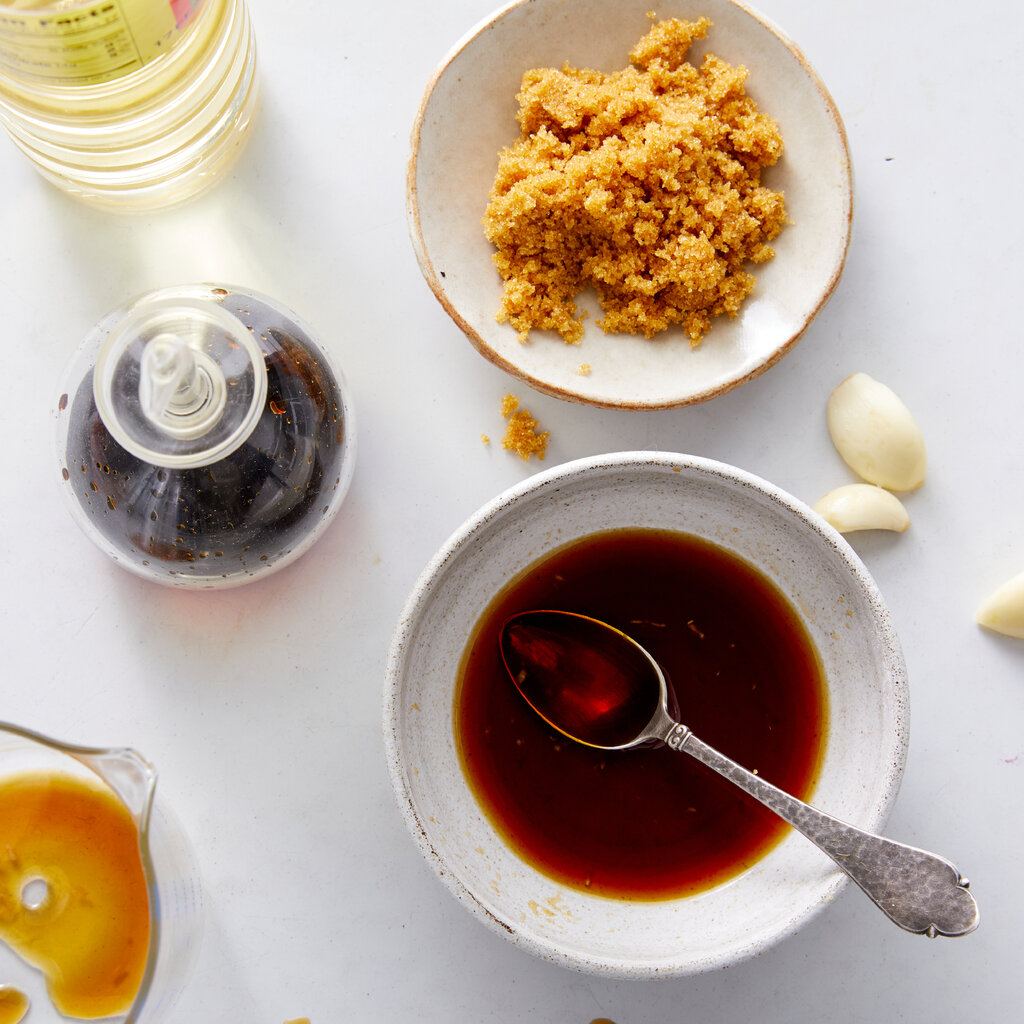
There are many things to do with Genevieve Ko’s recipe for teriyaki sauce that will lead to a very good dinner. Recently, I deployed it as a marinade for some yellowfin tuna steaks I ran into at the market. After an hour or so, I got them into a hot skillet slicked with oil and seared them hard on both sides, 1980s-style, so they were crusted outside and cool and red at the center, then served them over jasmine rice, with a tangle of steamed greens. Try that!
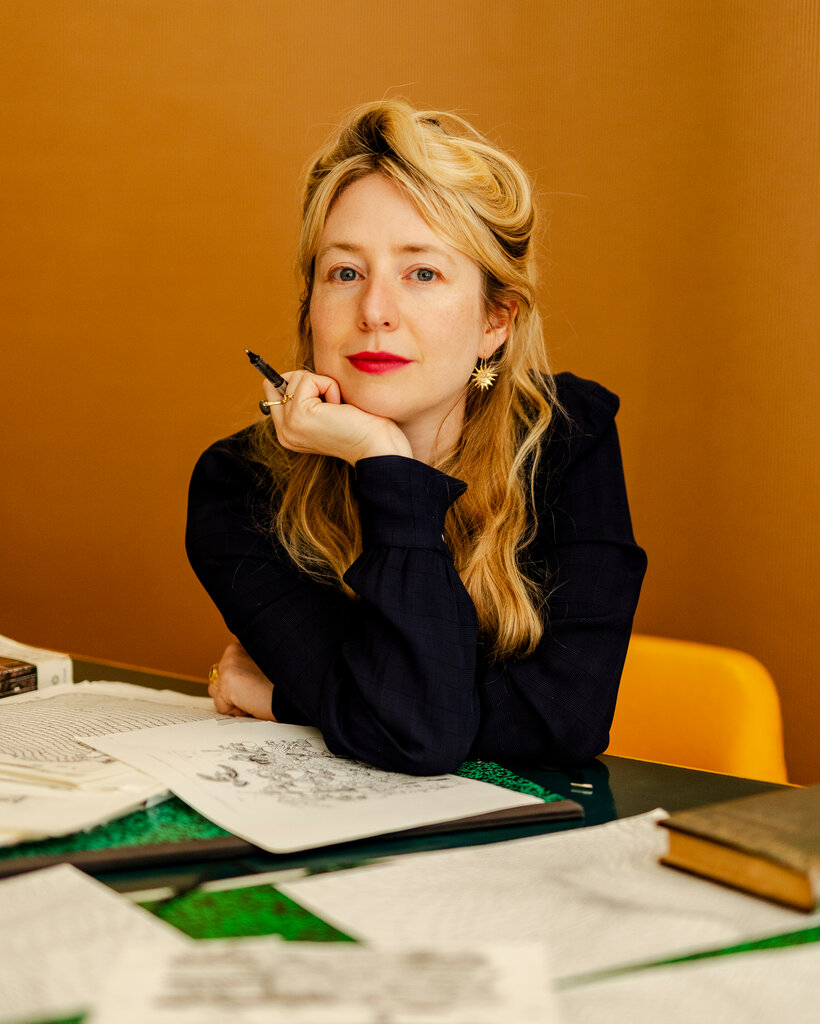
In April, The New York Times Magazine published a list of the 30 greatest living American songwriters. We guessed (correctly) what the reaction would be: a combination of enthusiasm and outrage. That’s what lists are for! No one wanted that passion to go undocumented. So the magazine took a formal poll, and more than 25,000 readers responded. Today we’re unveiling the ranked result: your top 30 greatest living American songwriters, as well as 70 more who follow them. It’s a fascinating list, annotated with readers’ comments, interesting patterns we found in the data and links to favorite songs. Go explore it. More on culture
Read “The Bottom of the Harbor,” Joseph Mitchell’s masterful 1959 collection of stories about New York’s gritty, eccentric, beautiful waterfront. There’s a new edition with beautiful illustrations by Joana Avillez. Stop feeling guilty. It’s making you anxious. It’s making you mad. Here’s how to break free. Reactivate the motion-smoothing function on your television for better viewing of the World Cup and the N.B.A. finals. You can turn it back off when it’s time to watch “Coco” again with the kids. How? Wirecutter can help.
Here is today’s Spelling Bee. Yesterday’s pangram was windmilled. And here are today’s Mini Crossword, Wordle, Connections, Crossplay and Strands. Thanks for spending part of your morning with The Times and me. See you tomorrow. — Sam Sign up here to get this newsletter in your inbox. Reach our team at [email protected].
|