| |||
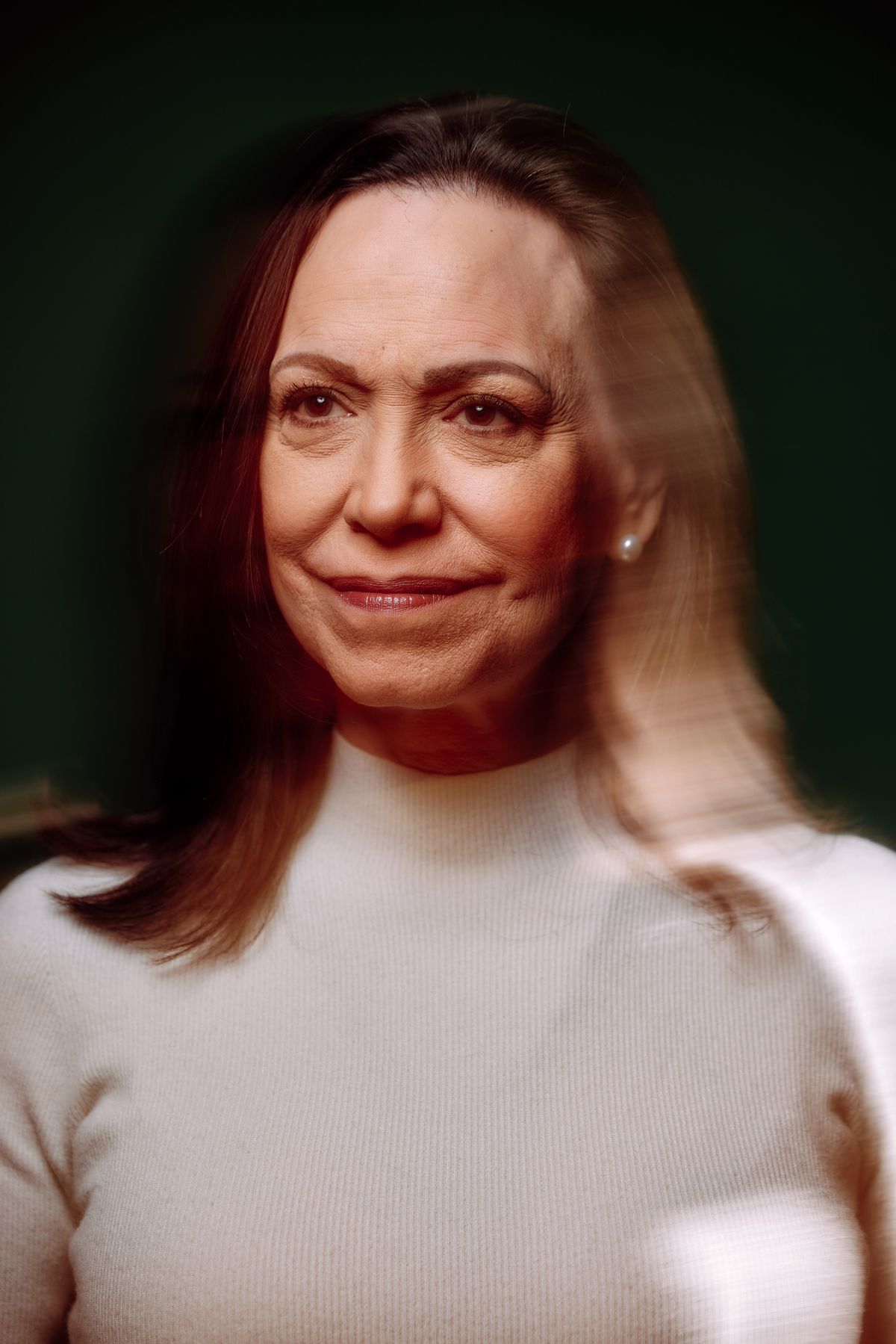
| The Venezuelan politician María Corina Machado hoped to become her country’s leader. The Trump Administration had other priorities. Plus: • Grocery shopping in the age of explosive diarrhea | |||
Among Venezuelans, María Corina Machado is revered to the point of devotion. The Venezuelan opposition leader rose to prominence in the summer of 2024, when she ran for President against Nicolás Maduro and won two-thirds of the vote. During the campaign, Machado travelled across the country in a two-car caravan, dressed in the woman-of-the-people ensemble that she favors for rallies: a T-shirt and jeans, her hair pulled into a ponytail. Wherever she went, Machado would climb onto the roof of her car, with swathes of people assembled around. Supporters hoisted their children toward her or presented her with gifts—amulets, handwritten notes, rosaries, prayer cards. After Maduro brazenly stole the election, Venezuelans put their lives on the line to defend the rightful outcome. So, when President Donald Trump announced the leader’s arrest, on January 3rd, many expected to hear him mention Machado. She retained the support of a majority of Venezuelans and had become the face of the resistance. But Trump never referred to her, nor did he signal a concern for democracy. “We’re in the oil business,” he declared. Maduro’s Vice-President, Delcy Rodríguez, would be left in charge. Observers around the world accused Trump of toppling a foreign government with no plan for the future. Machado, though, was careful not to issue a single criticism. I started reporting this Profile right around that time, and ended up conducting long interviews with Machado, who has been living in exile, and with U.S. officials. The Secretary of State, Marco Rubio, had laid out a three-phase plan for Venezuela, entailing stabilization, recovery, and, ultimately, a political transition. But no one in the Administration ever put forth a concrete electoral timeline, and the U.S. economic incentives in Venezuela overshadowed the question of when—and if—Venezuelans would get to choose their country’s leader. That question has come to define Machado’s time in exile. She remains the most popular politician in the country, but she can’t lead unless she goes back. The Trump Administration seems convinced that her return would deepen the country’s tumult—destabilizing both the regime and the United States’ aims there. Machado’s years in the opposition taught her that the regime would adapt to nearly any circumstances to remain in power. Yet she insisted that the people would no longer allow it. “You cannot sustain an arrangement in which the entire country is against you,” she told me. Machado is now determined to return home. “Wait until I go back to Venezuela. What are they going to do? Throw me in jail? What are the gringos going to do? Negotiate a transition while I’m behind bars?” she asked, flashing a derisive look. “Help me get there. Otherwise, I’ll swim.”
| |||
Editor’s Pick | |||
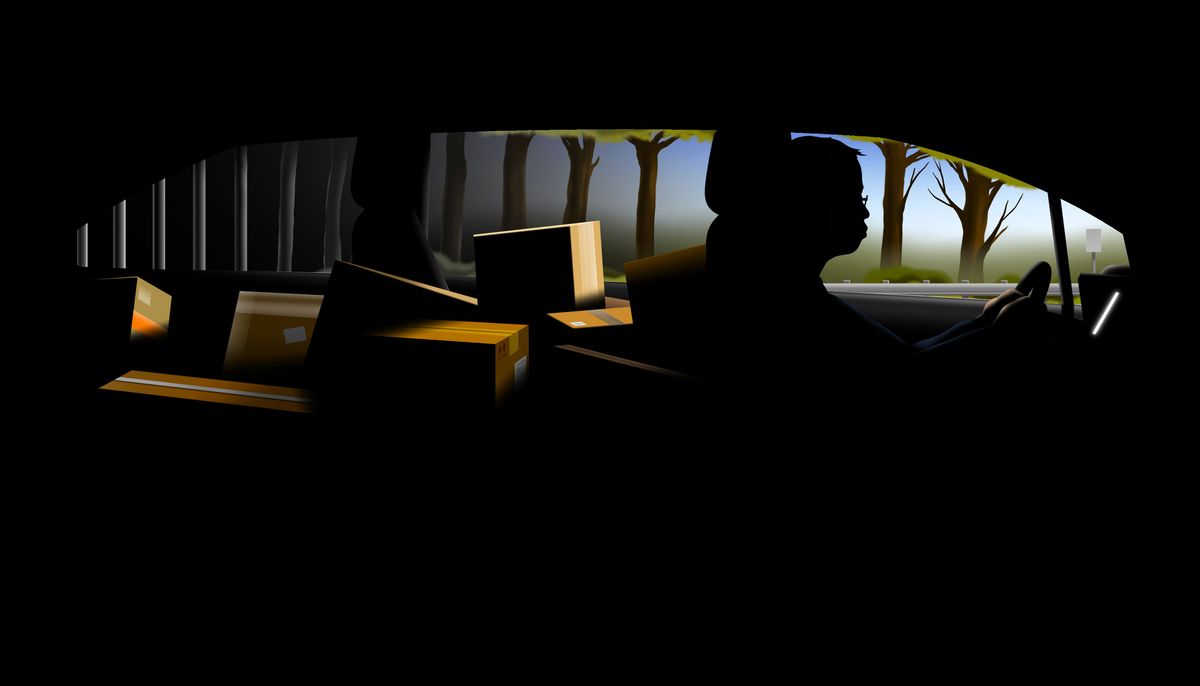 Illustration by Anson Chan In early 2025, a man from Queens arranged to pick up a passenger in New York’s North County. He’s been in jail upstate ever since. Jennifer Gonnerman reports » | |||
More from The New Yorker | |||
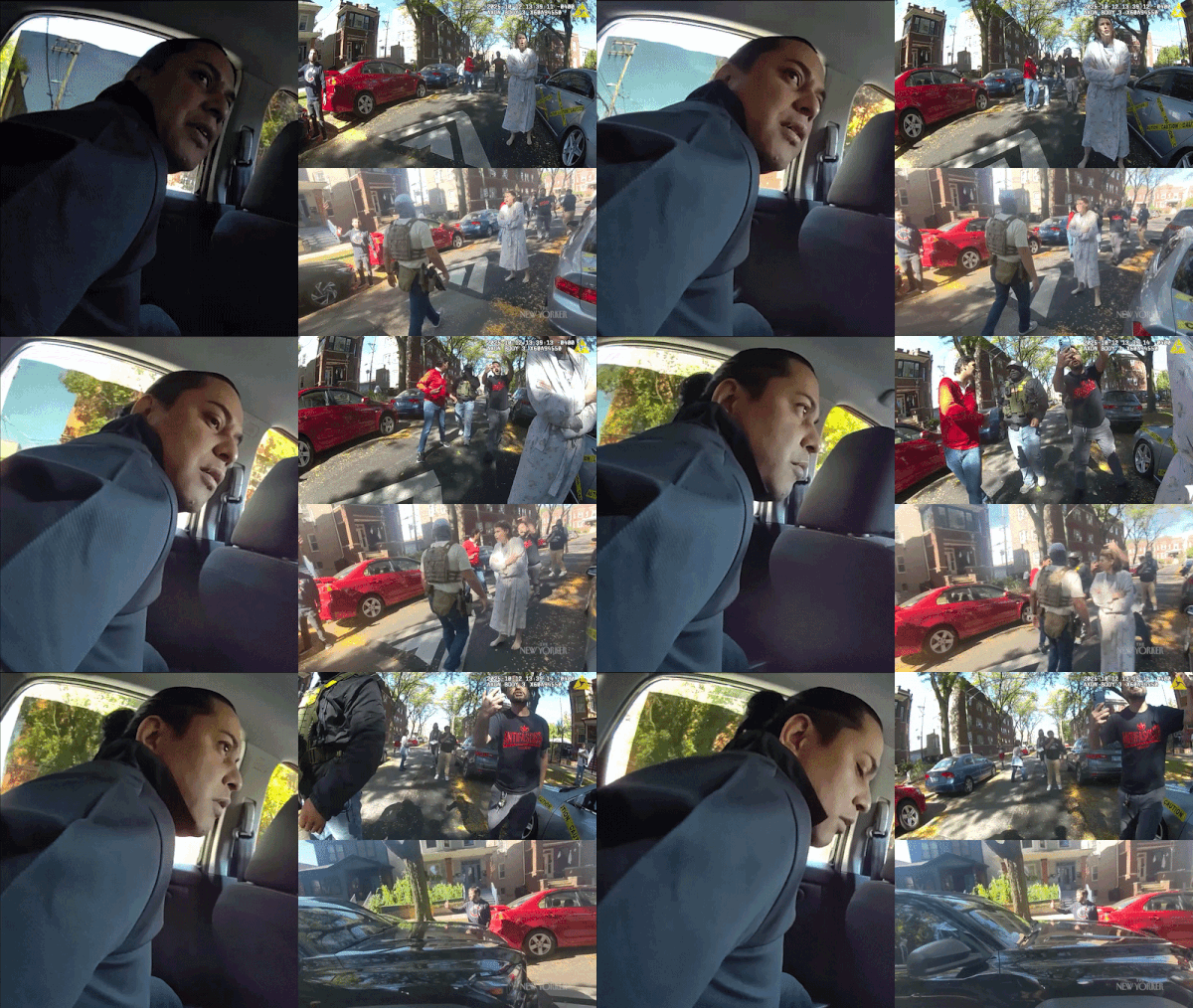
| |||
 | |||
 Today’s Podcast | |||
| “Nation’s Dumbest,” a new game show, has celebrities competing for the dubious title. The Critics at Large discuss how we arrived at the golden age of the American idiot. Listen and follow » | |||
 Our Culture Picks | |||
| |||
 Puzzles & Games | |||
| |||
Today’s Cartoon | |||
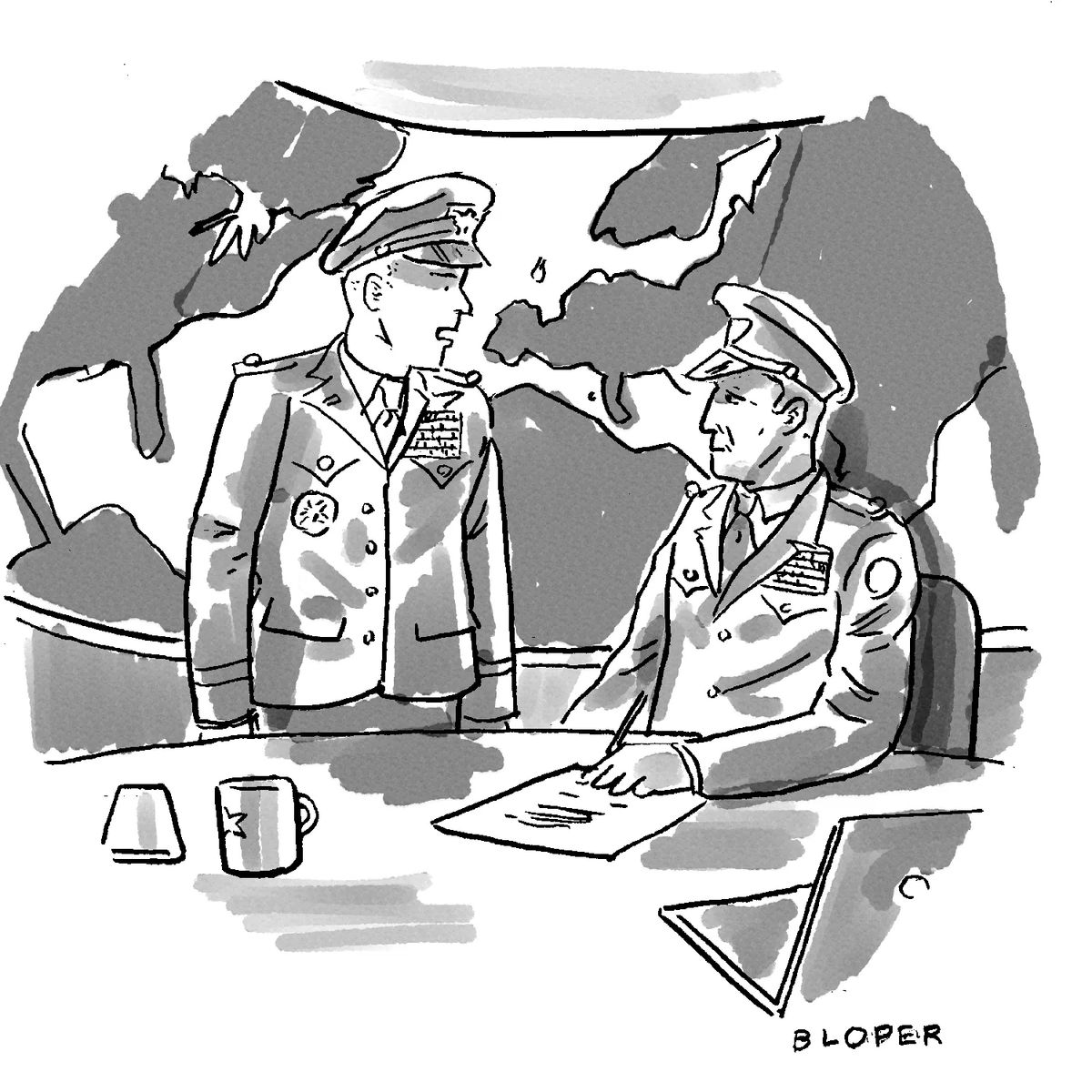 Cartoon by Brendan Loper “What if we call it Operation This Time Will Be Different?”
| |||
| P.S. Helen Phillips’s very short story, the latest in our summer Flash Fiction series, is about the thrill and dread that a parent feels when leaving a child home alone. | |||
| Ian Crouch contributed to today’s edition. |
|