Plus: the latest on the Venezuela military operation; and the making of an American Pope.
View in browser | Update your preferences

The New Yorker Weekly Newsletter Header
An illustration of Eustace Tilley with “100 YEARS” on it.

The New Yorker’s award-winning journalism is made possible by our subscribers. Become one today »

In today’s edition: Charles Bethea introduces his reporting on Marjorie Taylor Greene’s brazen career, her split with the President, and what she’s really up to. Plus: the latest on the Venezuela military operation. Jump to a complete list of what’s in this week’s issue.

Charles Bethea

Charles Bethea
A staff writer focussing on the American South.

The first time I saw Marjorie Taylor Greene in person, a little more than five years ago, she was stroking a cardboard cutout of Donald Trump in an unventilated room in northwest Georgia during the height of the pandemic.

She and the cardboard man have come a long way. Greene fell out of favor with Trump slowly this past year—and then all at once. I’d been tracking the surprising fissures in their relationship for a while when, in mid-November, the President called her a “traitor” on Truth Social. This followed a dizzying number of deviations by Greene from the party line, dating back to early summer—foremost were her very public calls for the Justice Department to release the Epstein files. She’d even had the chutzpah to embark upon a kind of “What’s Wrong with Republicans?” media tour during the shutdown that yielded compliments from as far left as the lips of Senator Bernie Sanders. And this past Saturday, as most prominent members of the G.O.P. were swiftly falling in line behind Trump’s shocking Venezuela operation, Greene called bullshit. “Why is it ok for America to militarily invade, bomb, and arrest a foreign leader but Russia is evil for invading Ukraine and China is bad for aggression against Taiwan? Is it only ok if we do it?,” she posted to X.
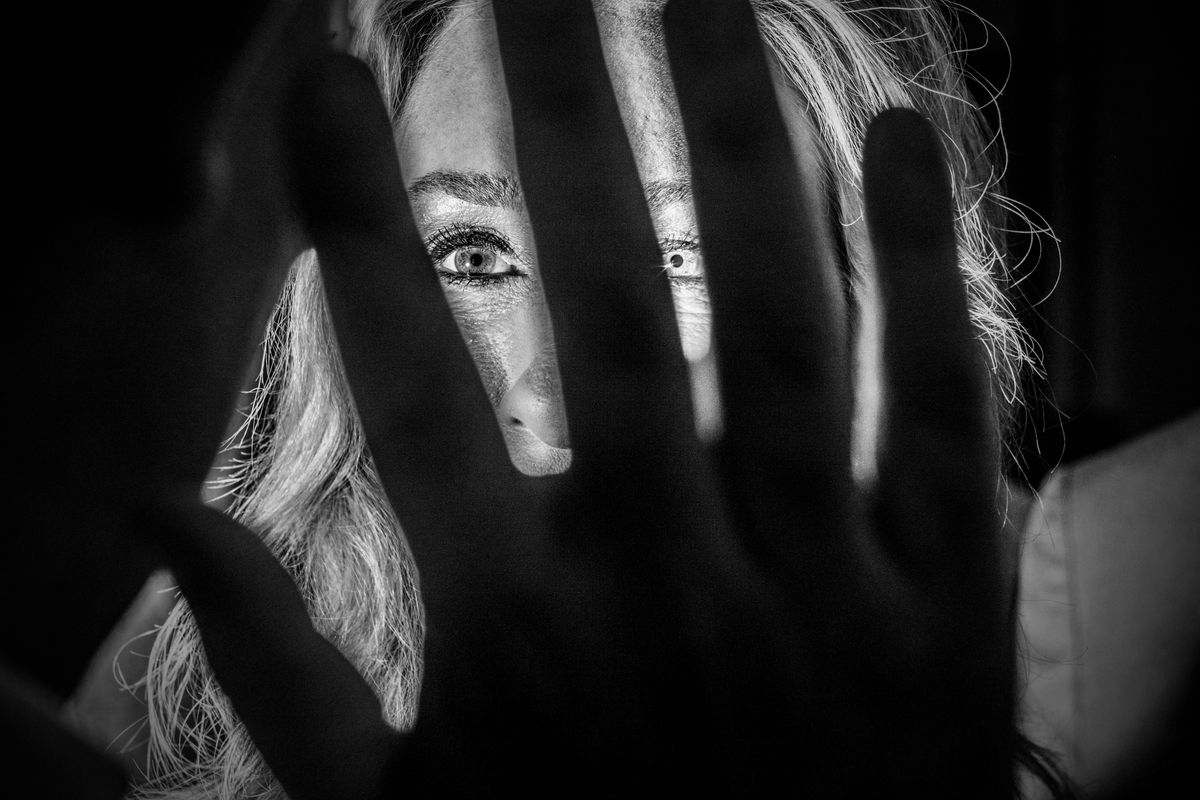
A hand in front of a woman's face

Photograph by Mark Peterson / Redux for The New Yorker

Yet for all of Greene’s surprising turns in the past year, her decision to quit Congress may be the most unexpected. Only one of the dozens of people I’d spoken to about Greene in Georgia, where I live, and D.C., where I travelled to report, thought that she might leave. She officially departs her office today, two days after her pension became available to her. She’d had enough of “the Political Industrial Complex of both parties,” which was “ripping this country apart,” she wrote in a resignation letter, in November. Had the scales really fallen from her eyes, though, or was it something else? Former House Speaker Kevin McCarthy had suggested to me, a few weeks earlier, that Greene is best understood as “the canary in the coal mine of the G.O.P.” In this week’s issue, I consider what that analysis might mean, in the context of Greene’s life and career. Her swan dive from the platform of political office—although still firmly ahold of her social-media bullhorn and other persistent modes of influence—has implications not just for the swath of rural Appalachia that she has represented (as a heroic avatar more than an actual problem solver), but for the future of Trumpism itself.

As the hagiographies pile up, with some casting Greene as populist martyr, it’s worth noting that two things can be true at once: she took a brave stand on behalf of Epstein’s victims, but that decision cannot paper over a career built on pugnacity, paranoia, and brazen misrepresentation, some of which is revealed here for the first time.

Read or listen to the story

An illustration of a book with leggings that are running.
More from the Issue
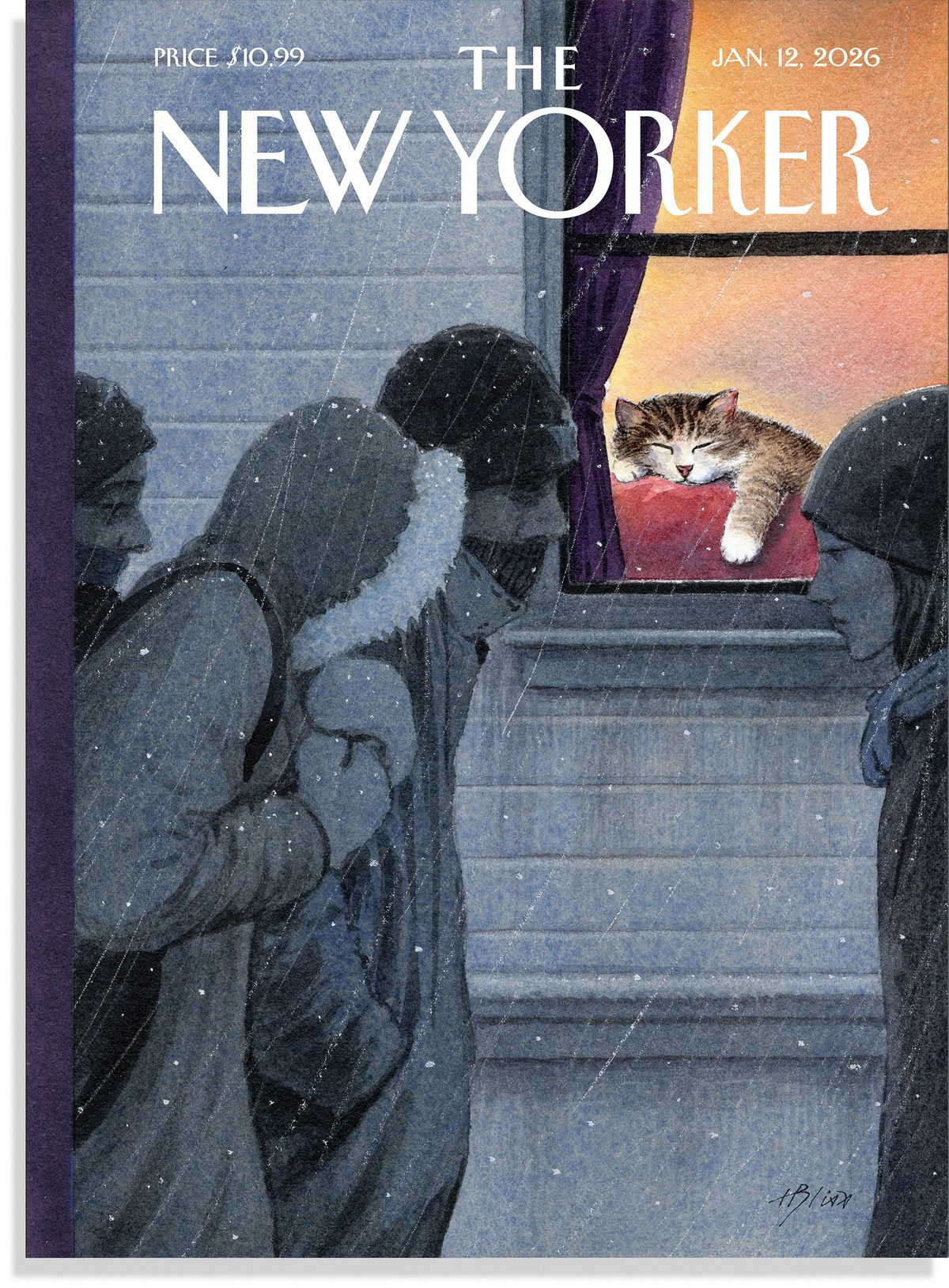
A sleepy cat, who is relaxing indoors, is visible through a window, as passersby look in from outside, on a cold winter day.

Cover by Harry Bliss

The American Pope
Paul Elie on how Robert Prevost became Leo XIV

Fireproofing West Coast wine
Nicola Twilley on protecting vineyards from smoke taint

Life in the age of ICE raids
Jordan Salama on a Mexican American family preparing for painful separation

Plus: Justin Chang on “Young Mothers”; S. C. Cornell on consent; and more.

Explore the issue

An illustration of a small pencil shining out of a ring box.
In Case You Missed It
Fire next to buidlings
The Lede
Regime Change in America’s Back Yard

What comes after Nicolás Maduro’s ouster in Venezuela?

By Jon Lee Anderson
Donald Trump at a podium
Q. & A.
The Brazen Illegality of Trump’s Venezuela Operation

A scholar of international law on the implications of the U.S. arrest of President Nicolás Maduro.

By Isaac Chotiner
Figure stands at podium making hand gesture
The Lede
Who’s Running Venezuela After the Fall of Maduro?

The country’s interim leader, Delcy Rodríguez, is in the awkward position of having to appease two hard-line, opposing audiences: the Trump Administration and what remains of the Venezuelan regime.

By Jonathan Blitzer
An animation of a diamond’s surface.
The Lede
How Taylor Swift’s Engagement Ring Is Changing the Diamond Game

For decades, couples were told to value a certain kind of rarity. The jewelry designer Kindred Lubeck, with the help of her most famous client, is popularizing the unique qualities of old-mine-cut stones.

By Emilia Petrarca
Illustration of Joan Lowell jumping over a crocodile.
The Weekend Essay
Joan Lowell and the Birth of the Modern Literary Fraud

A century ago, an aspiring actress published a remarkable autobiography. She made up most of it.

By Michael Waters
Shirt with bunny on a clothes hanger, promoting The New Yorker Store.

Start the year with savings! Through today, enjoy 15% off nearly everything in The New Yorker Store. Browse and buy »

An illustration of a microphone.
Quote of the Week

“Trump has always been a mirror for other people’s souls, an X-ray revealing America’s dysfunction. If this was a test, there were more failing grades than we could have imagined.”

— Susan B. Glasser on the President’s golden age of awful

Podcasts
Logo of The New Yorker Radio Hour

The New Yorker Radio Hour: The salsa star Rubén Blades talks to David Remnick about acting, politics, and the power of music. Listen and follow »

“Blood Relatives,” from In the Dark: A six-part series that asks whether one of the U.K.’s most famous murder cases ended with a wrongful conviction. Listen and follow »

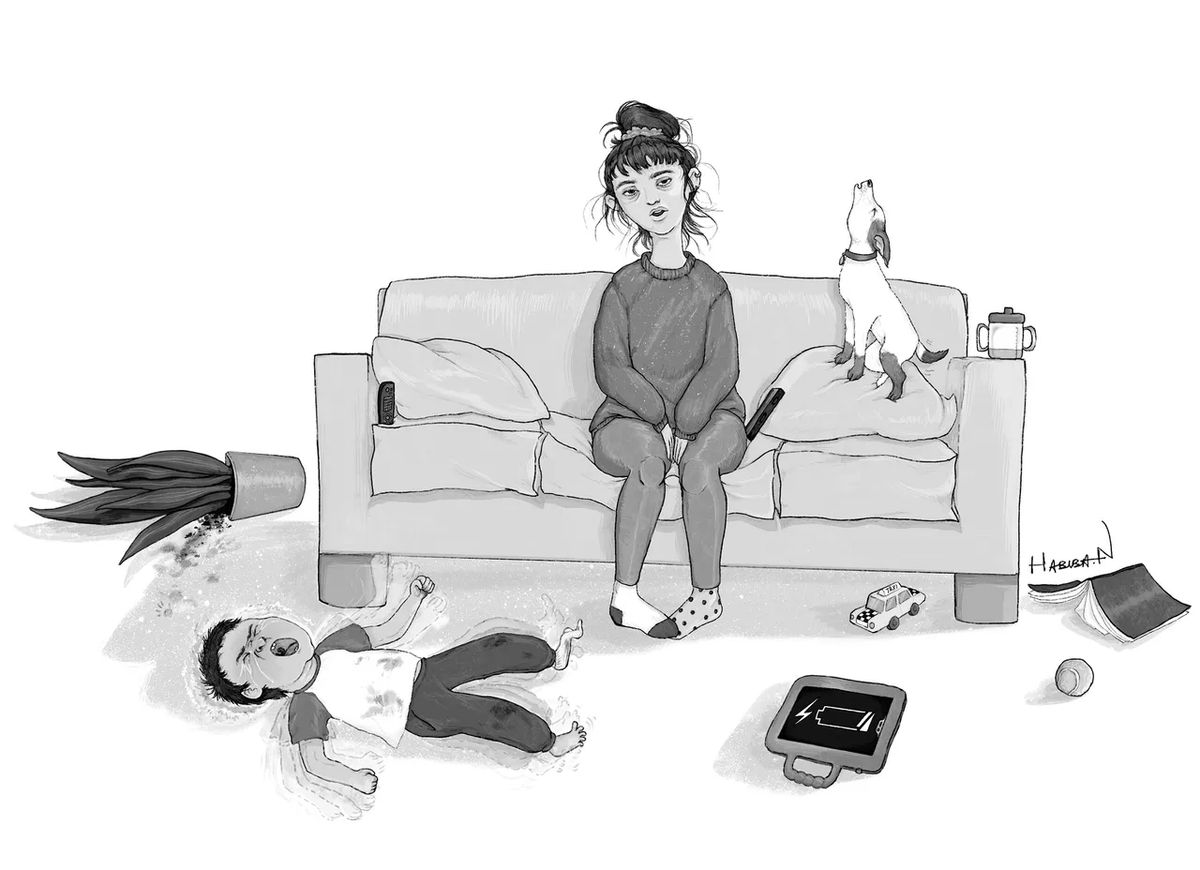
Image may contain: Art, Drawing, Child, Person, Couch, Furniture, Face, Head, Adult, Animal, Canine, Dog, Mammal, and Pet

Cartoon by Habiba Nabisubi

“Same.”

See the cartoons from this week’s issue

P.S. “The thing is, do we actually need mommies?” In a new Shouts & Murmurs, Teddy Wayne imagines the podcasters making up the “boyosphere.” 🎤

Illustration of stacked coffee mugs and a person reading a book.

Get more New Yorker in your inbox.

Was this forwarded to you? Sign up to get the weekly newsletter. Or explore more newsletters on books, science, food, politics, and more.

You’re receiving this e-mail because you signed up for the weekly newsletter from The New Yorker.

Manage your preferences | View our Privacy Policy | Unsubscribe

Copyright © Condé Nast 2025. One World Trade Center, New York, NY 10007. All rights reserved.