|
Good morning, Andy!
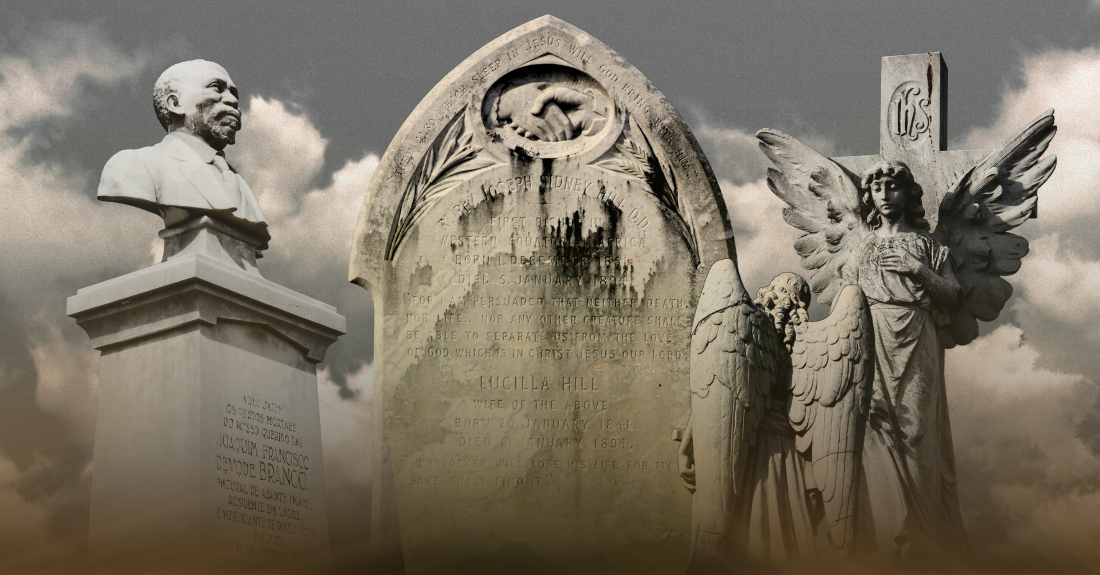
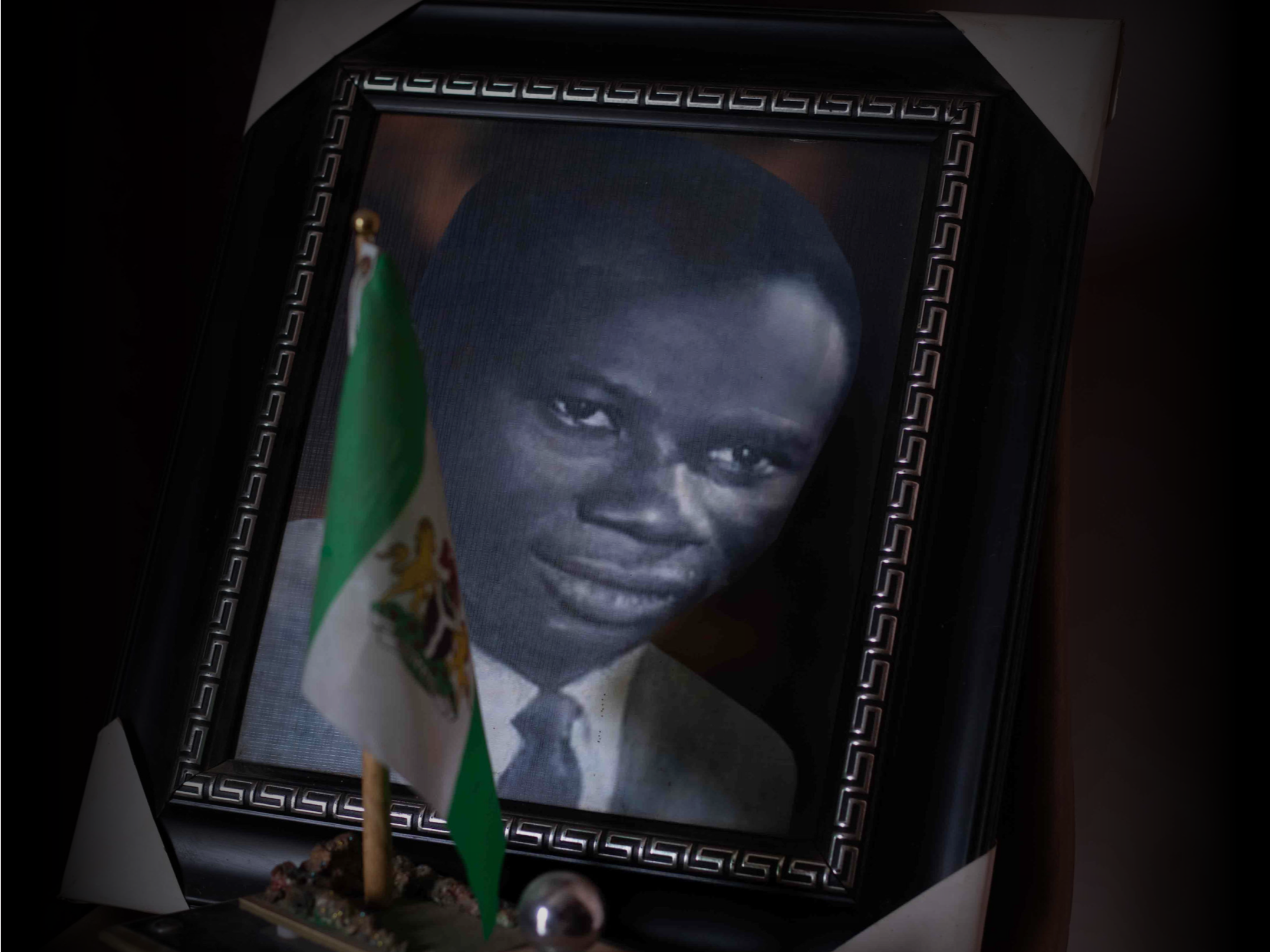
Ikoyi Cemetery, which was once a revered resting place for some of the most notable figures in Nigerian history, is now a shadow of its former self as a result of neglect and the expansion of Lagos.
Today’s photo essay by Kelechi Anabaraonye looks at the current state of Ikoyi Cemetery and why its historical significance needs to be preserved.
According to Anabaraonye, Ikoyi Cemetery encapsulates the transformation of Lagos from a colonial stronghold into a postcolonial metropolis, mapping in stone and soil the reconfiguration of power, prestige and memory. As Lagos grew outward from its colonial core, the city’s political and social elite followed, establishing new centres of authority in Ikoyi. The cemetery rose in tandem with this shift, gradually replacing Ajele, which once lay at the symbolic heart of colonial Lagos, as the burial ground of choice for those whose lives signified influence, accomplishment or status. In this way, Ikoyi became a curated space of remembrance, its gravestones marking not just individual lives, but a broader reordering of urban memory. The interment of figures such as Ada Adela Holm, linked to the city’s artistic heritage and Christiana Josepha Carrena, mother of a prominent civil servant, reflects the cemetery’s alignment with narratives of legacy and civic contribution.
Even foreign dignitaries such as Herr Carl Wilhelm Johanning, Giuseppe del Grande and Susan Laura Carter were absorbed into this landscape of prestige, further reinforcing Ikoyi’s role as a selective archive of Lagos’s cosmopolitan elite. But Ikoyi does more than commemorate; it reveals the politics of who gets to be remembered and where. In its carefully chosen burials, architectural symbolism and historical continuity, the cemetery stands as a negotiated space where memory is not simply preserved, but shaped—where Lagos’s past is filtered through the lens of aspiration, visibility and spatial hierarchy.
Before reading the full essay, rate today’s headline illustration (1=bad, 5=great): 1 2 3 4 5
Read the full essay here.
Want to read more? We’ve handpicked three related essays we think you’ll find engaging. These essays are available to our subscribers and you can subscribe here:
The Yorubas of Ghana by Olaoluwa Olowu
Who Will Bury Mr. Taiwo? by Yusuf Omotayo
An Ode to Amala by Ayoola Oladipupo
Enter our student essay competition for a chance to win ₦500,000. Submissions close at noon (WAT) on 22 June 2025. Learn more here.
For unlimited access to our entire coverage, start a paid subscription today.
Enjoy reading,
Yusuf Omotayo
Senior Associate Editor, The Republic
|