DAILY HIGHLIGHTS

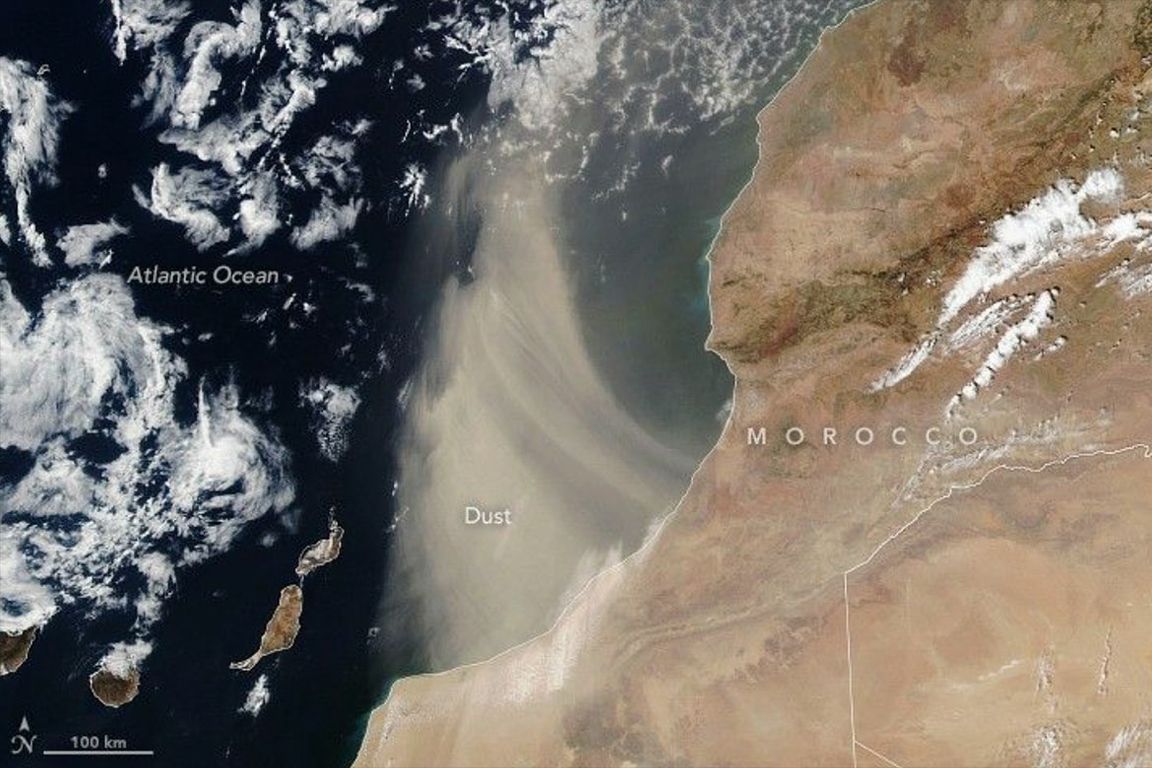
Desert dust research could lead to more precise weather forecasts

Satellite image of a large Saharan dust plume blowing westward from Morocco over the Atlantic Ocean, with the Canary Islands visible below the dust cloud.

The findings show that the heat-trapping effect of airborne desert dust in the atmosphere is about twice as big as previously believed. “Current climate models undercount the heating effect of dust by about half,” UCLA’s Jasper Kok said. “The climate models remain effective and useful, and this will make them even more precise.”

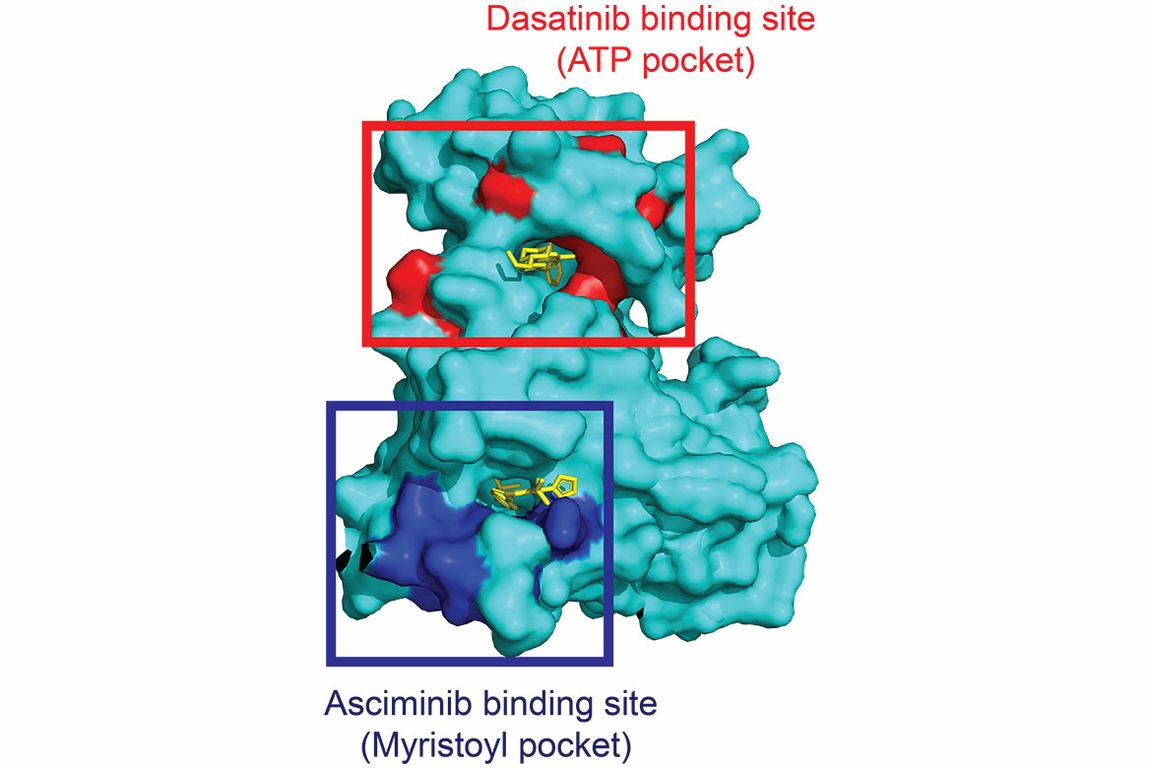
Improved molecular probe could help boost drug discovery 

3D molecular surface rendering of BCR-ABL kinase showing two drug binding sites in red and blue

A research collaboration led by UCLA unveiled a new technology that may help scientists better understand how small molecules, including many drugs, bind to proteins. Because most small-molecule drugs act by binding to specific protein targets, finding precisely where these molecules bind is a major benefit for drug discovery.

The rise of the short-attention-span novel — and more media coverage of UCLA

Illustration of a hand holding a small pink-and-white book against a blue background.

The Los Angeles Times explored how shrinking attention spans and digital habits may be reshaping contemporary fiction, citing insights from UCLA English professor Mitchum Huehls. Read more about UCLA in today’s CBS News, New York Times and others.

UCLA in the News headlines
Go to UCLA Newsroom

UCLA on Facebook

UCLA on Instagram

UCLA on LinkedIn
 
UCLA on X

UCLA on YouTube
This newsletter is published by UCLA Media Relations. Contact UCLA Newsroom by email or call 310-825-2585.


This email was sent to [email protected]
why did I get this?    unsubscribe from this list    update subscription preferences
UCLA Media Relations · 325 Westwood Plaza · Los Angeles, CA 90095 · USA