Hi readers, Cameron Peters here.
Over the weekend, communities in Providence, Rhode Island, and Sydney, Australia, were shaken by mass shootings. In Providence, a shooter targeted students at Brown University on Saturday, killing two and injuring nine.
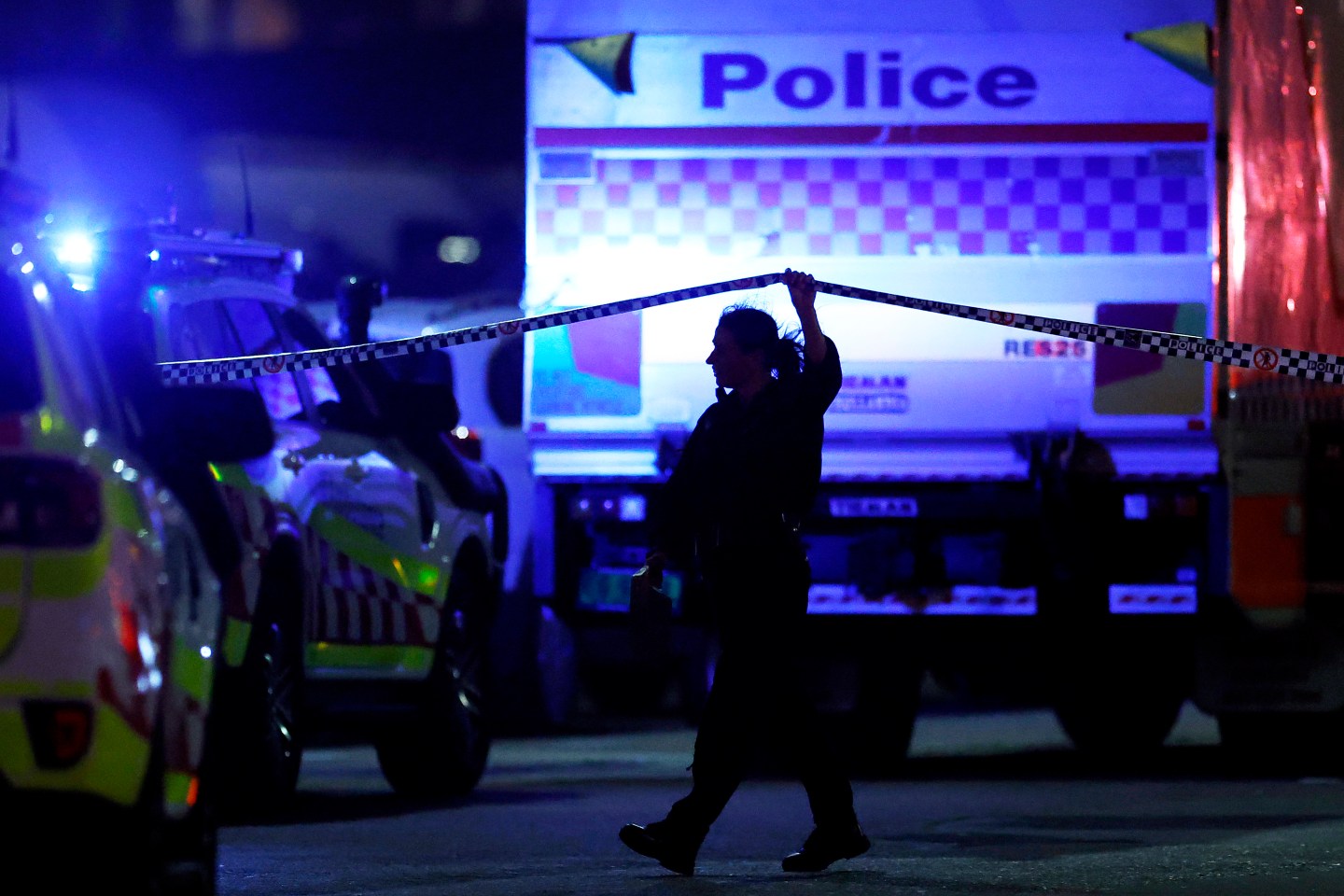
In Australia, two gunmen opened fire on a celebration of the first day of Hanukkah at Sydney’s famous Bondi Beach, killing 15 and injuring dozens more. One of the gunmen was also killed, and another alleged shooter was injured and is now in custody. Here's what we know about the attacks: |
|
|
Darrian Traynor/Getty Images |
|
|
What do we know about the motive of the attack in Australia? Australian officials have described the shooting as a targeted antisemitic attack. Incidents of antisemitism are rising in Australia and globally; Jewish Australian communities have been targeted with antisemitic graffiti, vandalism, and arson over the past two years, resulting in the creation of an antisemitism task force in December 2024. Australia’s low levels of gun violence make the shooting shocking, but it remains situated firmly within a disturbing trend of similarly antisemitic incidents worldwide.
In addition to the string of recent incidents in Australia, a Jewish couple was shot and killed in Washington, DC, in May 2025, outside of an event at the Capital Jewish Museum. In October 2025, two people were killed in an attack on a UK synagogue over the Yom Kippur holiday.
What’s the context of the violence in Australia? We will likely continue to learn more about both attacks in the coming days, but there are a few things worth noting about the violence in Australia in particular. It’s unusual because mass shootings are exceedingly rare in Australia; this is the worst in almost 30 years, since a 1996 attack in Port Arthur killed 35 people. Australian lawmakers responded swiftly to that shooting, passing a broad — and effective — gun control law.
That law resulted in the mandatory buyback of some 650,000 guns, as well as a ban on some kinds of weapons, including automatic and semi-automatic rifles. Australia also established a national firearm registry and began requiring permits for firearm purchases.
The result was striking: While it didn’t entirely end gun violence in Australia, the National Firearms Agreement “likely saved a lot of lives,” as my colleague Zack Beauchamp reported in 2022. Gun deaths, both suicides and homicides, dropped substantially.
What about the Brown shooting? We don't know much about the motive in the Brown shooting, but one thing is very clear: Unlike in Australia, mass shootings remain disturbingly common in the US. As the New York Times reported Saturday, at least two Brown students on campus at the time of the attack had previously experienced school shootings; Mia Tretta, 21, was shot in the stomach in her high school in 2019, while Zoe Weissman, 20, witnessed the Marjory Stoneman Douglas shooting from her nearby middle school in 2018.
“What I’ve been feeling most is just, like, how dare this country allow this to happen to someone like me twice?” Weissman told the Times.
|
|
|
The Vox Membership program is getting even better with access to Vox’s Patreon, where members can unlock exclusive videos, livestreams, and chats with our newsroom.
Become a Vox Member to get access to it all. |
|
|
| Pop culture is conservative now |
Why books, movies, music, and fashion have all taken a turn to the right. |
|
|
Today’s edition was produced and edited by me, staff editor Cameron Peters. Thanks for reading! |
|
|
Are you enjoying the Today, Explained newsletter? Forward it to a friend; they can sign up here. And as always, we want to know what you think. Let us know by filling out this form or just replying to this email.
|
|
|
|