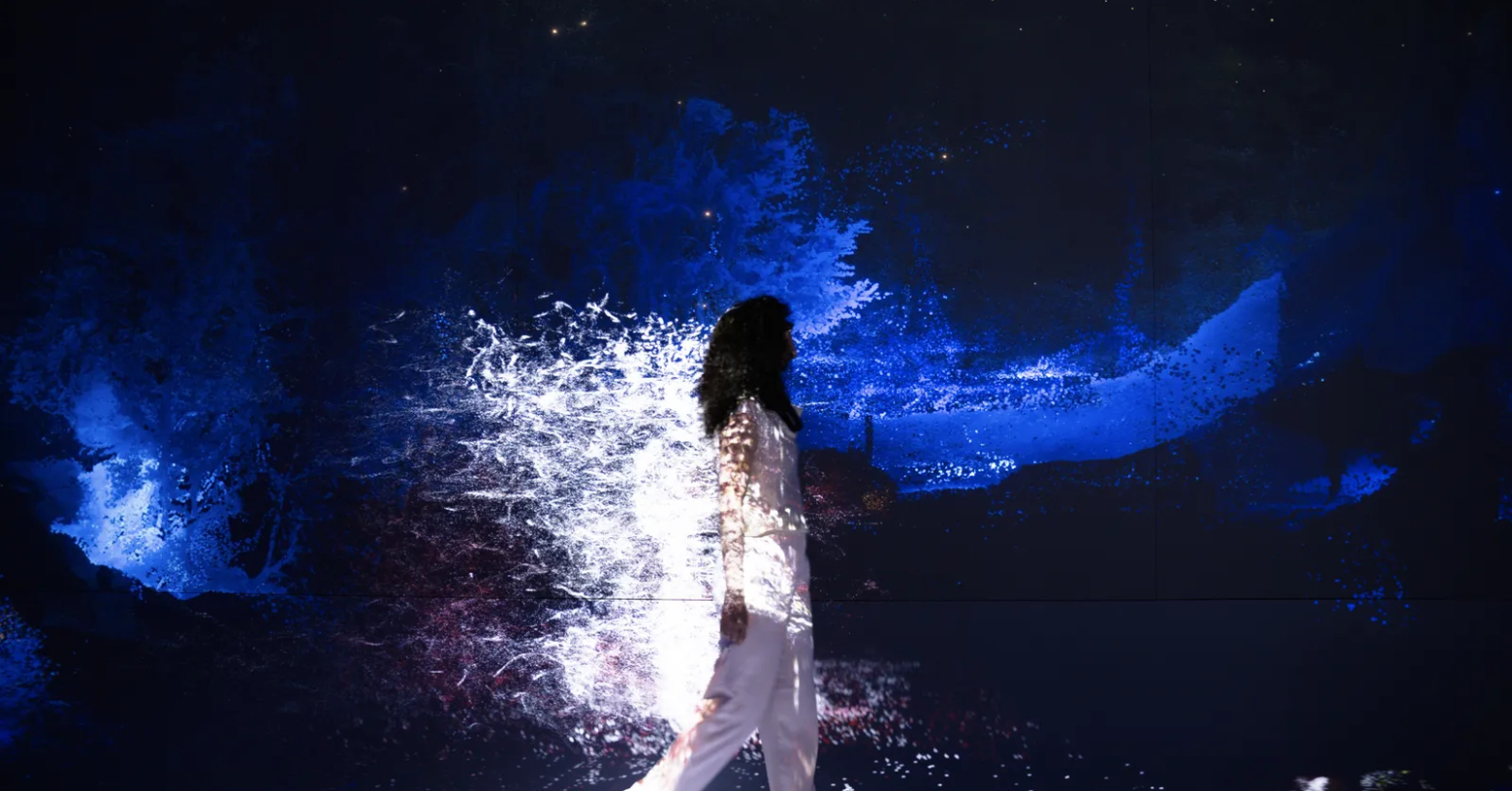
| | Hannah Silver, arts & culture editorHow would you like your art this summer? At Dataland, the world’s first museum of AI arts, set within a Frank Gehry-designed building in Los Angeles, art is painted in pixels – 50 billion of them to be exact. The experience is a world apart from the ubiquitous immersive exhibitions that have popped up in every major city, argues our writer, Hunter Drohojowska-Philp. Do you agree? Step inside (virtually, naturally) with her review. |
 |
 |
|
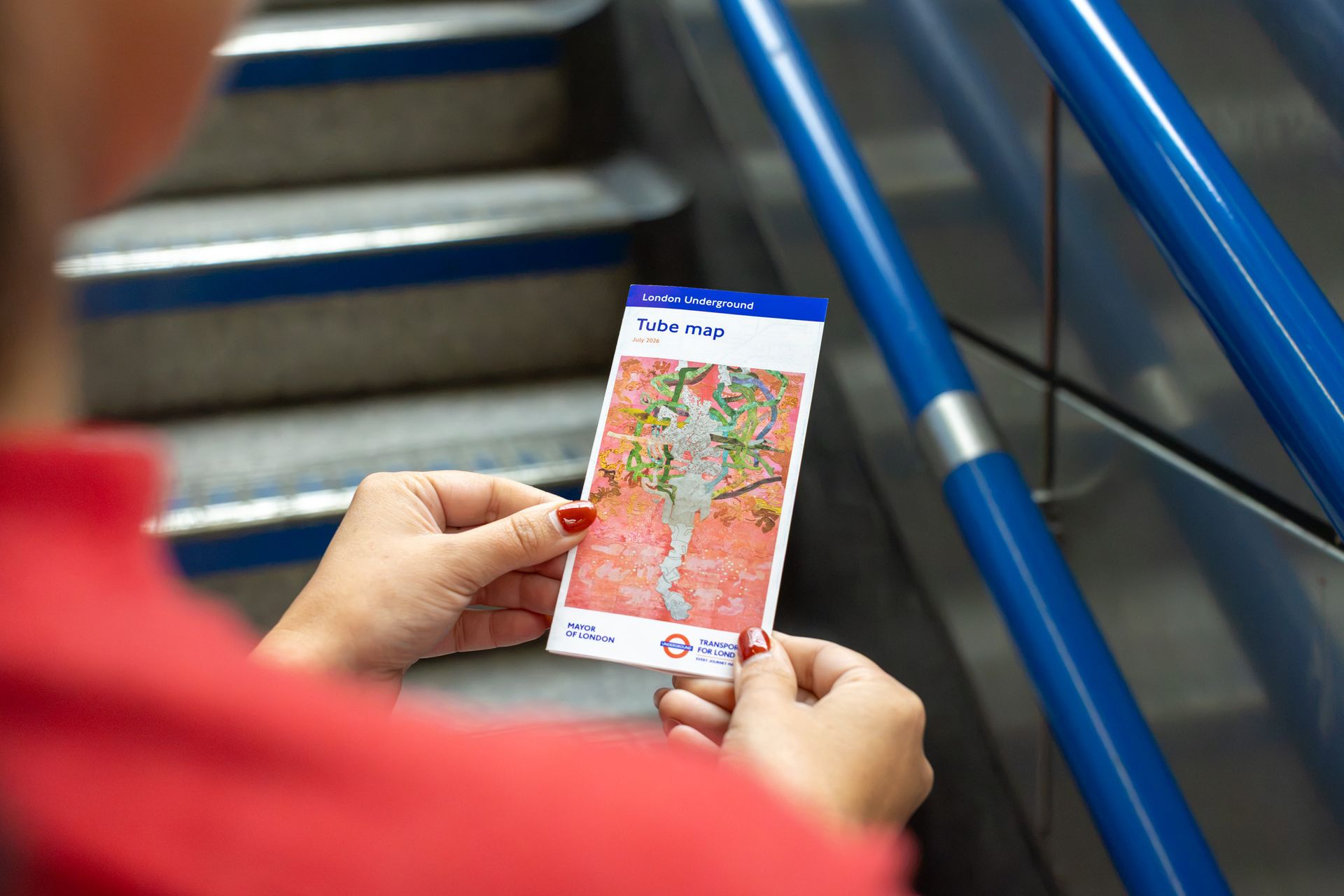
If you prefer a more traditional viewing experience, I can recommend a visit to the Haus der Kunst museum in Munich. The building has a complex history, having originally opened in 1937 as one of the Nazi regime’s first architectural projects and a showcase for the party. Today, the museum’s smart and thoughtful artistic direction means the exhibition programme is always crammed with must-sees, and Argentine artist Tomás Saraceno’s current takeover must be seen to be believed. Saraceno weaves links between key elements of our ecosystem, with air, water, dust and even spiderwebs becoming playful and moving installations in his hands. For more inspiration, follow our round-ups of the best art exhibitions to see in London, New York and Los Angeles, and read on for news of high-tech tricks of the light at the Sagrada Família; a church-turned-arts space in Arles; and the latest pocketable art that comes with the London Tube map. |
14 logos that defined American graphic design history |
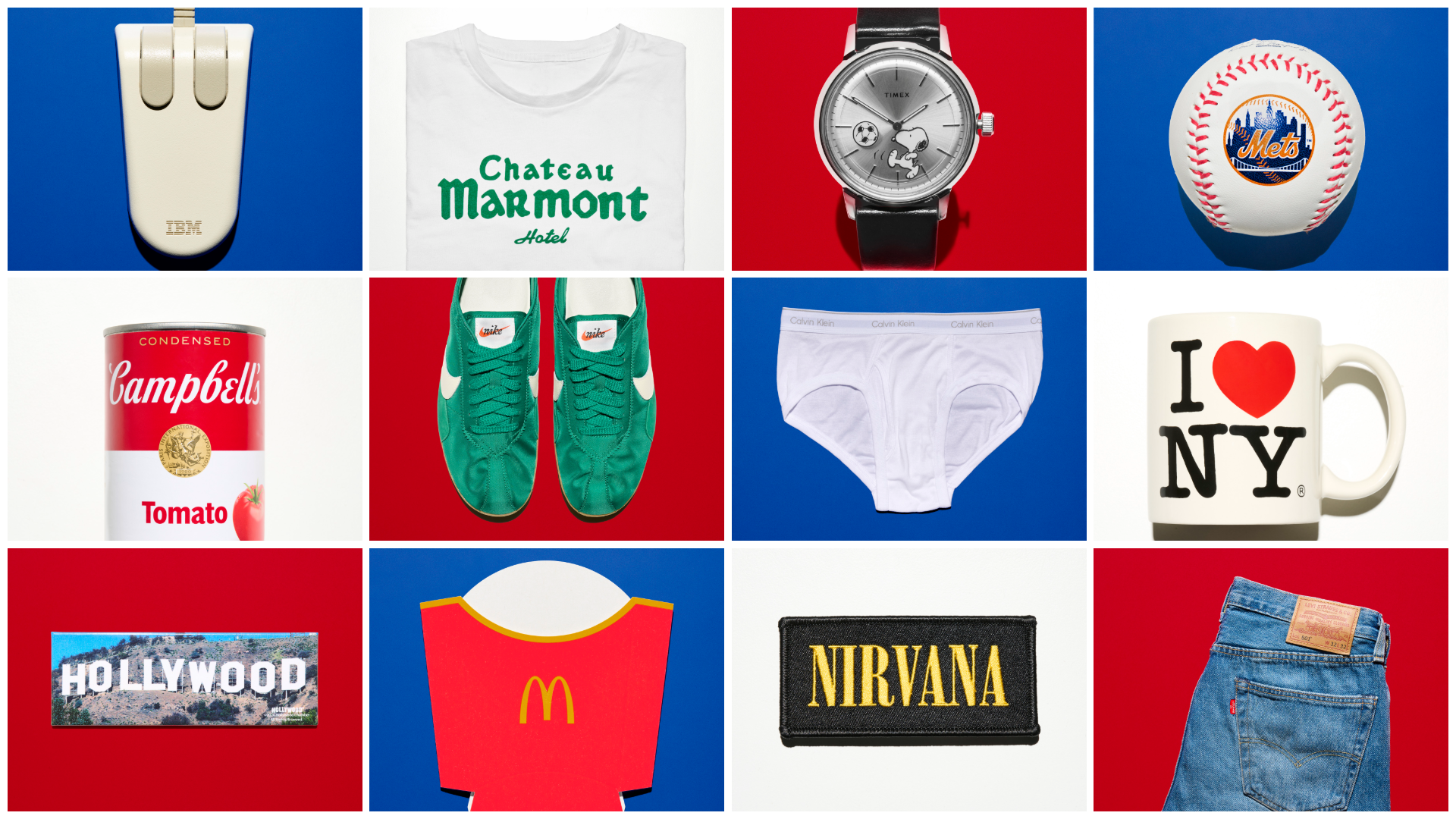
Making it in the land of opportunity has often required outlandish signage and bold graphical articulation. Here we have selected a series of American objects that bear instantly recognisable design statements that have stood the test of time. Is there something distinctly American in their combination of commerce and culture, or is successful branding simply a case of mass consumption meets volume marketing?
All the examples featured here have become acknowledged showstoppers in their respective genres, adorning everything from fashion and fast food to architectural wonders and waistbands, mashing up high art and commerce in wondrous combinations along the way. These are their creative stories.
|
Invisible technology sets the Sagrada Família’s final sculpture aglow |
|
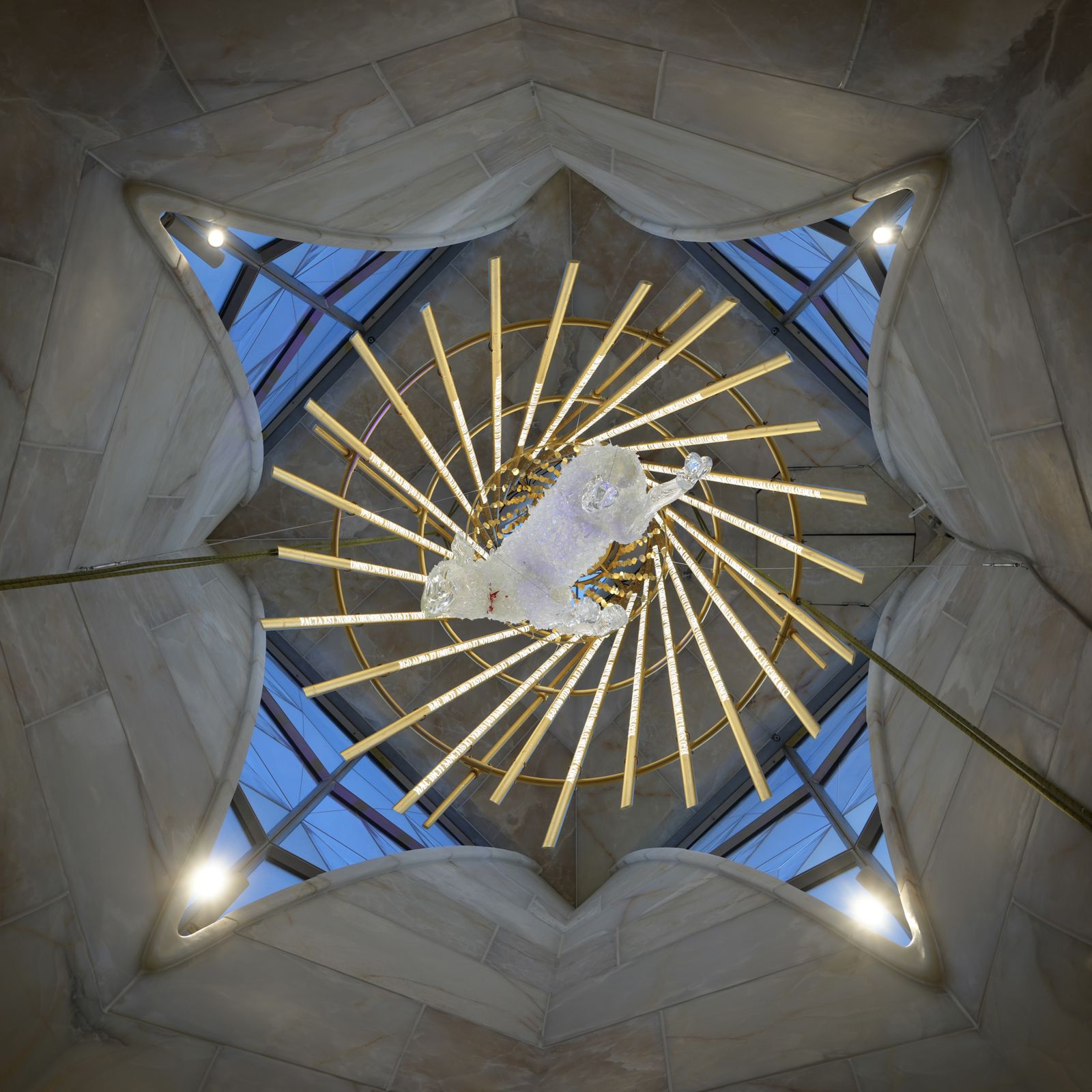
At the Sagrada Família in Barcelona, Andrea Mastrovito’s monumental new Agnus Dei installation – a symbolic glass lamb set within the cross crowning the 172.5m Tower of Jesus Christ – is intended to bring Antoni Gaudí’s vision to completion. But how to set it off just so? The ‘art engineers’ at London-based Studio Waldemeyer were tasked with illuminating the sculpture without showing obvious light sources – calling on the blend of design, engineering and craftsmanship that encapsulates his studio’s expertise.
Rising to the challenge, the team devised a concealed ultraviolet lighting technology with high-energy focused light sources that activate the artwork’s phosphorescent pigments after dark, making it glow. This also allows verses from John 1,29, inscribed within the gilded rays surrounding the sculpture, to emerge. The project was achieved using newly developed technology inspired by automotive lighting and applied to evoke an emotional visual effect. The result, the studio explains, ‘feels like pure magic: an artwork that emits a mysterious glow without any visible light source, wiring or technology. The engineering disappears entirely, leaving visitors to encounter only the lamb and its seemingly immaterial light.’
|
|
These design studios embody the contemporary American Dream |
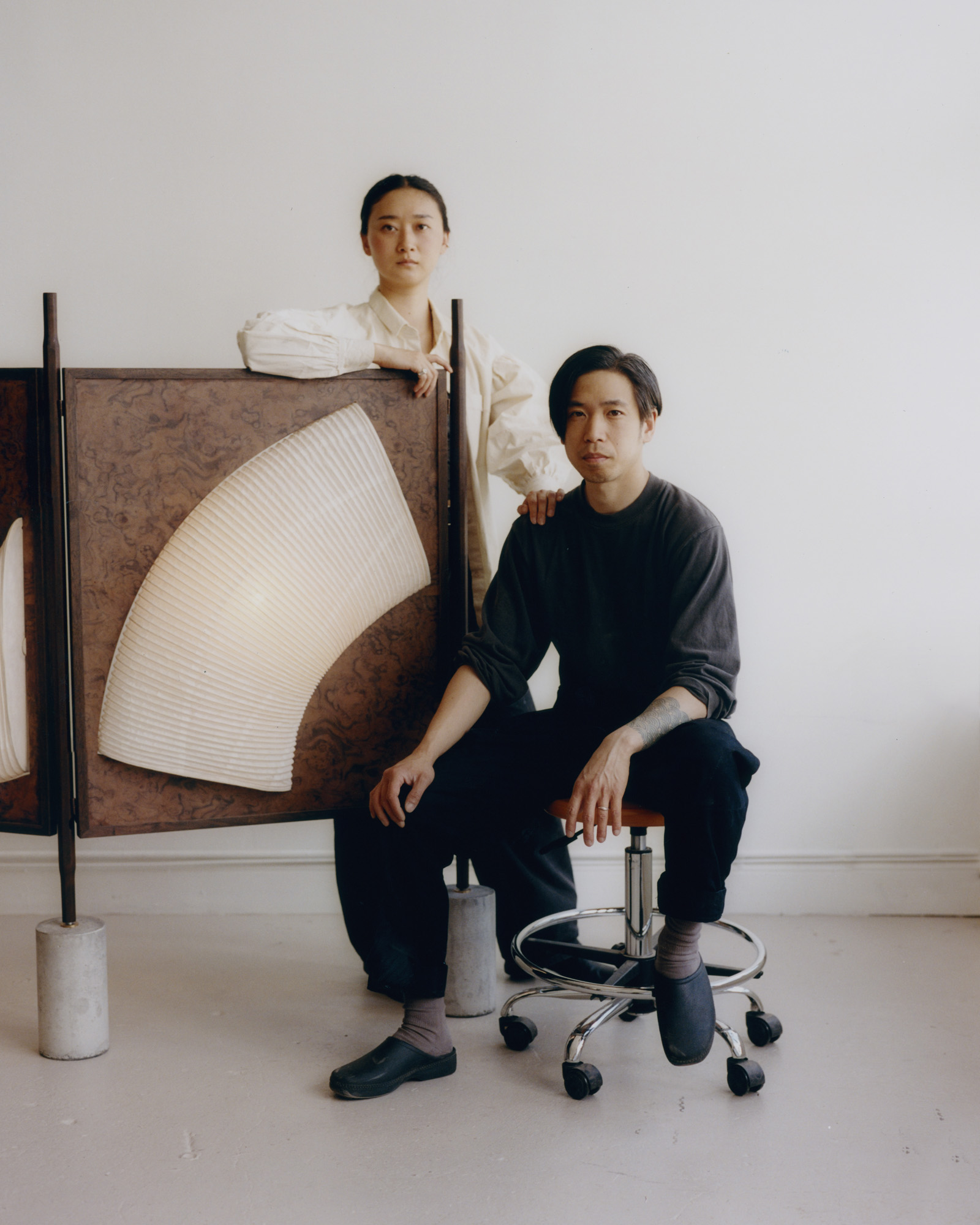
Artists and designers from the world over continue to choose to make the US their home. As the latest newcomers in this ‘nation of immigrants’ join a crowd of inspiring locals with dual heritage, their varied experiences are helping to shape creative America. Celebrating the plurality of voices contributing to this crucible of culture and dynamism, we speak to five studios to watch. Their founders (all Wallpaper* US400 honorees) have roots, variously, in Poland, Vietnam, India, South Korea and China, but have made the US their creative base. Here, they tell us how their heritage influences their creative output.
|
|
| |