Plus, the Kirk Gibson’s Center for Parkinson’s inclusive design story. ͏  ͏  ͏  ͏  ͏  ͏  ͏  ͏  ͏  ͏  ͏  ͏  ͏  ͏  ͏  ͏  ͏  ͏  ͏  ͏  ͏  ͏  ͏  ͏  ͏  ͏  ͏  ͏  ͏  ͏  ͏  ͏  ͏  ͏  ͏  ͏  ͏  ͏  ͏  ͏  ͏  ͏  ͏  ͏  ͏  ͏  ͏  ͏  ͏  ͏  ͏  ͏  ͏  ͏  ͏  ͏  ͏  ͏  ͏  ͏  ͏  ͏  ͏  ͏  ͏  ͏  ͏  ͏  ͏  ͏  ͏  ͏  ͏  ͏  ͏  ͏  ͏  ͏  ͏  ͏  ͏  ͏  ͏  ͏  ͏  ͏  ͏  ͏  ͏  ͏  ͏  ͏  ͏  ͏  ͏  ͏  ͏  ͏  ͏  ͏  ͏  ͏  ͏  ͏  ͏  ͏  ͏  ͏  ͏  ͏  ͏  ͏  ͏  ͏  ͏  ͏  ͏  ͏  ͏  ͏ ­ ­ ­ ­ ­ ­ ­ ­ ­ ­ ­ ­ ­ ­ ­ ­ ­ ­ ­ ­ ­ ­ ­ ­ ­ ­ ­ ­ ­ ­ ­ ­ ­ ­ ­ ­ ­ ­ ­ ­ ­ ­ ­ ­ ­ ­ ­ ­ ­ ­ ­ ­ ­ ­ ­ ­ ­ ­ ­ ­ ­ ­ ­ ­ ­ ­ ­ ­ ­ ­ ­ ­ ­ ­ ­ ­ ­ ­ ­ ­ ­ ­ ­ ­ ­ ­ ­ ­ ­ ­ ­ ­ ­ ­ ­ ­ ­ ­ ­ ­ ­ ­ ­ ­ ­ ­ ­ ­ ­ ­ ­ ­ ­ ­ ­ ­ ­ ­ ­ ­ ­ ­ ­ ­ ­ ­ ­ ­ ­ ­ ­ ­ ­ ­ ­ ­ ­ ­ ­ ­ ­ ­ ­ ­ ­ ­ ­ ­ ­ ­ ­ ­ ­ ­ ­ ­ ­ ­ ­ ­ ­ ­ ­ ­ ­ ­ ­ ­ ­ ­ ­ ­ ­ ­ ­ ­ ­ ­ ­ ­ ­ ­ ­ ­ ­ ­ ­ ­ ­ ­ ­ ­ ­ ­ ­  
View in browser
Work Better Weekly
Chris Congdon

Chris Congdon

EDITOR IN CHIEF

New Work Better Magazine: Creating a Cognitive Advantage

Every day we see news stories about how AI will increase productivity. McKinsey Quarterly says working with AI agents will lead organizations to rethink “the very nature of the corporation.” But there are also worrisome reports of higher burnout among frequent AI users and decreases in neural activity among students using AI to help write their essays. Human brains were a hot topic at the World Economic Forum’s annual meeting in Davos because of the growing realization among leaders that investing in AI alone is not enough – it’s the capabilities of healthy human brains combined with AI that can create an economic advantage.


As humans, we fight an uphill battle between the need to keep up with the rapid changes AI is ushering into our work, the growing mental health crisis, and the nonstop distractions that have eroded our ability to pay attention. There are many ways organizations can help support and foster brain health, but one of the most underrecognized and underleveraged is the physical spaces in which we work, learn and heal. They have long understood the need for ergonomics to support the body. It’s time to think about ergonomics for the brain.


Our new issue of Work Better magazine explores how to create places for a cognitive advantage. There’s new research and insights about what employees need now, how to design spaces for teams working with AI, and more. Your print or digital magazine is ready now.

Get Your Free Copy
Blueprint to a better office

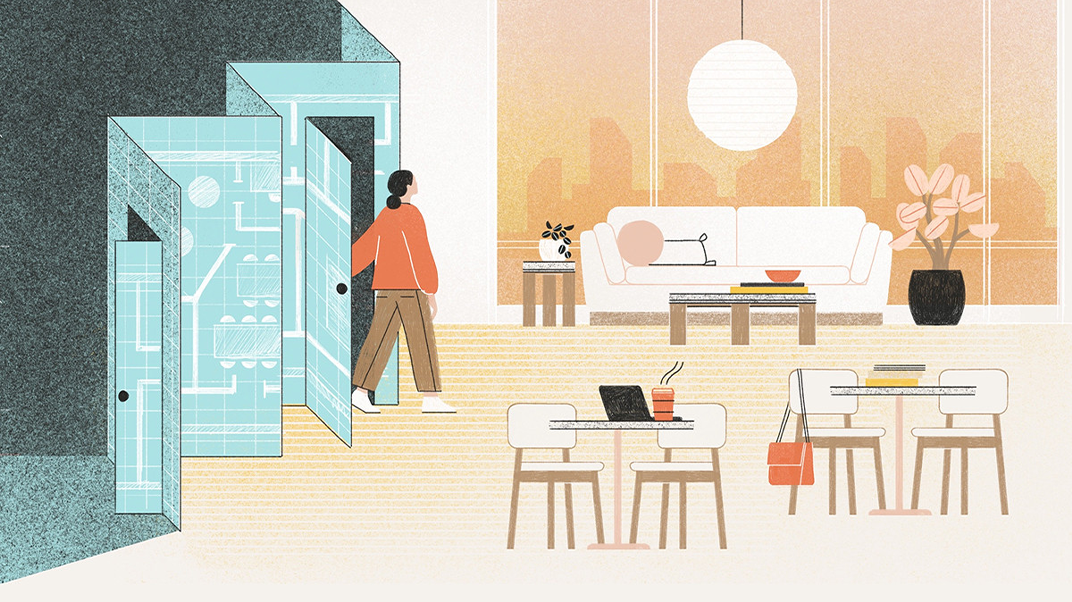
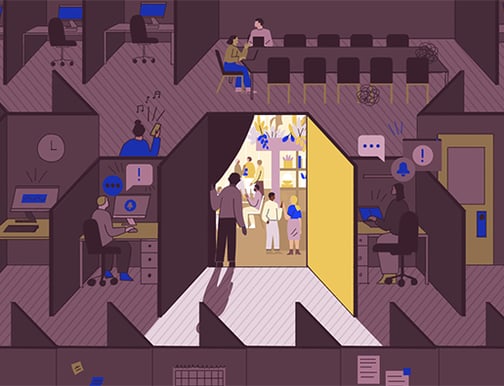
New Research: 4 Ways the Office Falls Short — and Simple Shifts That Make a Major Impact

A workplace can look great. But what really defines a good day is whether it helps people get work done. Most U.S. leaders (96%) say they’re making changes — or plan to — in the next few years to improve their spaces and better support their teams. But new Steelcase research in nine countries reveals those efforts aren’t landing where they matter most.


Employees identify four critical gaps holding the office back. Targeted improvements in these areas, even subtly at first, can make a meaningful difference right away.

Keep Reading
Chooser Research

RESEARCH

5 Ways Your Office Will Change by 2027

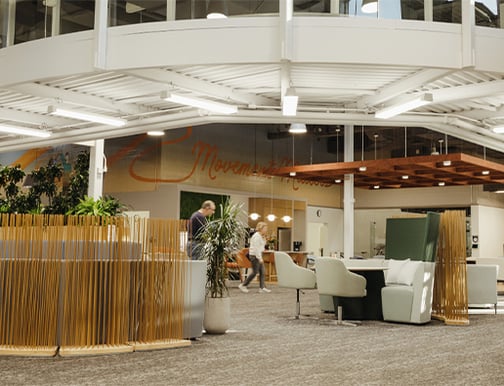
While new research reveals where employees say the office falls short, another round of recent Steelcase research with leaders explores major forces and trends organizations should consider as they redesign their spaces.

Read the Research
Kirk Gibson Parkinsons Center

INCLUSIVE DESIGN

Inclusive Design Redefines Parkinson’s Care

U.S. baseball legend Kirk Gibson built his career on doing the impossible, and now he’s bringing that same grit to helping people living with Parkinson’s Disease. The Steelcase inclusive design approach at the Kirk Gibson Center shows how listening to lived experience can transform a space into a community where people feel supported, confident and connected – and allows them to keep moving forward.

Explore the Space
tag

WORK BETTER PODCAST

In Praise of the Office

Capelli Nehmeh

SEASON 8 / EPISODE 8

Most organizations still haven’t figured out hybrid work—at least not in ways that really support performance, growth or culture. As Wharton professor Peter Cappelli and workplace strategist Ranya Nehmeh say, “the issue is not whether the office is good or bad.” The real problem? Hybrid hasn’t been designed intentionally enough to actually work. Drawing on new research and their book In Praise of the Office, they explore why culture is fraying, why learning and relationships are slipping, and what leaders can do to rebuild connection through clearer expectations, smarter spaces and more thoughtful management.

Listen Now

New & Notable

Places and products that work better

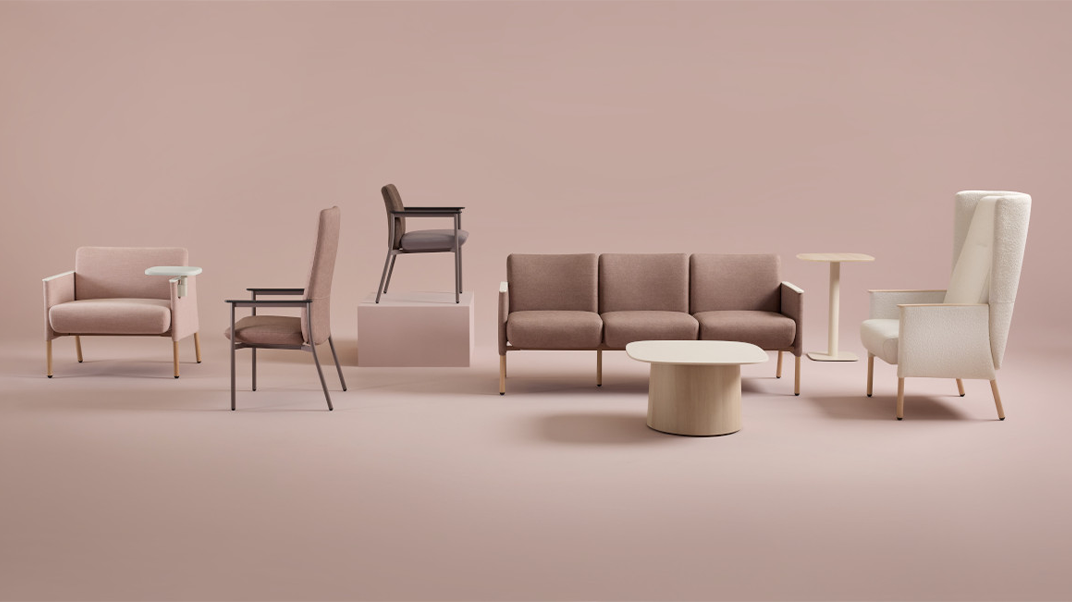
Apprise Collection Family Composition

Spring brings a fresh mindset and new solutions. This season, we’re sharing new products designed to support how people work, heal and connect.


Discover Apprise, the new collection from Steelcase Health, designed with the physical and emotional wellbeing of patients, families and caregivers in mind.

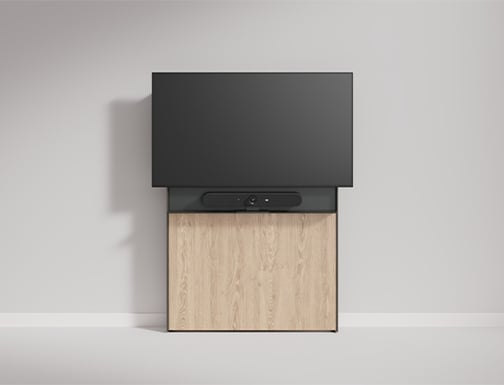
Ocular Frame - 71"

Ocular Frame’s wall-integrated technology makes collaboration feel simple and intuitive.

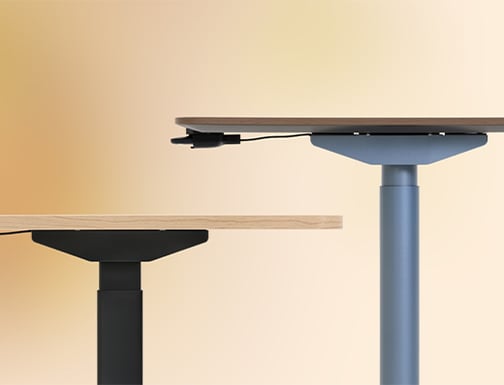
Basic Height Migration

The Migration Desking Collection now includes new height options, making it easier to choose the right fit for different spaces and budgets.

Explore What’s New & Notable This Spring

Let’s help make work better.

monogram
Connect with us
Instagram LinkedIn Facebook YouTube Pinterest X

Steelcase Inc., 901 44th St. SE, Grand Rapids, MI 49508, United States

Unsubscribe Manage preferences