Screens Make Work Easier, so Why Does It Feel Harder To Get Things Done?
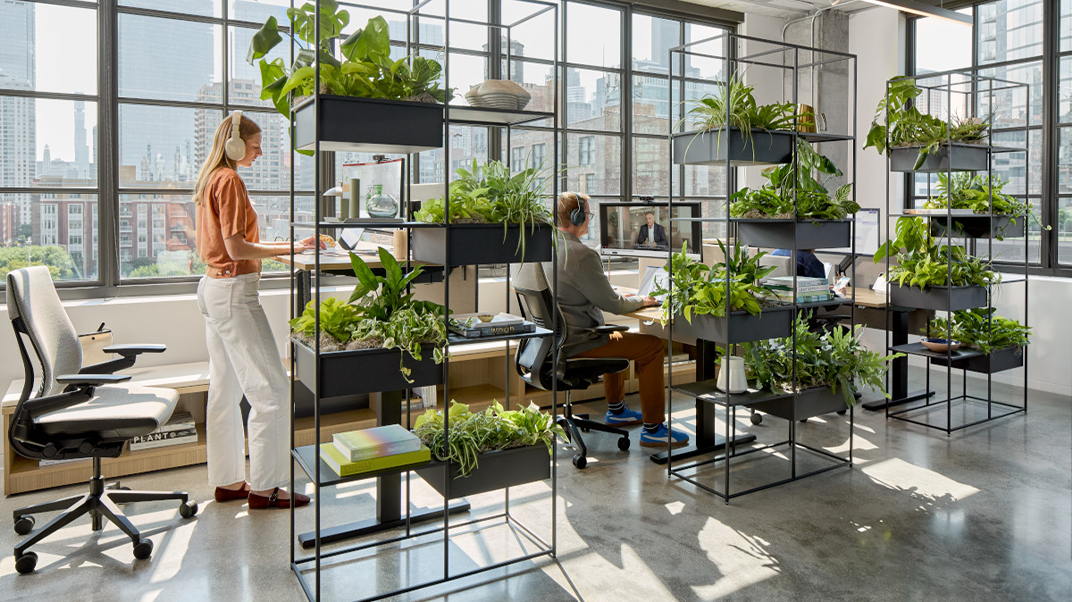
Many of us try to limit our kids’ screen time, because we know how it might impact their learning and development. But as adults we spend most of our time at work on screens – 61% in the US! But how is it impacting us? The same tools that make work faster and more flexible are quietly fragmenting our attention, limiting movement and weakening connections with others. The convenience of using screens for interactions has become the default. We take video calls at our desks and multitask through meetings, which makes it hard to be fully present. It can erode the human experiences that make work meaningful and sustainable.
Screens are simply a reality at work, but we also need to design our workplace to do what screens alone cannot: create spaces that help us focus deeply, build relationships and boost our creativity. Innovation work needs people to bring their best thinking to the work that matters most.
WELLBEING
Finding Balance in a Screen-First Workday
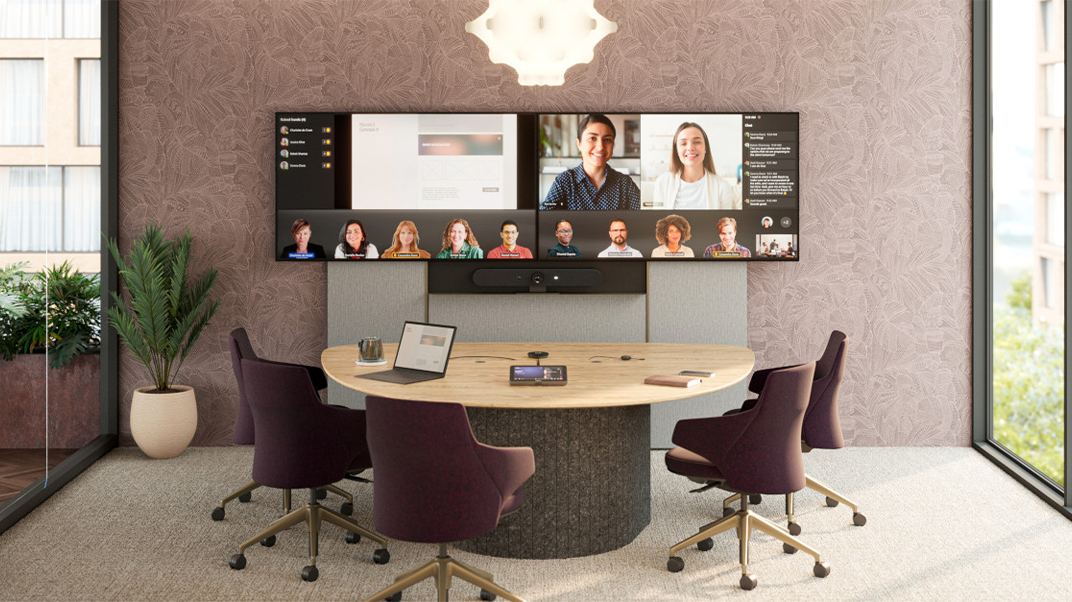
Work today is shaped by screens. Video calls, digital chats, shared documents and AI tools now mediate much of how people collaborate, even when they are physically together in the same office. According to a 2025 Steelcase global study, 85% of people say they have some meetings that involve at least one remote participant, signaling hybrid work is here to stay.
This shift has brought undeniable benefits. Technology expands access, enables flexibility and makes it easier for teams to work across time zones and locations. Work can happen faster, more inclusively, and in many cases, more efficiently. But, as screen-based work has increased, some new habits and routines have also crept in that need to be understood and addressed in the workplace.
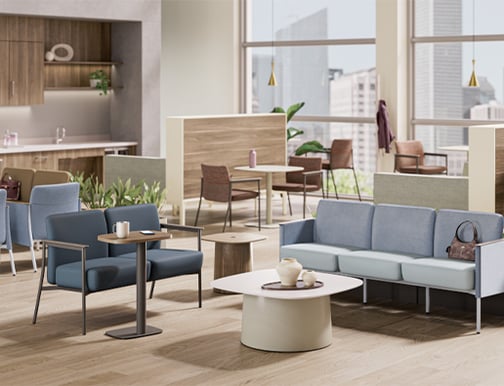
Healthcare environments aren’t defined only by care—they’re shaped by the time people spend waiting, often in spaces that aren’t designed for comfort or connection. Informed by deep research and brought to life through the Apprise Collection, Steelcase Health reimagines these moments with comfort, consistency and flexibility that support patients, families and clinicians at every step of the journey.
Modern work is pushing our brains to the brink, draining people’s creativity and focus. Steelcase research and top neuroscientists shows that visual clutter and noise in today’s offices quietly eats away at our ability to think clearly. Surprisingly, small design tweaks can be a big help. It’s time for a new mindset about the role of the workplace and how it can be a powerful cognitive tool that protects attention, supports brain health, and helps people do their best thinking in an AI‑driven world.
Are you ‘indistractable?’ Probably not. Distractions constantly barrage us. How we choose to focus can profoundly impact our mental health, physical wellbeing and our closest relationships. As author Nir Eyal says, “Choosing your attention is truly how we choose our lives.” On this episode, Eyal sheds light on the root causes of distraction and shares actionable tips to make being ‘indistractable’ your superpower.
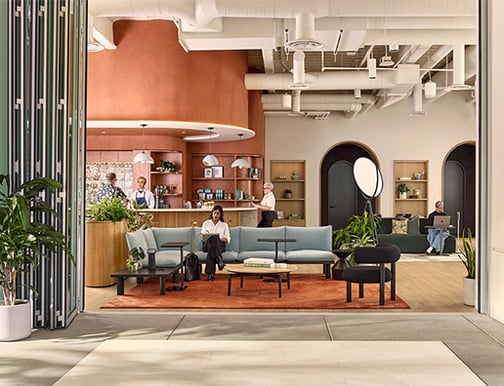
Do your projects often involve teams working across locations? As hybrid work becomes the norm, spaces need to do more and seamlessly support both in-person and remote collaboration.
Meet the newest member of the Ocular Collection. Ocular Frame brings technology to the wall through a clean, refined design that adapts to multiple configurations. Built for flexibility, it easily scales and evolves with your space, helping you create more cohesive environments where technology feels integrated and teams stay connected — wherever they work.