| Trusted research, data & insights for a better world for people, nature & climate |
| |
|
Photo by Vinicius A. Nascimento/Pexels |
|
|
El Niño starts in the ocean, and this year’s “super” version could hit hard. Warmer waters can weaken the upwelling that feeds some of the world’s most productive fisheries. It can also fuel marine heat waves that bleach coral reefs, stress kelp and damage seagrass ecosystems.
The ripple effects go beyond the ocean. Disrupted fish populations and damaged reefs threaten food security, tourism and income for coastal communities. The most affected are the developing coastal and island nations. We updated our expert take on the Super El Niño with comments from WRI’s Tom Pickerell on how this strengthened weather pattern could threaten the ocean that millions of people depend on. |
|
|
Photo by Anthony Quintano/Flickr |
|
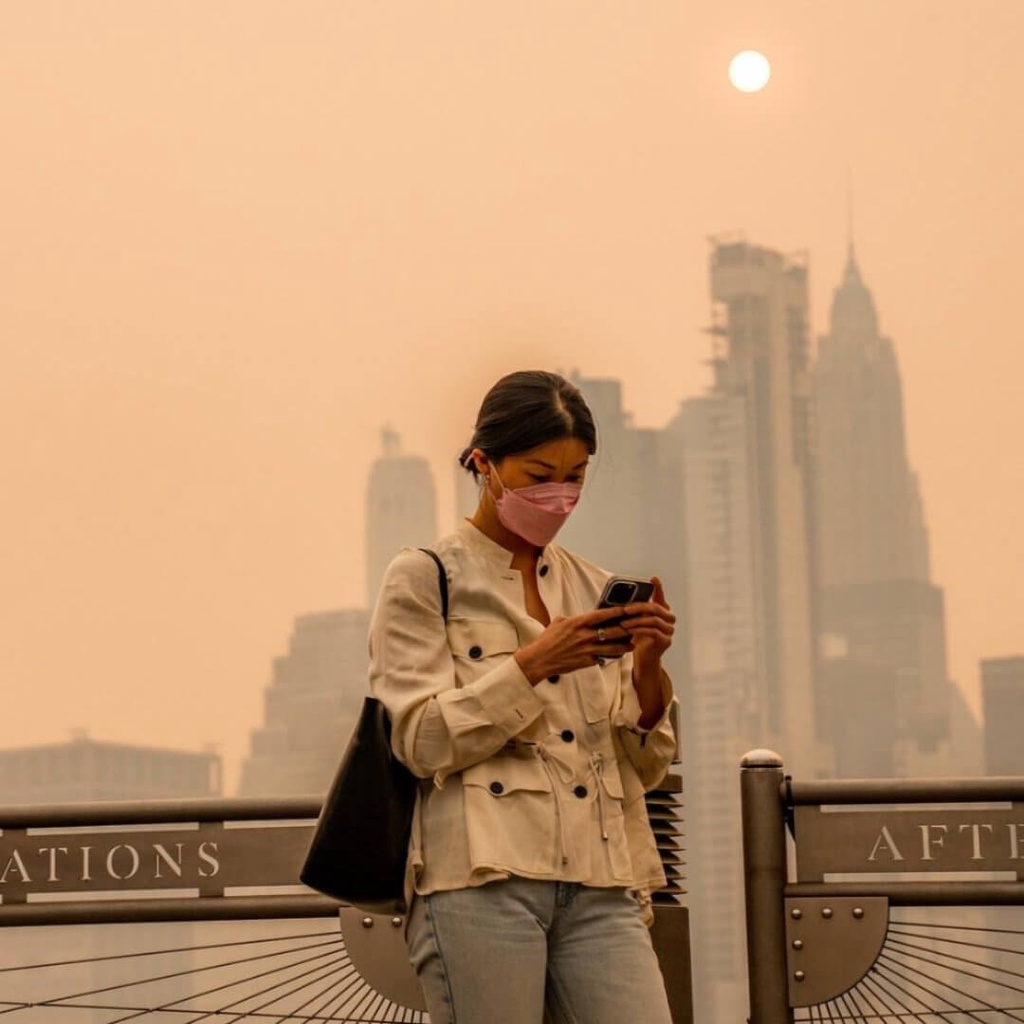
As wildfires sweep across France and Portugal amid soaring temperatures, scorched earth and poor air quality are the most visible impacts. Yet fires can affect people, the environment and cities even thousands of miles away, from harming economies to increasing flood risks. |
|
|
Photo by Rich Carey/Shutterstock |
|
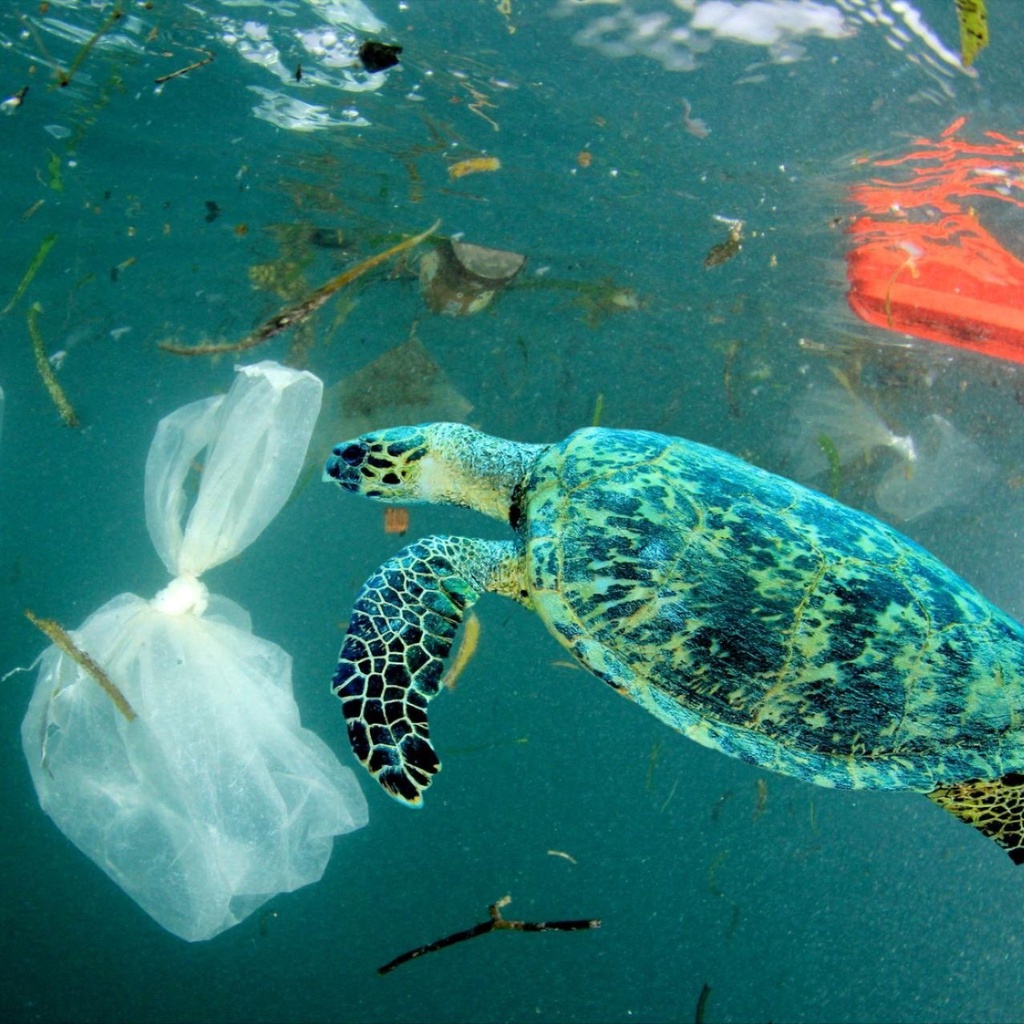
The world generates almost a million metric tons of plastic waste every day. Of this, just 9% is recycled and half ends up in landfills. The rest is incinerated, dumped in insecure sites or leaked into the environment. What will it take to prevent more plastic — and clean up the waste already here? |
|
|
Photo by Alexander Farnsworth/iStock |
|
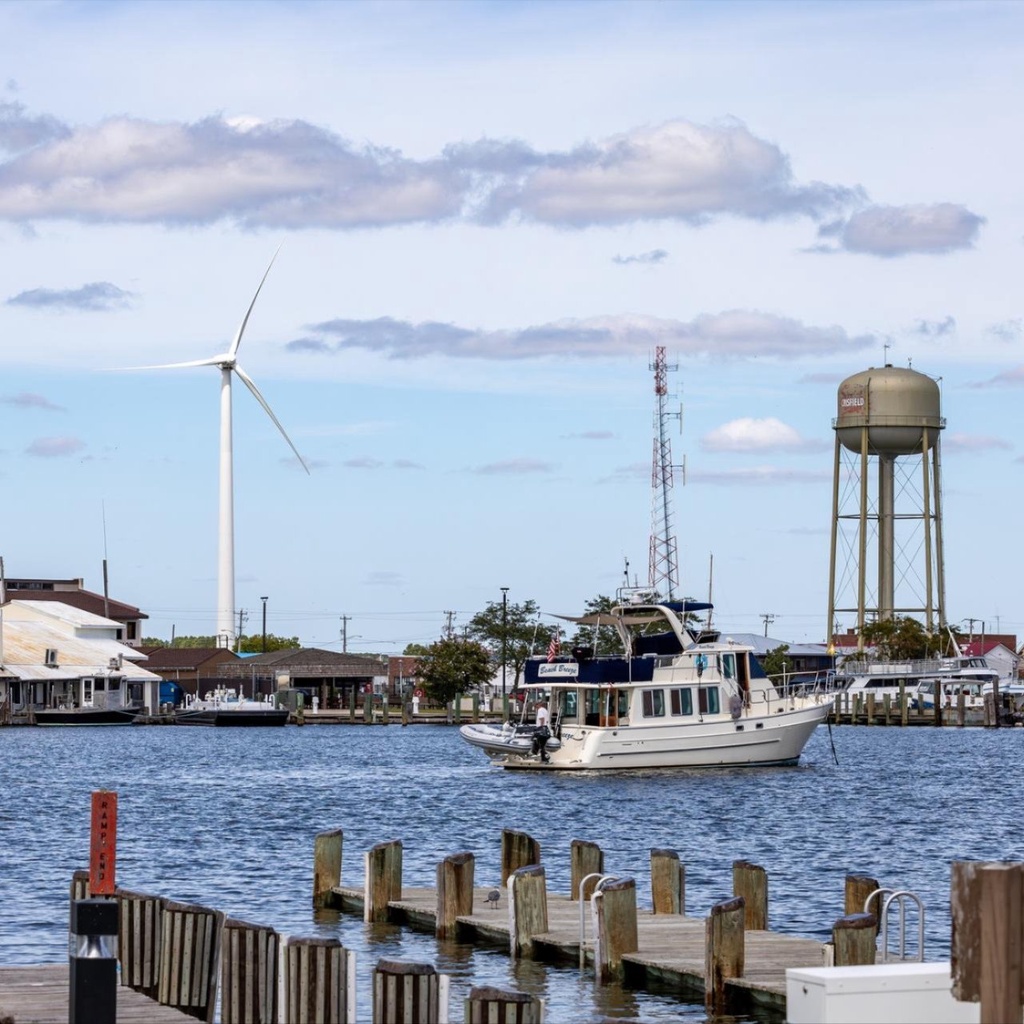
Small wind power that can supply electricity to schools, individual homes and health facilities is big business — the global small wind turbine market is set to grow to $2.2 billion by 2030. It’s also a lifeline for reliable electricity in rural and remote communities that other renewables can’t always reach. |
|
|
Healthy forests act as natural water infrastructure. They filter rainfall, stabilize soil and reduce flood and drought risk, safeguarding water supplies downstream. As wildfires become more frequent and severe, the loss of these forests is a growing threat to urban water security. |
|
|
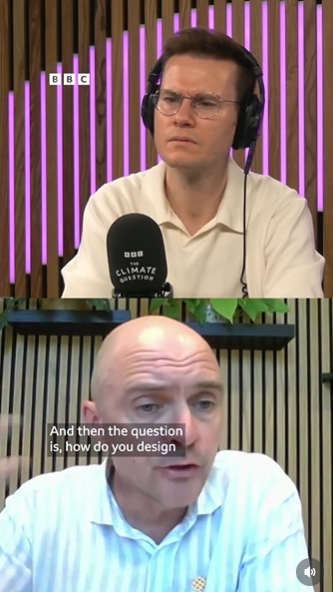
| If you could design a city from scratch for a changing climate and the modern world, what would it look like?
Rogier van den Berg, global director at WRI Ross Center for Sustainable Cities, spoke with the BBC about how to create a sustainable and climate-resilient city.
|
|
|
July 16, 2026
9:00 AM - 10:00 AM EDT
|
|
|
July 16, 2026
9:00 AM - 10:00 AM EDT, Online
|
|
|
July 20, 2026
11:00 AM - 12:00 PM EDT, Online
|
|
|
July 23, 2026
3:00 PM - 4:00 PM EDT, Online
|
|
|
How You Can Help
WRI relies on the generosity of donors like you to develop evidence-based solutions and turn research into action. You can support our work by making a gift today. |
|
|
World Resources Institute • 10 G Street NE Suite 800 • Washington, DC, 20002 • 202.729.7900 |
|
|
|