| Trusted research, data & insights for a better world for people, nature & climate |
| |
|
Photo by Michelle Sims/WRI |
|
|
Pristine forest landscapes are some of the most valuable ecosystems on Earth. They regulate rainfall, store vast amounts of carbon and shelter diverse species of wildlife. They’re also disappearing fast. New data from Global Nature Watch shows the world’s last intact forest landscapes decreased by an area roughly the size of Mexico between 2000 and 2025.
Human-caused fires are the leading driver, followed by logging, mining and drilling. We unpack the data, showing where forests are fragmenting and what it will take to protect what’s left. |
|
|
Photo by Somkanae Sawatdinak/Shutterstock |
|
Tensions around the Strait of Hormuz — a route for 20% of the world’s oil and gas — have hampered the shipping industry, exposing how fragile global energy and food systems really are. Shifting to clean energy can help countries absorb shocks like war, as well as extreme weather. |
|
|
|
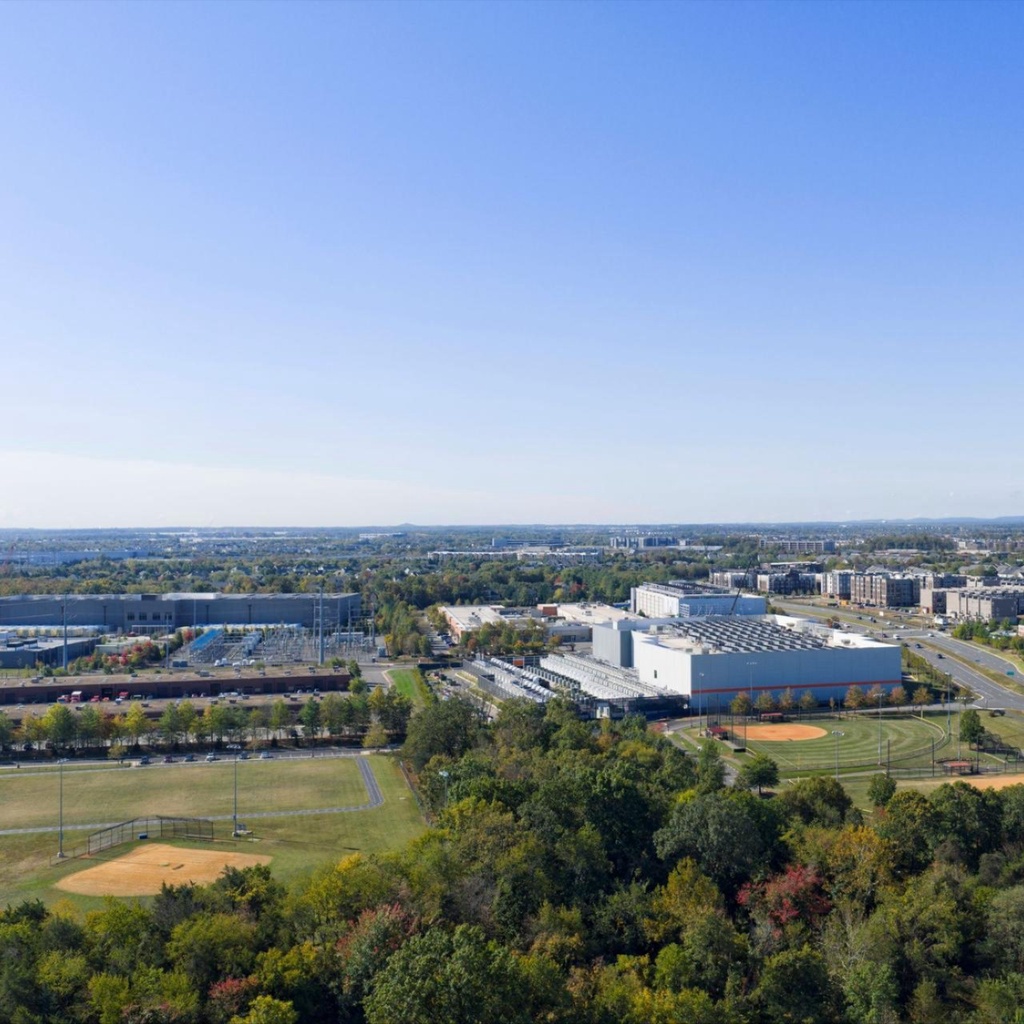
Two major tech companies’ emissions rose sharply last year amid rapid AI data center growth, according to new sustainability reports. But emissions are just one impact. From strained water supplies to new jobs to air pollution, data centers are already affecting communities in many ways. |
|
|
Photo by Rachel Thoms/WRI |
|
In Mozambique’s Inhambane Bay, women wade through seagrass meadows to catch shrimp. But nearly half the bay’s seagrass has been lost in recent decades to worsening cyclones and fishing pressures — threatening incomes, food security and social ties. |
|
|
A group of over 30 environmental organizations — including WRI — sent an open letter to the U.S. Senate opposing the “year-round E15” legislation, which passed the House in May. The bill would let gasoline blended with 15% ethanol be sold year-round, up from the standard 10%. The letter warns this could expand ethanol use by 50%, driving up food and fuel costs for American families while driving higher emissions, water pollution and the conversion of millions of acres of wildlife habitat into farmland.
|
|
|
Between 2000-2013 and 2020-2025, fires went from the second-biggest driver of intact forest loss (21.2%) to the leading one (39.9%). |
|
|
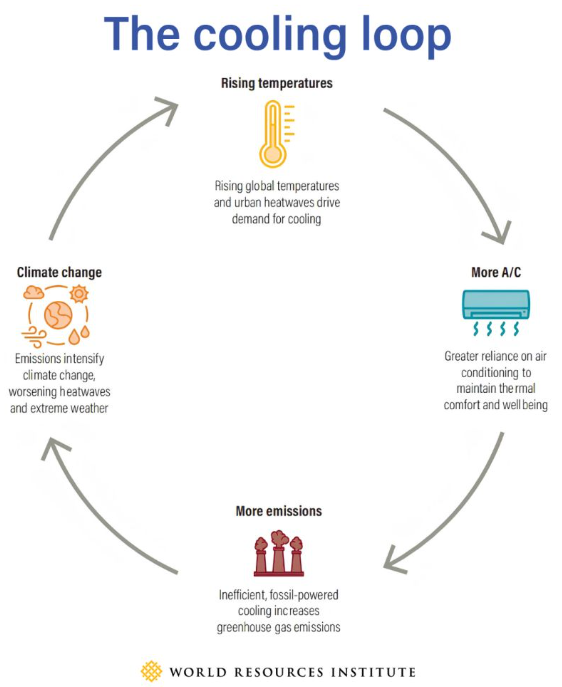
| Deadly heat waves have become the new norm in recent years for Europe, the world’s fastest-warming continent.
With air conditioning in only 20% of Europe’s buildings, city leaders face a pressing dilemma: how to keep people cool without worsening the climate crisis driving rising temperatures in the first place. |
|
|
July 20, 2026
11:00 AM - 12:00 PM EDT, Online
|
|
|
July 23, 2026
3:00 PM - 4:00 PM EDT, Online
|
|
|
July 28, 2026
3:00 PM - 4:30 PM EAT, Online
|
|
|
July 28, 2026
8:00 AM - 9:00 AM EDT, Online
|
|
|
How You Can Help
WRI relies on the generosity of donors like you to develop evidence-based solutions and turn research into action. You can support our work by making a gift today. |
|
|
World Resources Institute • 10 G Street NE Suite 800 • Washington, DC, 20002 • 202.729.7900 |
|
|
|