| Trusted research, data & insights for a better world for people, nature & climate |
| |
|
Photo by Aerial_Views/iStock |
|
|
When temperatures soar, we feel it in cities, homes and at work. But most of that heat actually goes into the ocean, which absorbs 91% of the excess heat trapped by human-caused greenhouse gas emissions. And the ocean isn't just getting warmer. It's warming more than twice as fast as it did before 2005.
It's already impacting lives. In The Gambia, rising sea levels bring saltwater onto farmland, making once-fertile fields too salty to grow crops. In the U.S., acidifying waters nearly collapsed a $111 million oyster industry in Oregon and Washington. How much worse things get is largely up to us. |
|
|
|
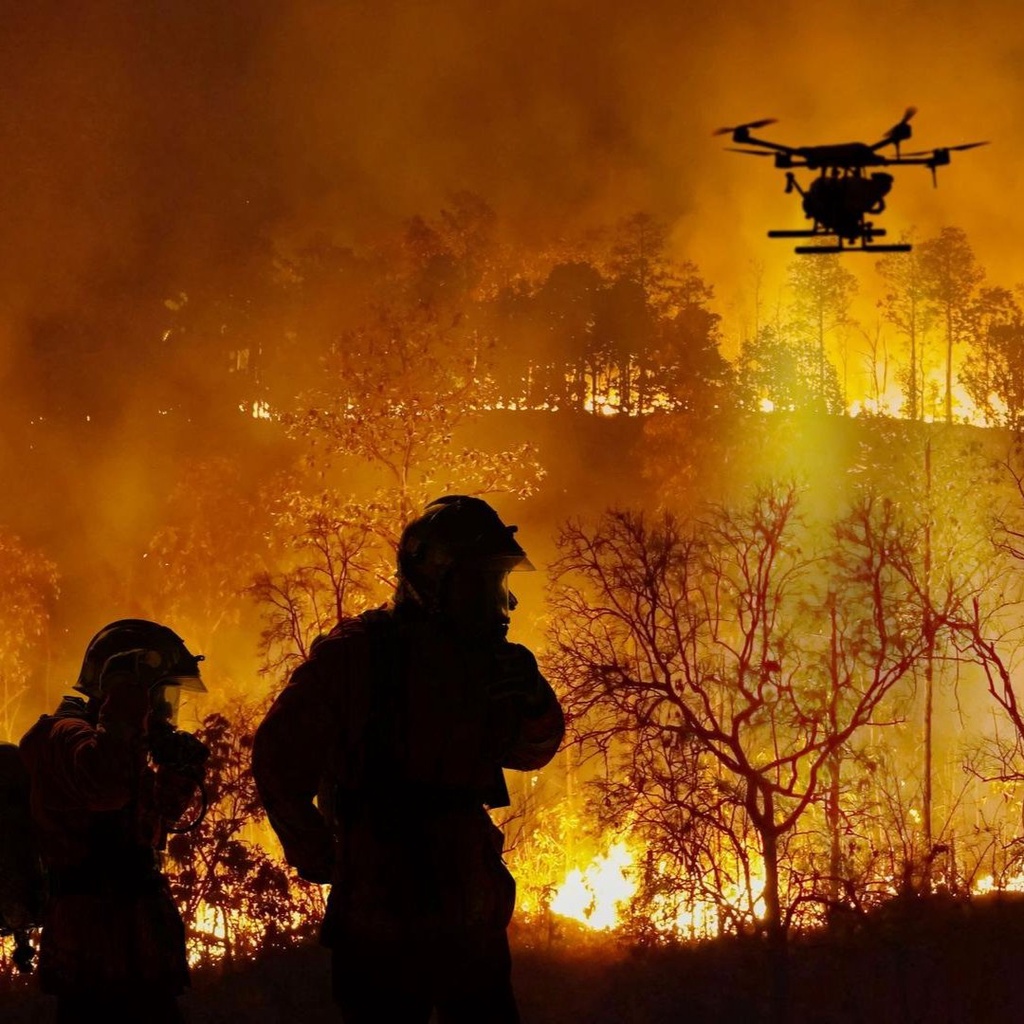
People have controlled and used fire for at least 400,000 years. Now, a warming climate is tipping the balance. Fires burn more than twice as much tree cover globally as they did two decades ago. Can humanity regain control? |
|
|
Photo by JeffGoulden/iStock |
|
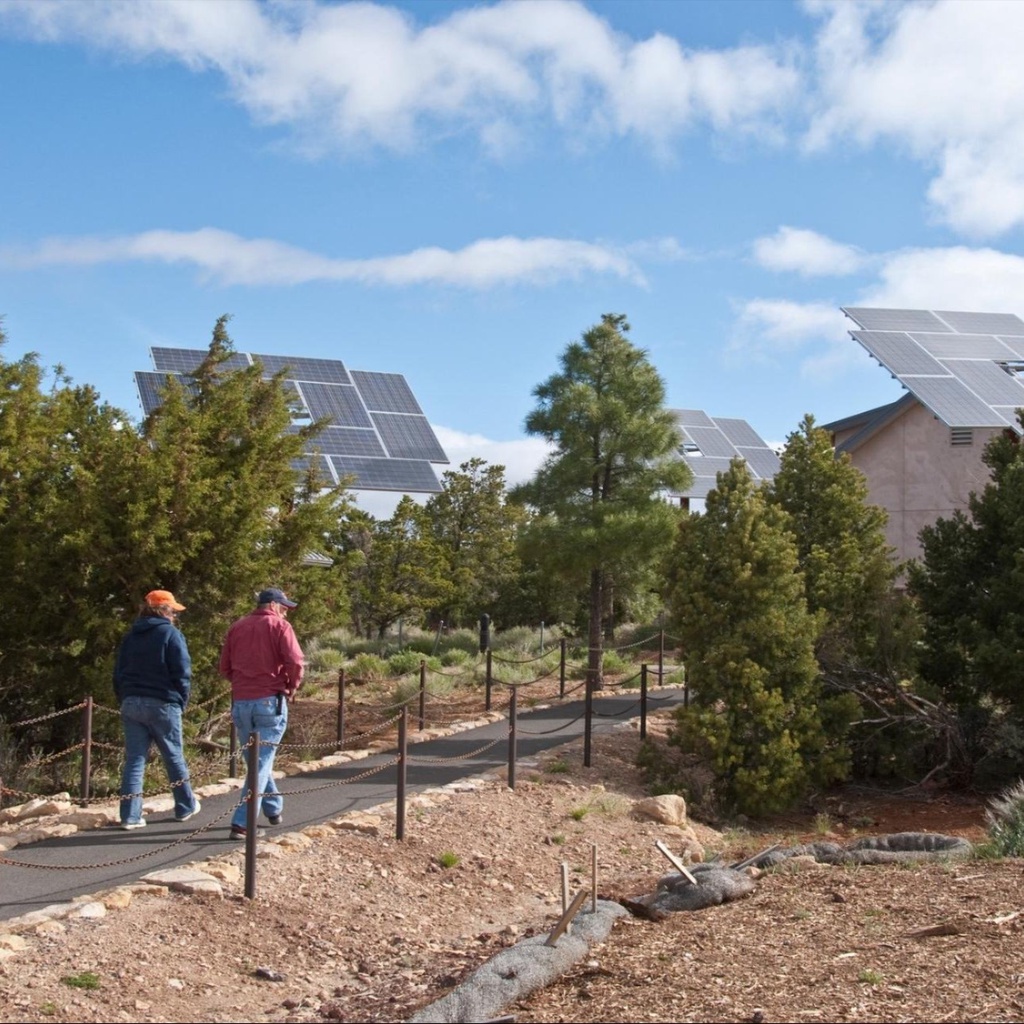
Since 2025, over 21 gigawatts of clean energy projects — enough to power 2 million homes — have been cancelled in the U.S. It's customers who will foot the bill. Research shows that blocking new solar and wind power could add $11.6 billion a year to household energy costs from 2027 through 2033. |
|
|
Photo by Darkdiamond67/iStock |
|
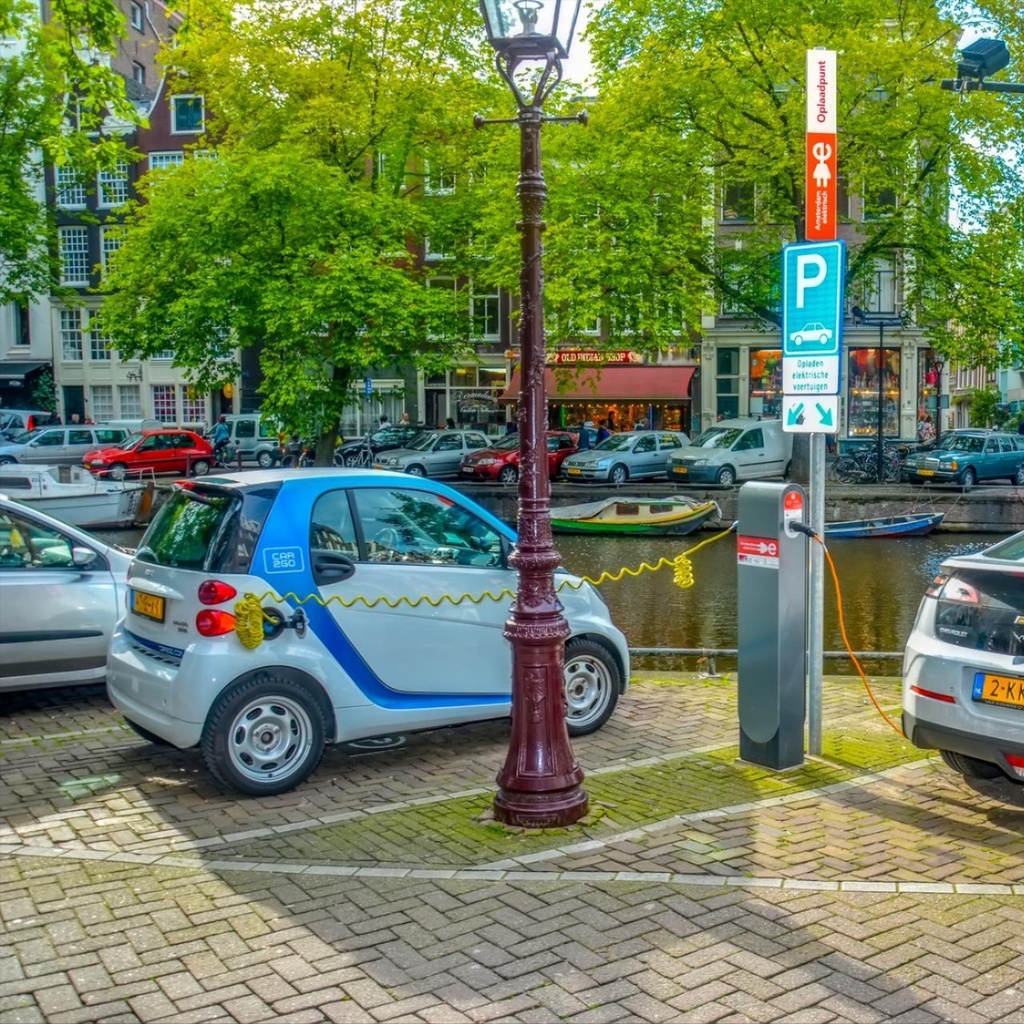
Two-thirds of EV models sold are SUVs, pick-up trucks and other large vehicles. But when it comes to environmental, social and equity benefits, it's the smaller EVs that come out on top. |
|
|
On July 17, the European Commission unveiled its Electrification Action Plan, setting a target for electricity to hit 46% of final energy use by 2040 — double today's share. It came alongside a reform of the EU's carbon market that directs more money into industrial decarbonization, but also, controversially, extends the timeline for polluting emission permits. |
|
|
"Europe must electrify smarter, not just faster... Done right, electrification can create jobs, attract investment, lower bills for families and businesses and reduce Europe's reliance on volatile imported fossil fuels." |
— Clem Perry
Global Clean Energy Supply Lead at WRI's Polsky Center for the Global Energy Transition |
|
|
Fires and climate change fuel each other in a continuous feedback loop. Hotter conditions dry out forests, drier forests burn more easily, large fires release more carbon and those emissions fuel climate change — restarting the cycle. |
|
|
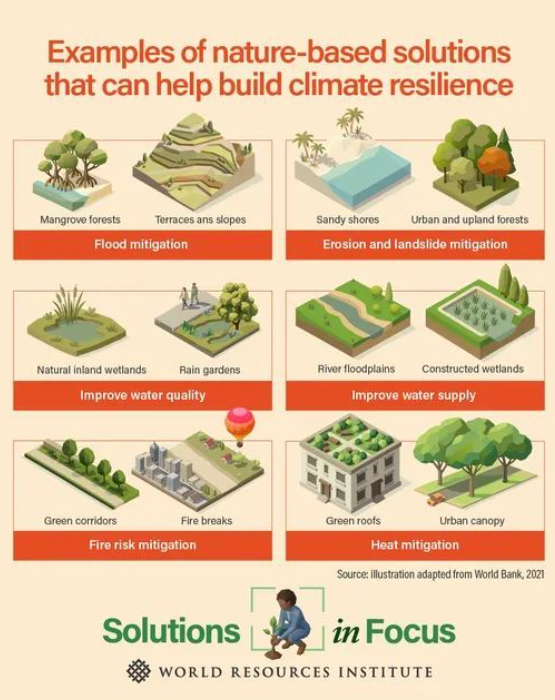
| Nature-based solutions have much to offer cities. They can help reduce extreme heat, improve water security and create new green jobs, among many other benefits.
For example, adding green roofs to buildings and expanding urban tree canopy can help lower temperatures, provide shade and offer relief to people on hot days. |
|
|
July 23, 2026
3:00 PM - 4:00 PM EDT, Online
|
|
|
July 28, 2026
3:00 PM - 4:30 PM EAT, Online
|
|
|
July 28, 2026
8:00 AM - 9:00 AM EDT, Online
|
|
|
How You Can Help
WRI relies on the generosity of donors like you to develop evidence-based solutions and turn research into action. You can support our work by making a gift today. |
|
|
World Resources Institute • 10 G Street NE Suite 800 • Washington, DC, 20002 • 202.729.7900 |
|
|
|