| Trusted research, data & insights for a better world for people, nature & climate |
| |
|
Photo by seyed vahid hosseini/iStock |
|
|
The Middle East is the most water-stressed region on Earth. About 83% of its population already faces severe water shortages. That number is expected to hit 100% by 2050.
Conflicts like the current war in Iran can make such water challenges far worse. Strikes on desalination plants, dams and pipelines risk pushing already fragile water systems past the breaking point. The consequences can ripple outward, affecting food production, households and more. WRI water expert Liz Saccoccia unpacks how conflict and water crises can reinforce each other — and what it means for the people caught in the middle. |
|
|
Photo by Jenna Echakowirz/SUNCASA |
|
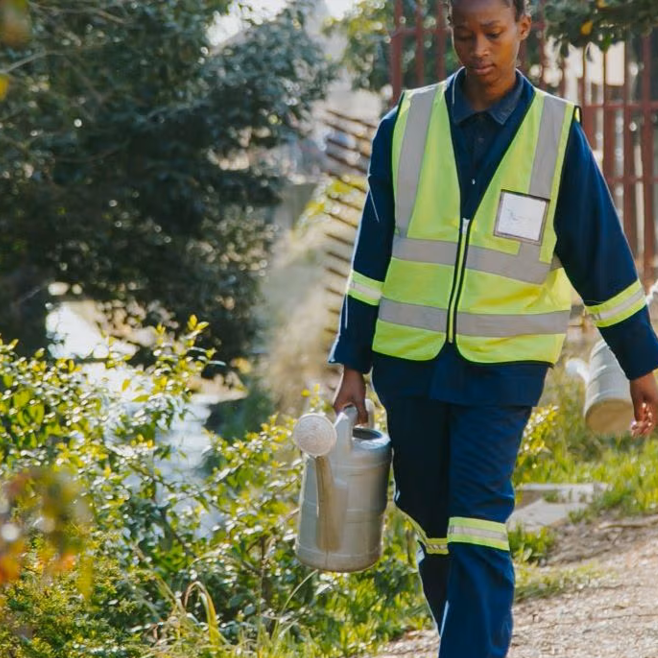
Floods in Kenya and Ethiopia have claimed nearly 200 lives this month and displaced thousands more. As flood risks worsen across sub-Saharan Africa, some communities across the region are turning to nature to protect lives and livelihoods.
|
|
|
Photo by Paralaxia/Shutterstock |
|
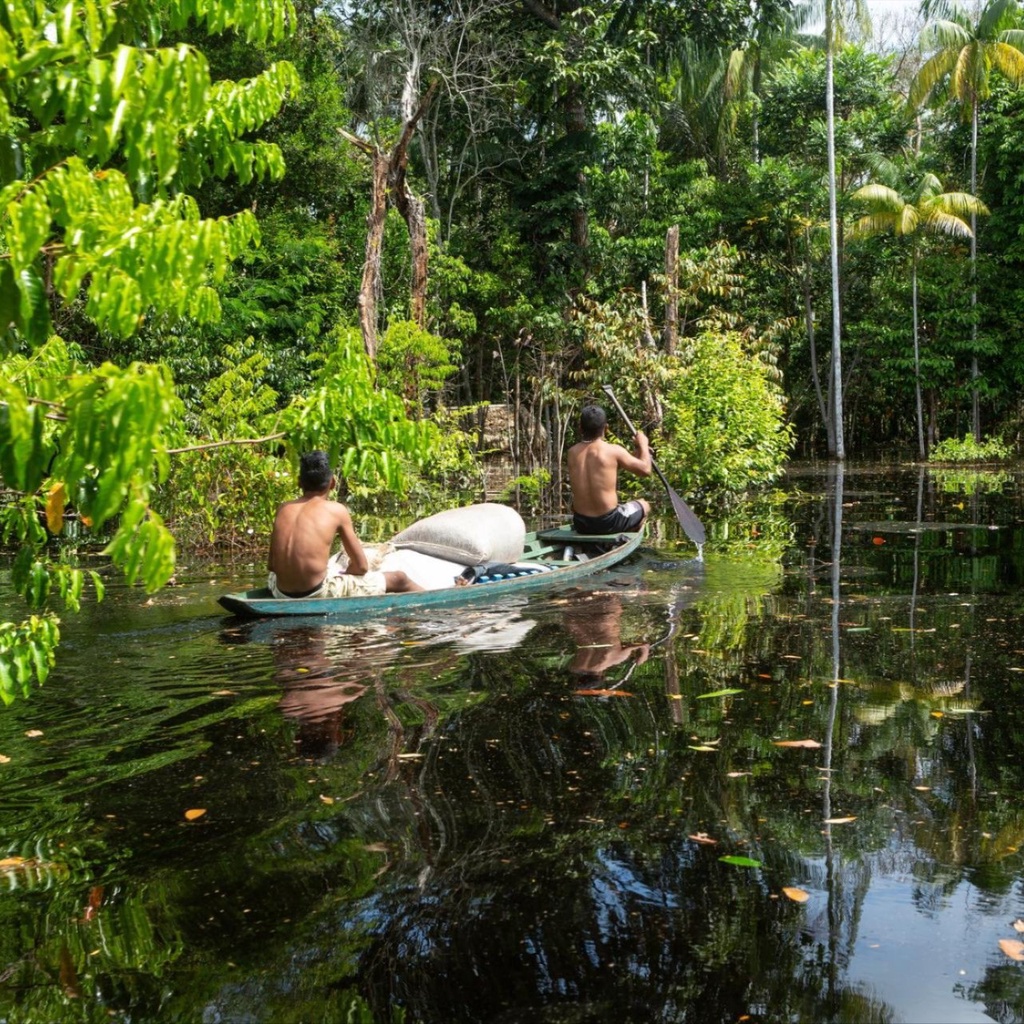
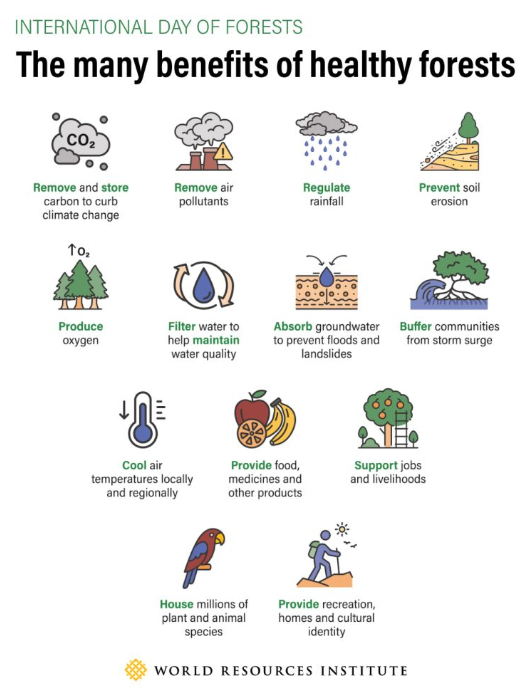
Forests are a valuable natural asset, capturing carbon, regulating rainfall and protecting communities from floods and storms. But when they’re deforested and degraded, they can flip into liabilities, fueling the very wildfires, droughts and climate risks they once averted. |
|
|
Photo by WRI Ross Center Prize for Cities |
|
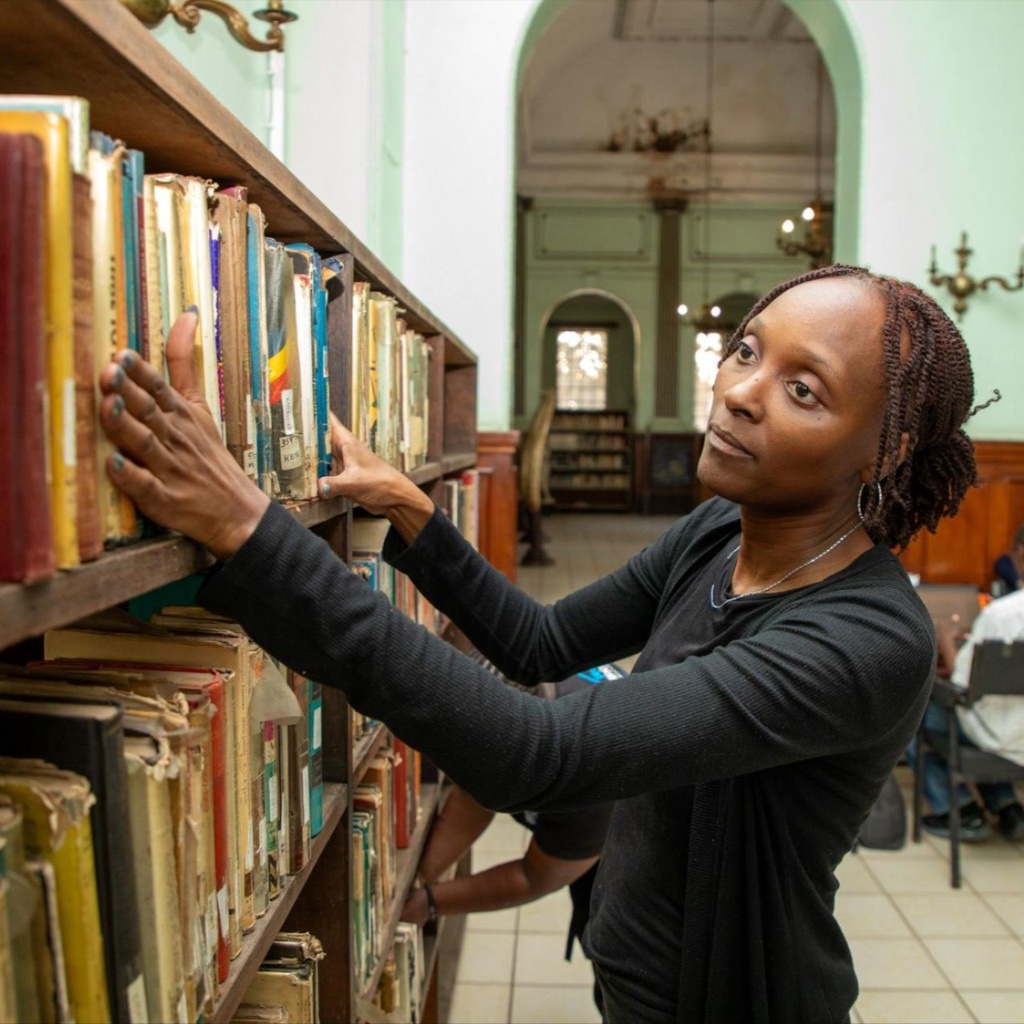
For decades, Nairobi’s public libraries fell into neglect. Now, a local nonprofit is restoring them as lively hubs, where children take dance lessons, residents learn about climate resilience and elders record oral histories from Kenya — reclaiming them as free public spaces that bring communities together. |
|
|
|
This week, the United Kingdom announced substantial cuts to overseas development assistance for the next three years. This follows a 2025 decision to reduce the country's overall aid budget, including international climate finance.
“The UK government’s new cuts to its international climate and development finance will have an undeniable impact on the lives of the world’s poorest people (...) There is still, however, major scope to use the remaining £6 billion of international climate finance in ways that bring significant benefits to people, climate and nature. The stakes are high and getting higher: As climate impacts intensify, levels of debt, inequality and vulnerability keep growing.” |
|
|
The map shows baseline water stress levels across the Middle East and North Africa, where much of the region is marked in dark red — meaning at least 80% of the available water supply is used up every year. |
|
|
|
Forests are so much more than just trees. They store carbon; filter water; cool air temperatures; and provide food, medicine and homes for millions of people and species.
But a degraded forest can also drive wildfires, worsen droughts and destabilize entire communities.
We’re already starting to see this shift from assets to liabilities play out in countries around the globe. The question is: Will it trigger action?
|
|
|
March 26, 2026
2:00 PM - 3:00 PM EDT
|
|
|
March 27, 2026
11:00am - 12:00pm EDT, Online
|
|
|
How You Can Help WRI relies on the generosity of donors like you to develop evidence-based solutions and turn research into action. You can support our work by making a gift today. |
|
|
World Resources Institute • 10 G Street NE Suite 800 • Washington, DC, 20002 • 202.729.7900 |
|
|
|