| Trusted research, data & insights for a better world for people, nature & climate |
| |
|
The data on climate and nature, which we often feature in this newsletter, paint a grim picture.
But behind the numbers, progress is happening. Around the world, communities and projects are already redesigning their cities, farms and energy systems — and delivering measurable results for people, nature and climate.
That’s why today, on Earth Day, I’m pleased to introduce Solutions in Focus: a growing collection of stories highlighting what’s going right in the world. From Bogotá redesigning its streets to cut air pollution to smallholder farmers bringing the Amazon back to life, these stories explore what’s working, and why.
I hope you’ll explore some of the inspirational stories below or on our website. And if you like what you read, consider supporting our work turning research into action.
Thanks for reading!
Sarah Parsons, WRI Editorial Director |
|
|
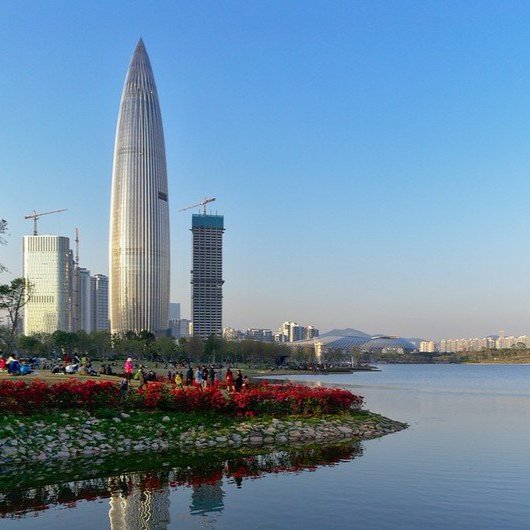
Photo by Andrii Zymohliad/Flickr |
|
Shenzhen is growing — and so are its energy demands. That’s why the city is pursuing more than 100 near-zero carbon projects, everything from solar panels and energy efficiency to better parks and community events. In the process, it’s creating a blueprint for a modern green city. |
|
|
|
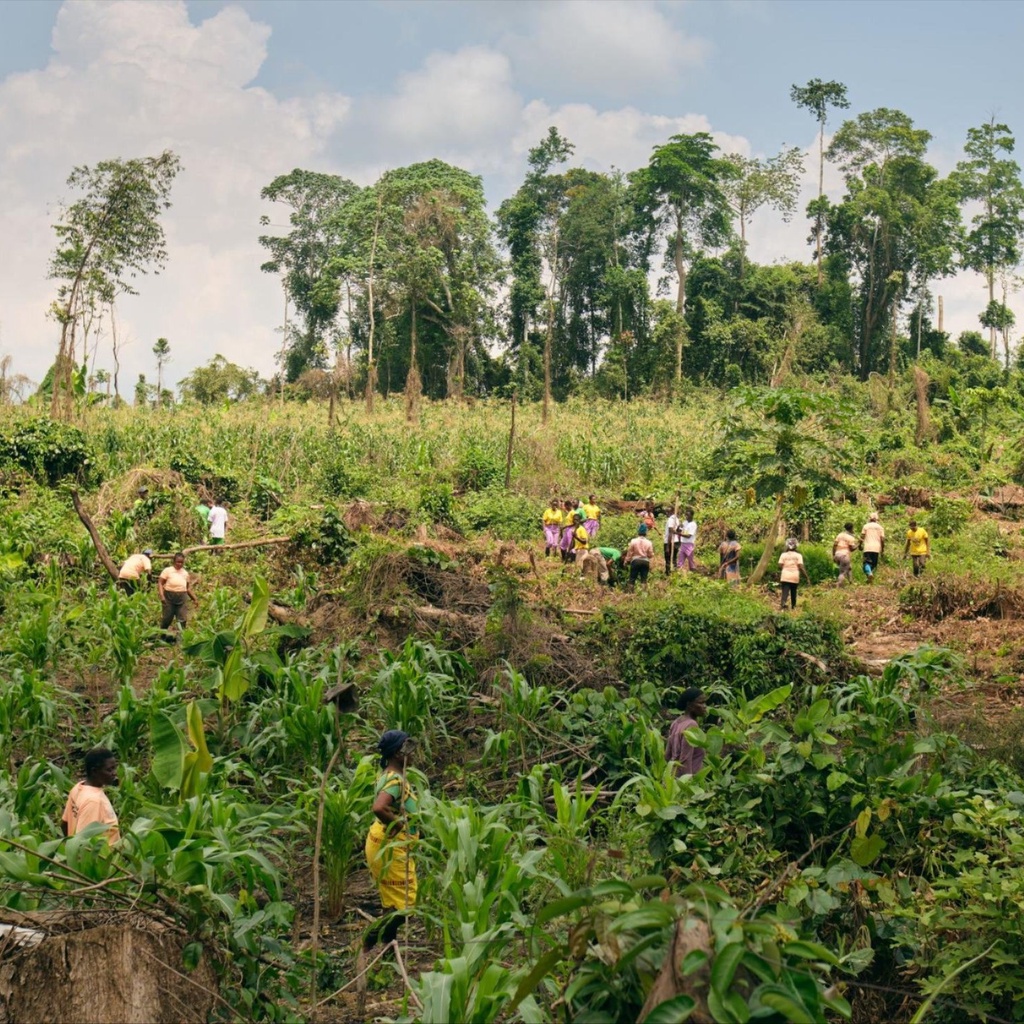
Ghana has lost more than 13% of its forest cover to cocoa farming. But some farmers are flipping the script. By planting trees alongside their crops — a practice known as “agroforestry” — they’re restoring degraded land, replenishing the soil with nutrients and boosting their cocoa yields. |
|
|
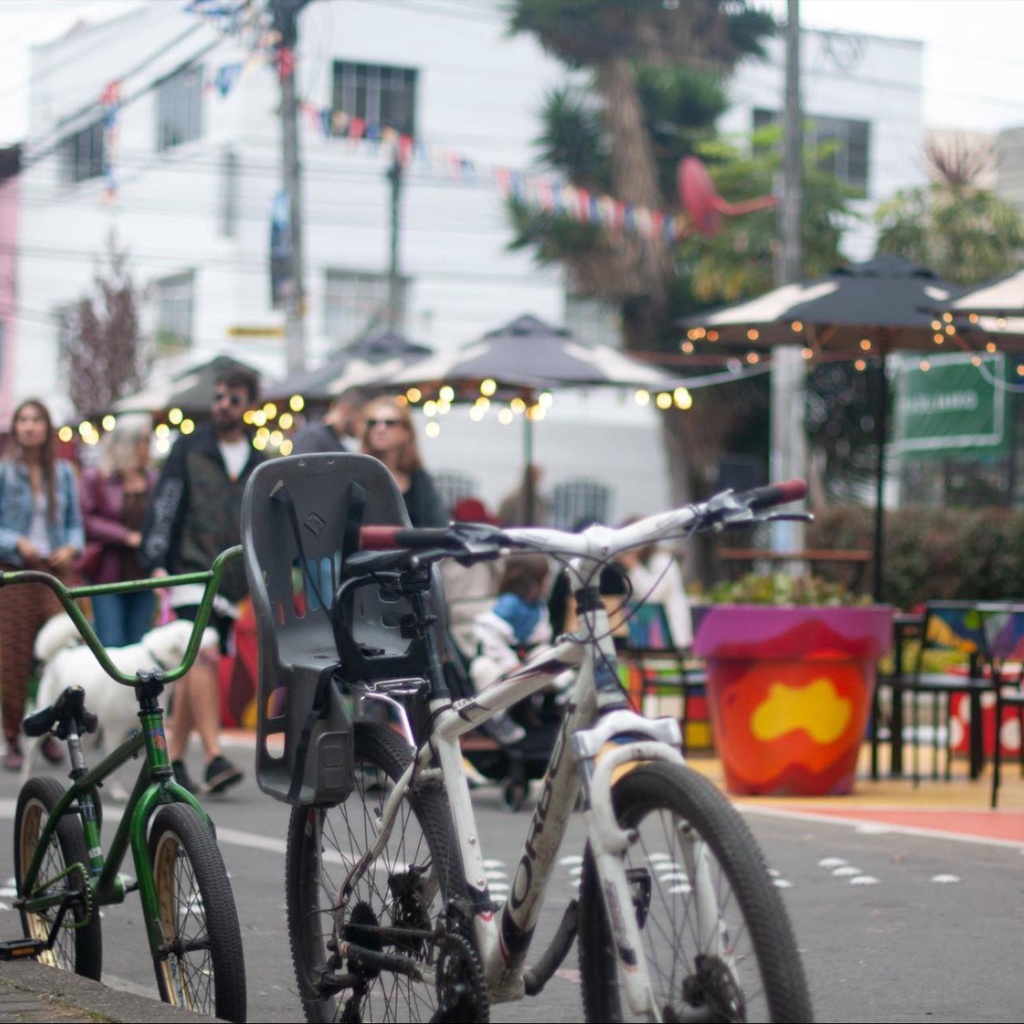
Photo by Carlos Felipe Pardo/Flickr |
|
Bogotá’s air pollution was once more than three times the safe limit. Bike lanes, more trees and NASA-powered air quality forecasts are turning things around. |
|
|
Photo by Natasha Collins/WRI |
|
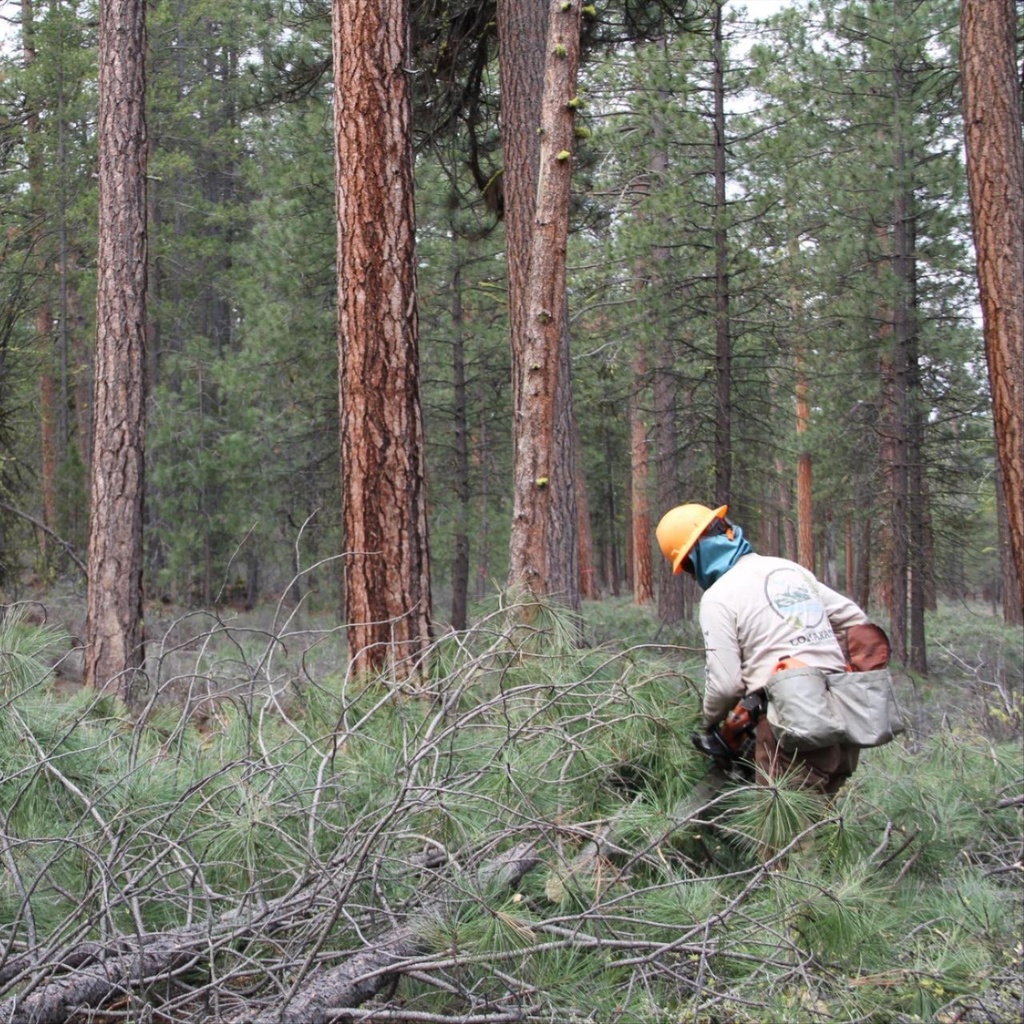
For over a century, Indigenous burning practices were suppressed across the American West, leaving forests overgrown and fire-prone. Tribal communities are now reviving those traditional practices, restoring forest health, protecting watersheds and creating jobs at the same time. |
|
|
Photo by Jenna Echakowitz |
|
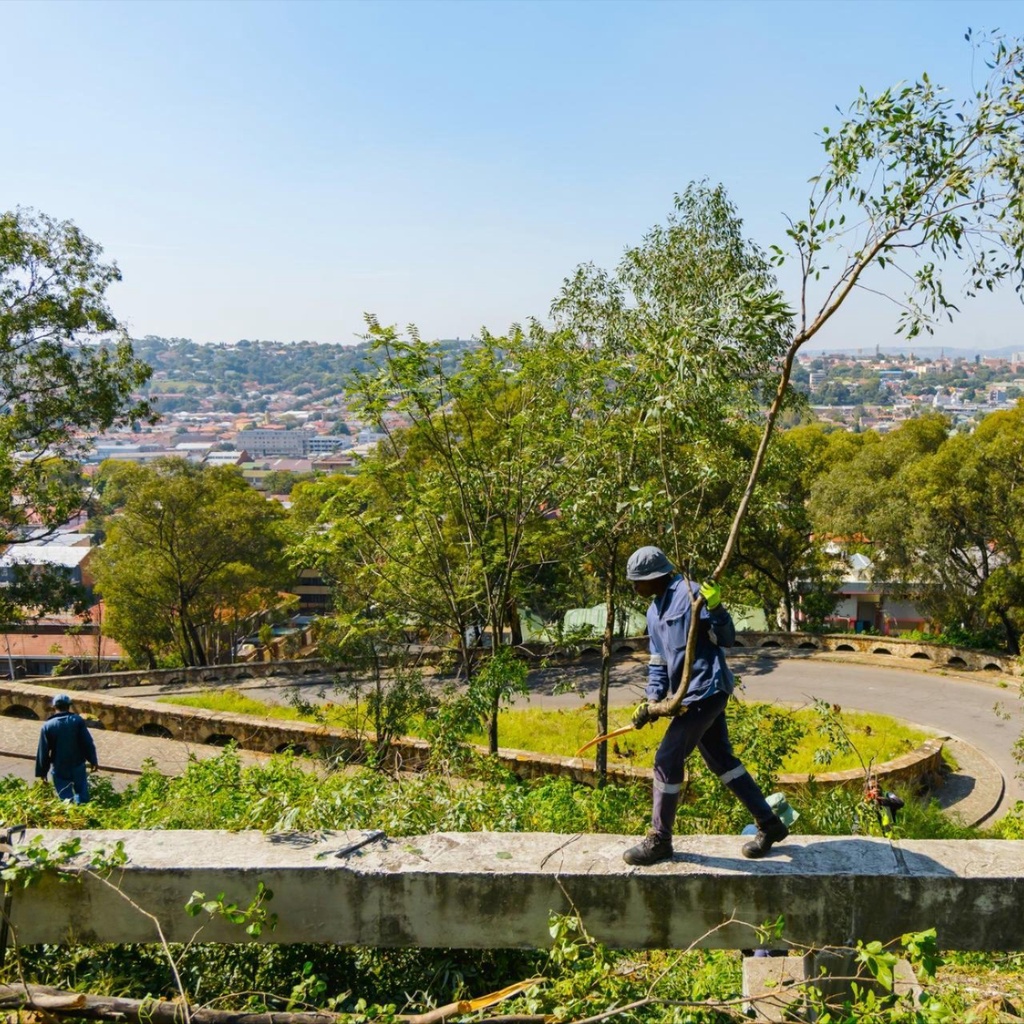
Growing African cities are sprawling into forested watersheds, harming the very ecosystems they depend on for clean drinking water and flood control. In Kigali, Rwanda; Dire Dawa, Ethiopia; and Johannesburg, South Africa, nature-based solutions like tree planting and riverbank restoration are proving development and nature don’t have to be at odds. |
|
|
|
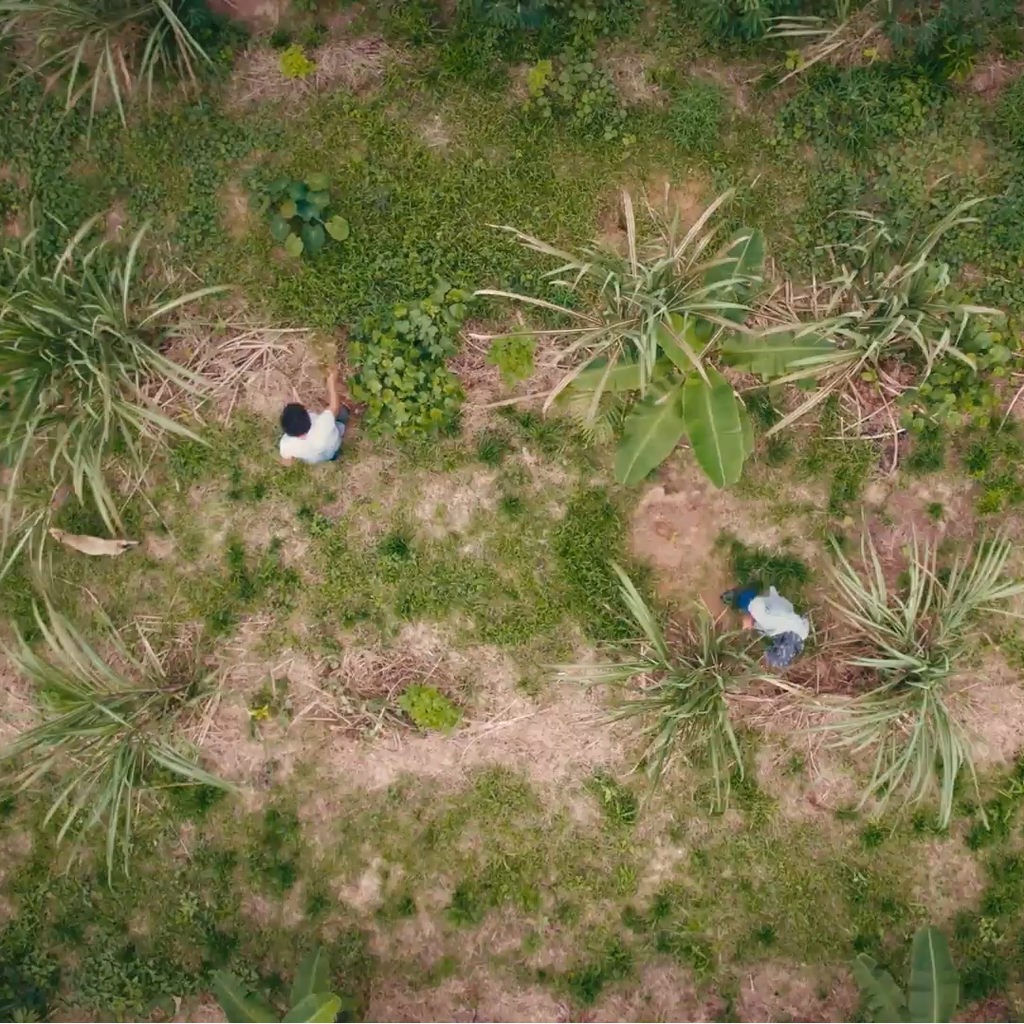
Palm oil plantations left Brazil’s soils bare and depleted. Smallholder farmers in the Brazilian Amazon are turning things around by growing food and restoring the forest at the same time — challenging the assumption that farming and nature can’t coexist. |
|
|
|
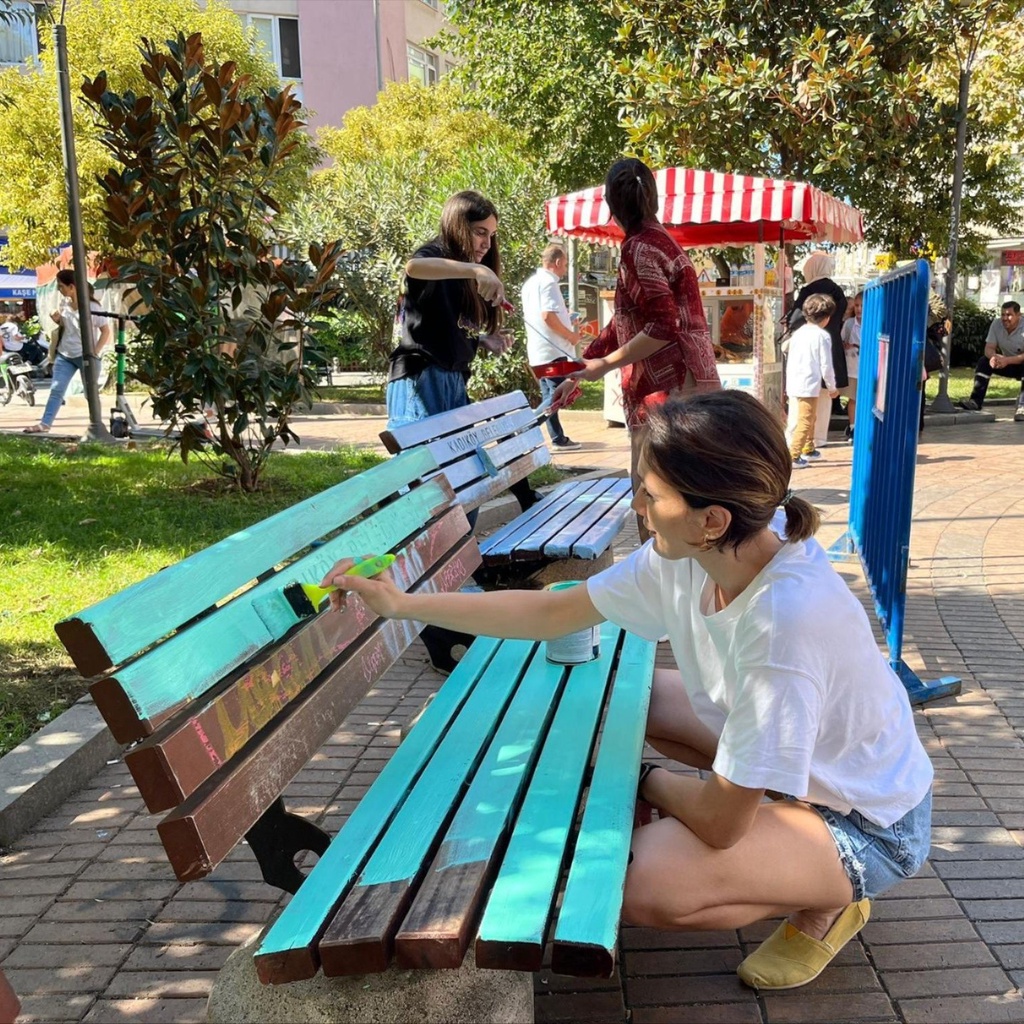
Over 2.3 million visitors pass through Istanbul’s Caferağa daily, overwhelming the neighborhood of just 22,000 residents with traffic, noise and pollution. Now residents and city planners are reimagining its streets. From extra trees to more pedestrian-friendly roads, the changes are making Caferağa both livable and a popular tourist spot. |
|
|
Photo by TW Farlow/iStockphotos |
|
Diesel exhaust from school buses is a known carcinogen, yet millions of U.S. children ride them every day. Nearly 5,000 electric buses are now on the road. Drivers say the switch has brought quieter rides, cleaner air and unexpected bonuses. |
|
|
Natural infrastructure such as healthy forests helps regulate water flows by absorbing, filtering and slowly releasing rainfall. These processes improve water quality while reducing the risks of floods and droughts. |
|
|
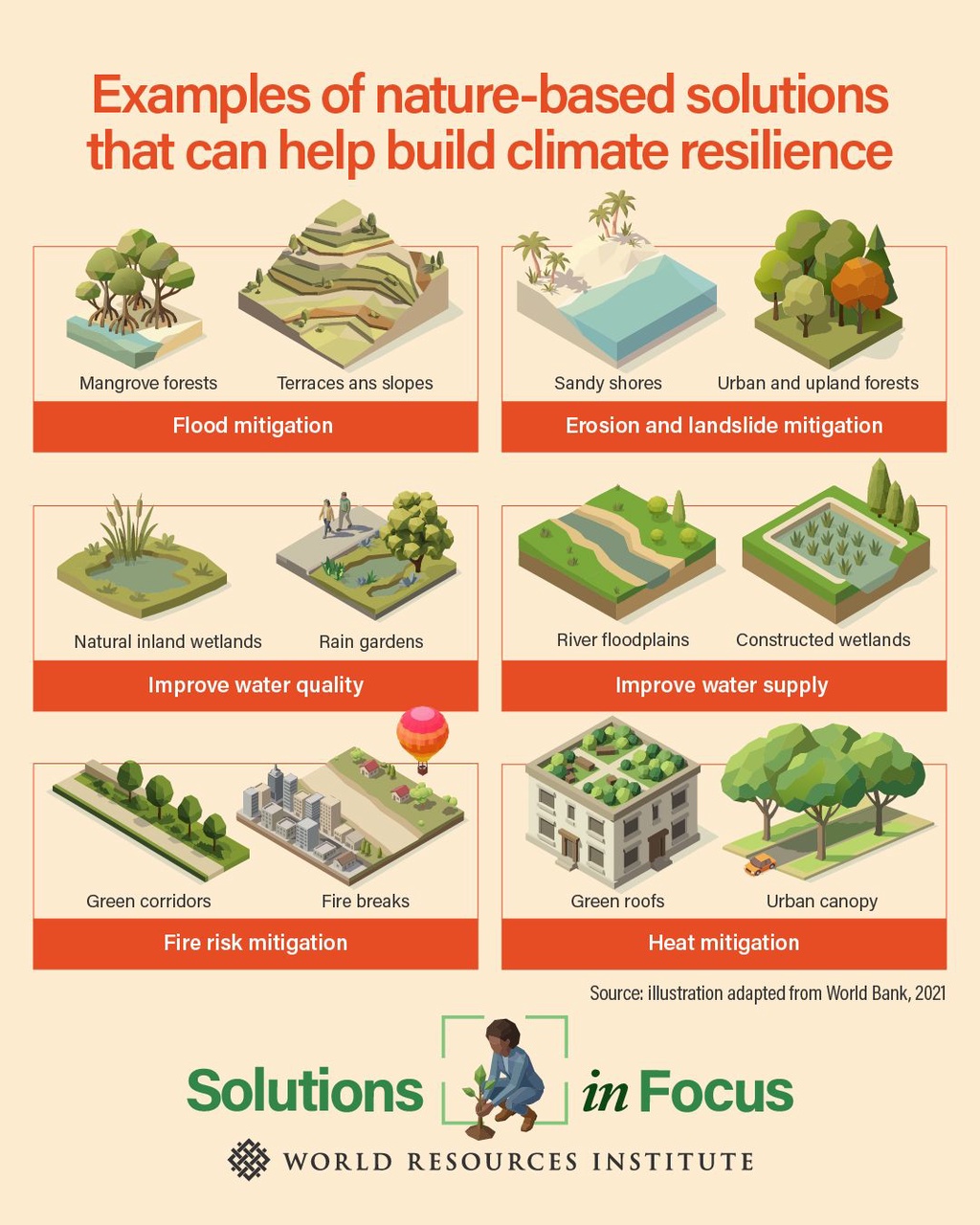
| Nature-based solutions have a lot to offer cities, like:
☀️Reduced extreme heat
💧Improved water security
🌱New green jobs
This Earth Day, we’re putting solutions in focus around the world to show that positive impact is in progress.
|
|
|
April 28, 2026
10:00 AM - 11:00 AM EDT, Online
|
|
|
April 30, 2026
9:00 AM - 10:30 AM EDT, Online
|
|
|
May 07, 2026
3:00 PM - 4:00 PM EDT, Online
|
|
|
How You Can Help WRI relies on the generosity of donors like you to develop evidence-based solutions and turn research into action. You can support our work by making a gift today. |
|
|
World Resources Institute • 10 G Street NE Suite 800 • Washington, DC, 20002 • 202.729.7900 |
|
|
|