First and foremost: thousands of lives have been lost, millions displaced, and homes and livelihoods destroyed since the Iran conflict began. This human toll is felt most acutely by people across the Middle East.
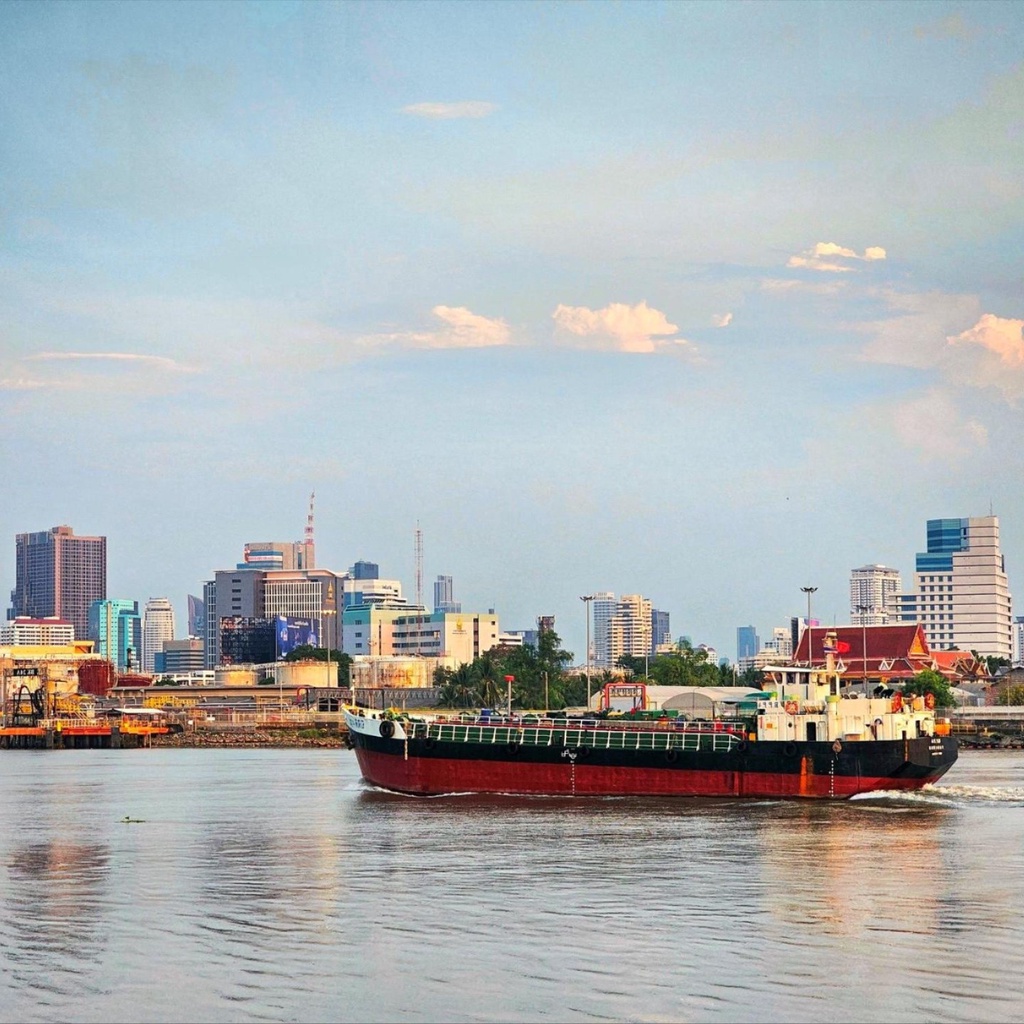
Its shockwaves, however, reach far beyond the region. At the center is a chokepoint: the Strait of Hormuz. About 20% of the world’s oil and natural gas, and one-third of its fertilizers, pass through it. Its blockade has simultaneously pushed energy and food systems into crisis.
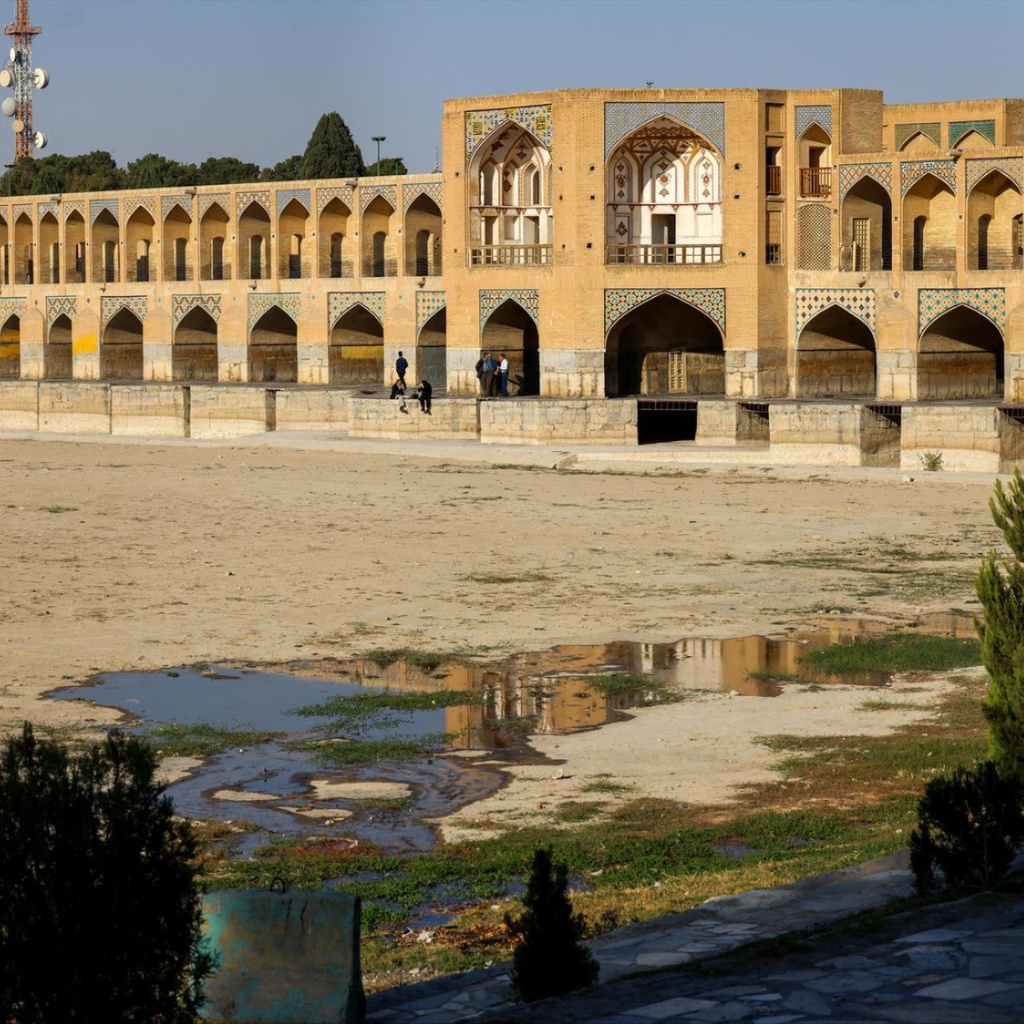
Major food-producing countries in Southeast Asia and Africa are grappling with shortages of fertilizers and fuel. Oil prices have soared above $100 a barrel. Around 45 million people could face food insecurity by June if the conflict persists. And threats to desalination plants have exposed how precarious water security is in the Middle East, the world’s most water-stressed region.
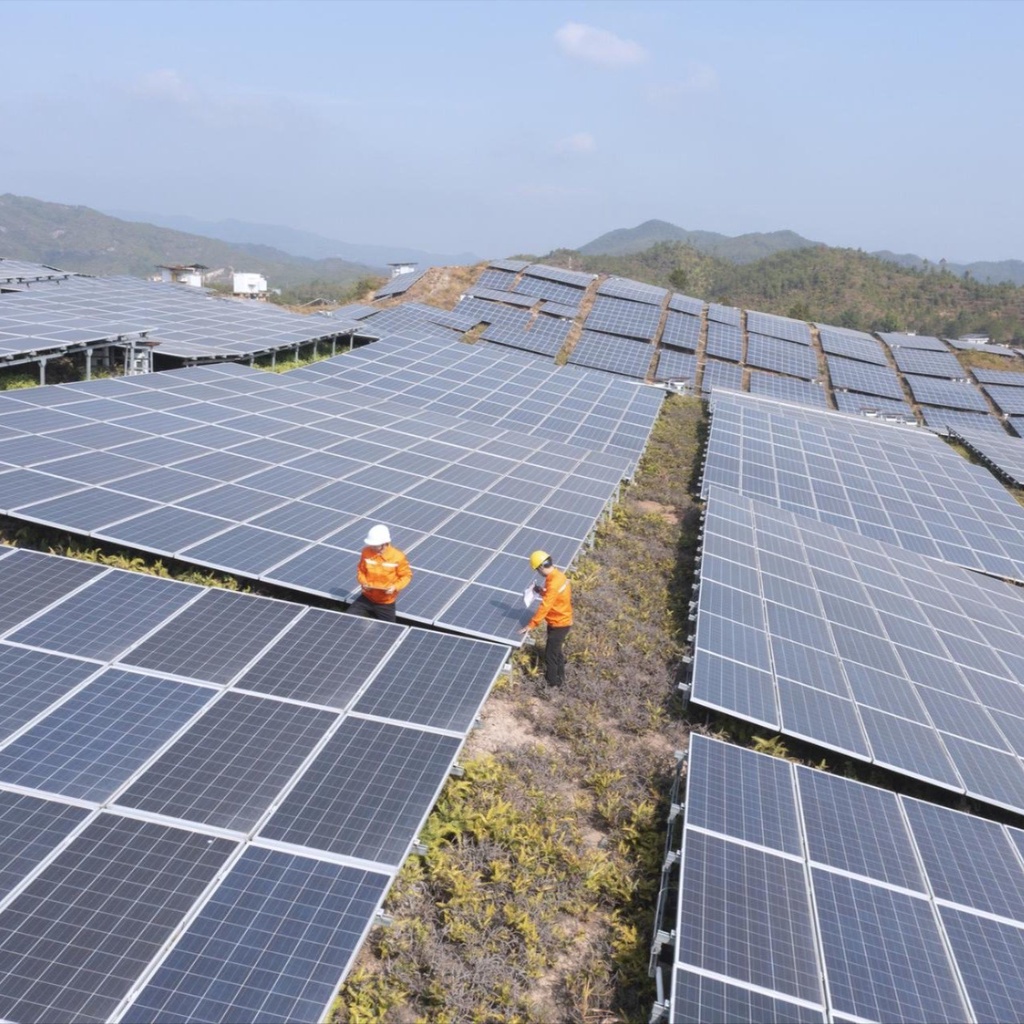
The far-reaching effects reveal the systems we all rely on — energy, food and water — are deeply vulnerable to shocks, whether that’s from war or pandemics, climate change or extreme weather. The way forward is investing in resilience, from domestic clean energy to sustainable farming.
Learn more from WRI experts who unpack what the Iran War reveals about our critical energy, food and water systems — and what it will take to bolster them.