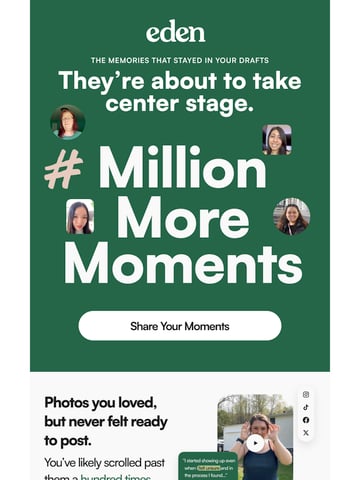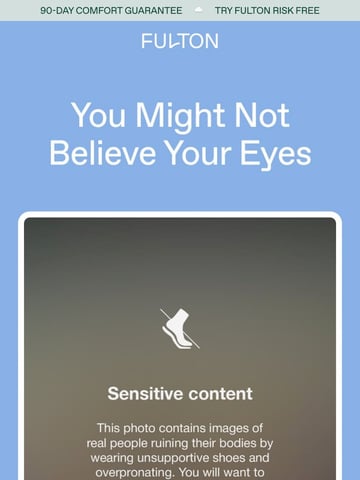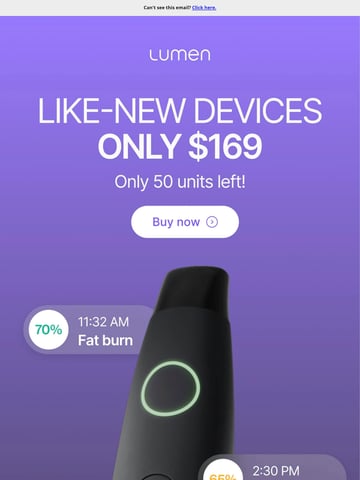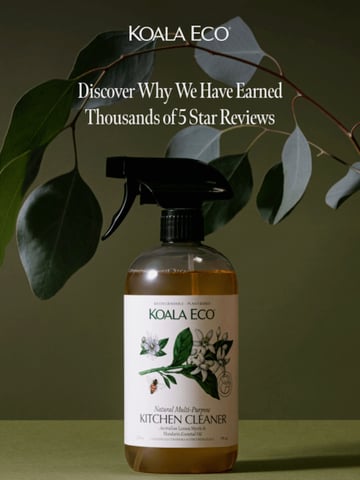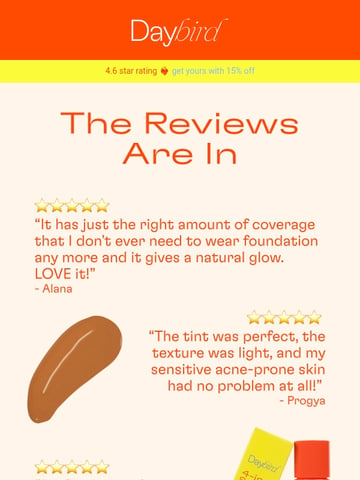
Social proof emails borrow credibility from other people: reviews, ratings, testimonials, customer counts, press mentions, or user-generated photos. The best ones land mid-funnel, when a shopper is interested but hesitant, and they pair a real quote or star rating with the exact product the reader is weighing. Keep claims specific and attributed, then point to one clear next step.

Social proof emails let customers do the selling: reviews, ratings, user photos, press mentions, and bestseller lists woven into the send. They work because a stranger's five stars beat a brand's superlatives every time. This hub collects curated sends that lead with proof rather than claims.
The strongest examples in the grid treat proof as design material: pull-quote typography for reviews, star ratings beside product shots, photo grids of real customers, and counters that quantify the crowd. Notice how the best sends pick ONE hero proof point and let it breathe instead of wallpapering every module with stars.
Proof also earns its keep across the lifecycle: welcome flows cite community size, abandoned-cart nudges surface the review count, launch emails lead with waitlist numbers. Study the placements here, then see the neighboring patterns in ecommerce emails and announcement emails.
Ranked by real reader views on Email Love over the last 90 days.
Pulled verbatim from sends in this collection. Every line links to the actual email it opened.
What the sends in this collection actually do, measured from our own archive.
Subject stats from 91 curated emails in this collection.
A send built around evidence from other customers: reviews, ratings, user-generated photos, sales counts, press logos, or community numbers. Instead of the brand asserting quality, the email lets existing customers demonstrate it, which converts skeptical readers far more reliably than adjectives.
Next to the decision point. A rating under the product image, a one-line review beside the CTA, or a customer photo grid above the buy button. Proof placed where hesitation happens outperforms a testimonial section buried at the bottom.
Specific and attributable beats generic: a named customer with a concrete detail outperforms an anonymous five-star wall. Numbers work when they are big enough to impress ('12,000 five-star reviews'); photos of real customers using the product outperform studio shots for trust.
One to three, chosen well. The job of the email is momentum, not an audit: a single sharp quote plus an aggregate number ('4.8 from 3,200 reviews') carries the message. Link to the full review page for readers who want depth.
Designing your social proof email?
Design it in Figma and export production-ready HTML straight to your ESP with the Email Love plugin. Build it in Figma →