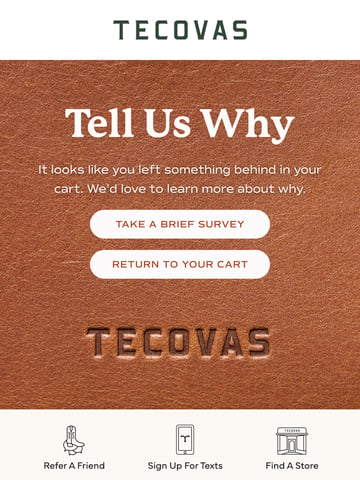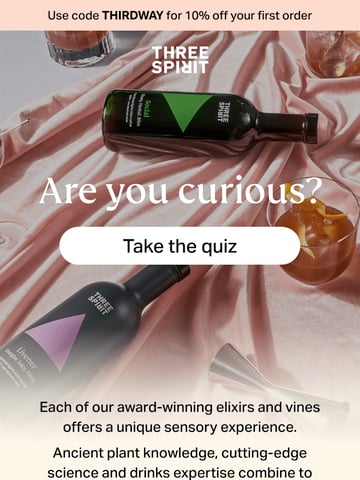
A survey email asks subscribers to share feedback, usually through a single rating, a short questionnaire, or a one-click poll embedded in the message. Brands send them after a purchase, support interaction, or event, when the experience is fresh and response rates run highest. The best ones name the time commitment up front, lead with the first question inline so clicking feels effortless, and explain how the answers will be used.

Survey emails ask instead of tell: feedback requests, NPS pulses, product research, and post-purchase reviews. They are the cheapest customer research available, and this hub collects the sends that actually get answered. If you came looking for feedback email examples, this is that collection: every send in the grid asks the reader for input and makes answering easy.
Response rates hinge on perceived effort, so the best examples here shrink the ask: 'one question', '2 minutes', a visible 1-to-10 scale where the first click IS the answer. Embedding the first question in the email itself, with each option as a link, reliably beats a bare 'take our survey' button.
Incentives help but honesty helps more: sends that explain why the feedback matters and what changed from the last round ('you asked, we fixed') build a feedback culture subscribers participate in repeatedly. Pair with re-engagement emails, where a survey is often the graceful last touch.
Ranked by real reader views on Email Love over the last 90 days.
Pulled verbatim from sends in this collection. Every line links to the actual email it opened.
What the sends in this collection actually do, measured from our own archive.
Subject stats from 35 curated emails in this collection.
Small asks, stated up front: 'one question' or '2 minutes' in the subject, the first question embedded in the email with tappable options, and a reason why the feedback matters. Effort transparency beats incentives for most audiences.
Close to the experience it asks about: a few days after delivery for products, immediately after support interactions, quarterly for NPS pulses. Distance from the moment collapses both response rate and answer quality.
For long surveys, yes (discount or draw); for one-question pulses, usually unnecessary and it can bias answers. The stronger long-term lever is closing the loop: showing subscribers what changed because of previous feedback.
Make each answer a tracked link styled as a button or scale, so the first click records the response and lands on a thank-you (or the follow-up questions). Starting the survey inside the inbox routinely doubles completion versus linking out.
Designing your survey email?
Design it in Figma and export production-ready HTML straight to your ESP with the Email Love plugin. Build it in Figma →